


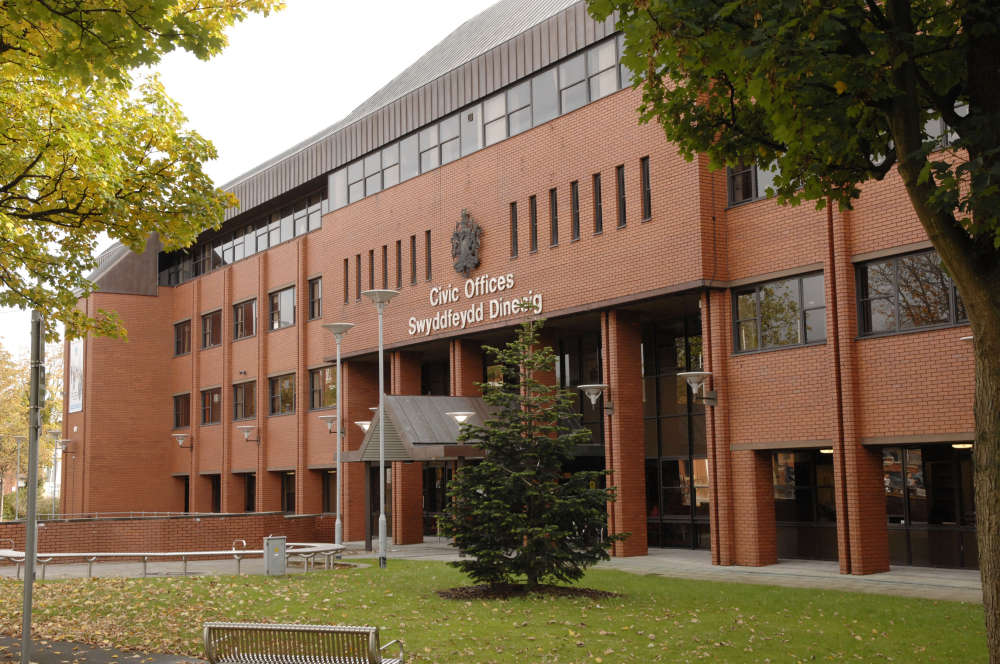
Carbon emissions in the Vale of Glamorgan increased by 6% last year, according to the latest council figures.
A report, due to be discussed by the cabinet on Tuesday, shows CO2 emissions rose in 2024-25, largely because of the supply chain.
It says any changes to spend, including the impact of inflation, therefore has a correlating impact to carbon emissions.
The total emissions for 2024-25 totalled 74.4 MT (megatonnes) of CO2 equivalent. But the report adds that in some areas it can be seen that progress is made and activity is being integrated as “business as usual”.
Other actions are yet to start, largely due to staffing resources or funding to support a new area of work.
Supply chain emissions accounted for 82.5% of the total carbon emissions in 2024-25 - the buildings and stationary assets activity accounts for 11.7% of the total carbon emissions reported for 2024-25.
With supply chain data excluded this equates to 67% of the total.
More than 500 electricity meters showed a 4% increase when compared with 2023-24 which can be attributed to increased emergency housing provision (fully electric site), increased Sustainable Communities for Learning (SCfL) schools (fully electrically heated), and one primary school retrofitted with an air source heat pump and now electrically heated.
An increase can also anecdotally be attributed to the significant investment in digital teaching across all schools, the report says.
More than140 gas meters showed a very slight decrease of 0.2% compared with 2023-24.
The report says reducing consumption of mains gas is key to decarbonising buildings with its usage remaining dependent on weather conditions, controls, and the behaviour of building users.
The air source heat pump retrofitted at Ysgol Bro Morgannwg in Barry heated the building for its first winter and the primary school building’s gas meter has been removed.
Whilst water accounts for a very small proportion of carbon emissions, there was a 2% increase in consumption. The report says the council continues to monitor and report on water leaks for remedial works.
Streetlighting saw a 9% increase in carbon emissions due to increased road network coverage and a fault in the controls system during 2024-25.
Transport emissions associated with the council’s fleet and mobile equipment contributes 2.9% of the council’s total emissions and when supply chain data is excluded. This accounts for 17%.
By the end of March 2025, a total of 11% of the vehicle fleet were electric vehicles using charging infrastructure at the civic offices and Alps depot and this included two new electric kerbside recycling vehicles as part of a plan to transition to an all-electric vehicle fleet by 2030.
Transport emissions associated with business travel, home working, and staff commute contributes 2.7% of total corporate emissions and when supply chain data is excluded, which accounts for 15%.
During 2024-25, changes to help decarbonise include a scheme to encourage staff to cycle to work, some electric vehicle charging provision at the Alps and civic offices, and Teams Telephony allowing users to access their phone from anywhere.
The report says this has also streamlined the IT estate and allowed the council to decommission servers.
The council has continued to stabilise its VPN connection, introduced a number of tools that reduce unnecessary trips to the office, and tools that monitor device health allowing colleagues to keep a solid and safe connection to the office.
Emission factors have been removed from reporting for many waste streams so emissions associated with waste collection are largely represented by the transport activity fleet data and how vehicles collect waste.
In 2024-25, waste accounted for 0.1% of total carbon emissions and just 1% when supply chain is excluded.
The report says because of the change in reporting. calculations it is not useful to compare carbon emissions with previous years therefore focus is now on the waste stream trends which have seen a 202% increase in reuse, a 7.17% increase in total dry recycling, a 4.37% increase in municipal waste, a 1.17% overall performance increase, and a 12.6% decrease in total waste used to recover heat and power.
The Welsh Government is also tracking the public sector’s progress in deploying renewable energy and how land management may contribute to carbon emissions.
In terms of renewable energy in the Vale, solar panels provided 6% of the electricity consumed by the estate in 2024-25.
This is an increase on previous years as it continues to expand with new solar panel arrays having arrived at Ty Dewi Sant, Ty Dyfan, St Joseph’s Primary School, Cogan Leisure Centre in Penarth, Llangan Primary School, and Flying Start in Skomer Road.
The cabinet report says the task of reducing our carbon emissions remains significant and there are considerable staff resourcing and funding pressures which will limit the pace of change, but the council uses the resources available to deliver as many of the actions within the carbon management plan 2024-30 period as it can.
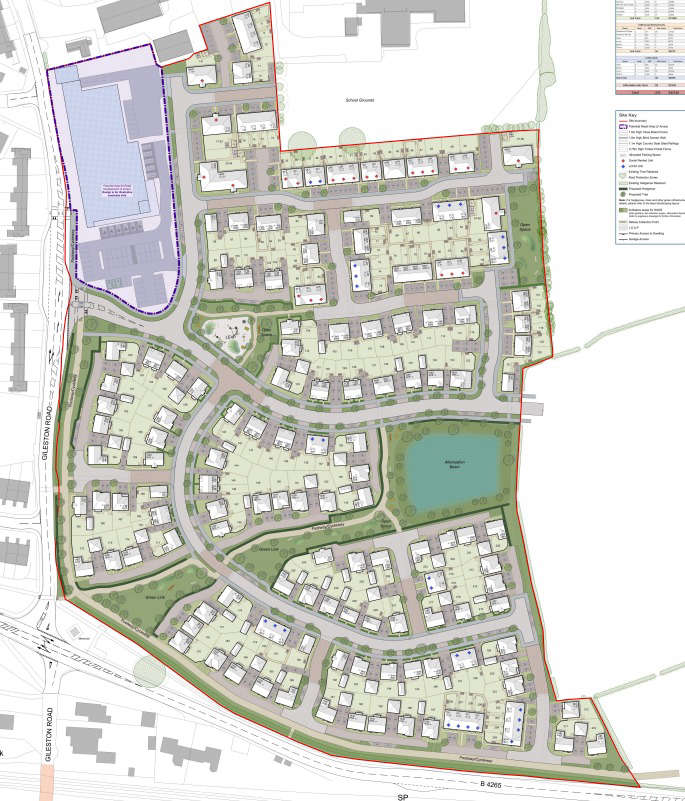 Plans are under consideration to build over 200 houses in a sleepy Welsh village
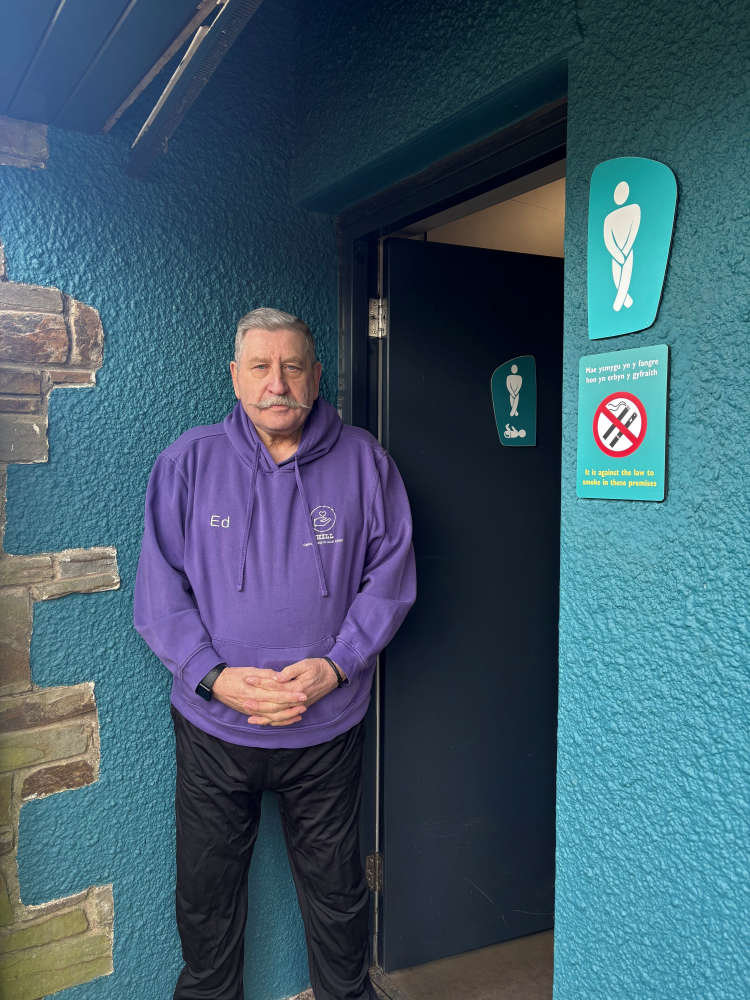 Sanitary disposal bins introduced in men's public toilets following "Bins for Boys" campaign
 Officers called to Dinas Powys Woods after young person enters the river
 Three Reform candidates quit in Pen-y-Bont Bro Morgannwg constituency
 Six events taking place in the Vale of Glamorgan this weekend
 Vale Council signs off placemaking plan for Barry
 Plans filed to use Blackweir Fields for a series of live events this summer
 Plans filled for controversial housing development in Cowbridge
 Cardiff Council pledges to work with new Welsh Government to tackle trouble-plagued hospital
 Two local candidates stand down after revelations
 RNLI issues Sully Island safety advice after first call out of the year to the Island
 Morio Lounge on course to open at Nell's Point in May
 Vale Council appoints specialist contractors to carry out road improvements
 Three men jailed for their roles running a drugs line which supplied cocaine in Barry
 Police appeal for witnesses after fatal Penarth Road collision
 New Beach and country park facilities opened following major investement
 RNLI centre at Barry Island welcomes lifeguards back to Whitmore Bay
 Severn tidal lagoons progress