


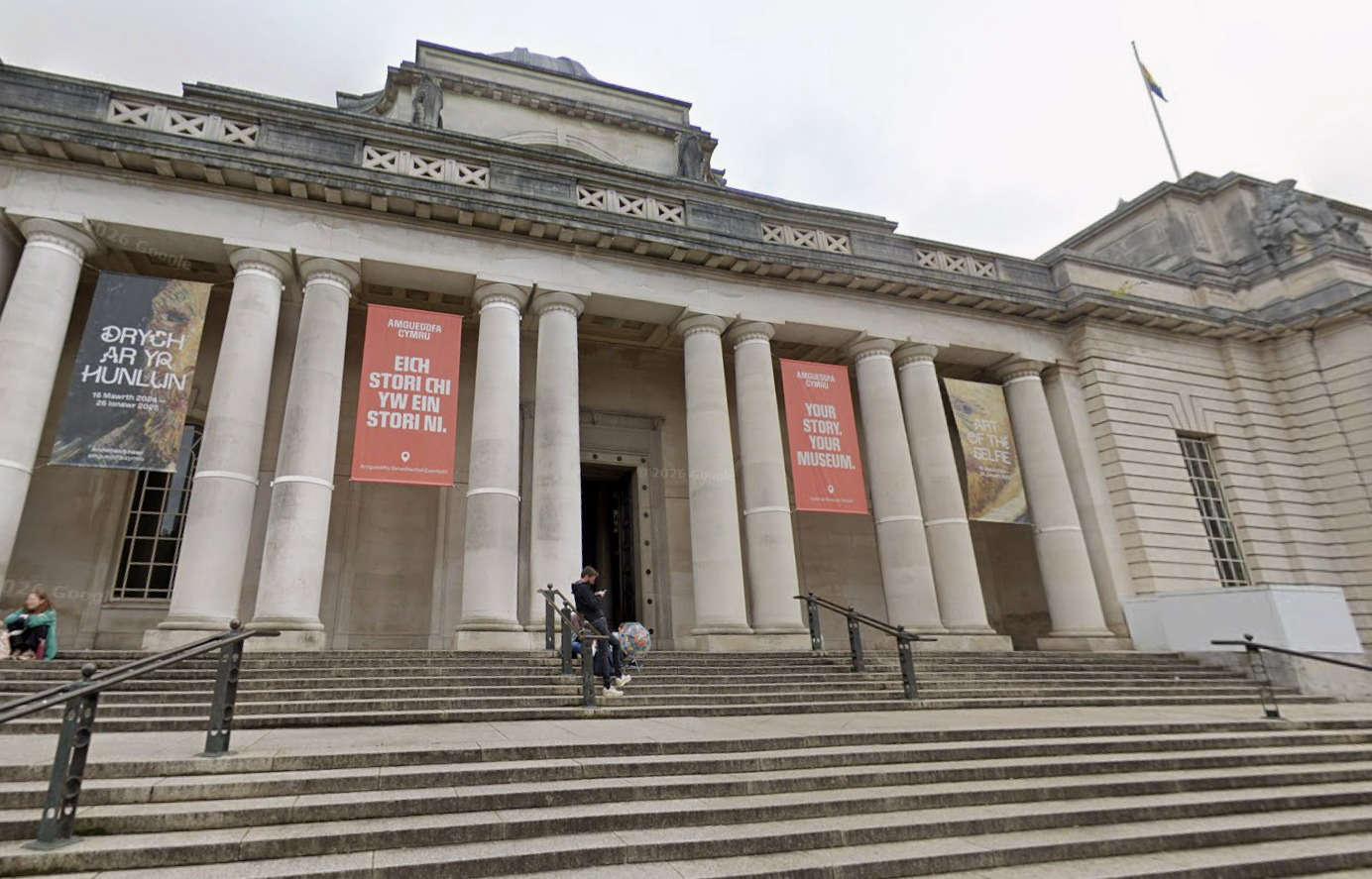
The go-ahead has been given to relocate a collection at a major Welsh museum to return a “significant room” to the “public realm of the museum”.
Plans have been approved to relocate the National Museum and Gallery of Wales’ herbarium.
The works also include the removal of “modern” partitions in the east wing and the removal of a “modern” mezzanine in the south-eastern gallery.
The herbarium is being moved next to the botany offices in the museum’s east wing.
According to the museum’s website, the herbarium is a “collection of preserved (mostly dried) plant specimens that have been stored appropriately and arranged systematically to ensure quick access for curators, artists, students, researchers, and the general public for scientific research and education”.
It continues: “A herbarium is the only place to be if you want to study the world’s plants in one place or even ‘just’ all plants that live across Wales.”
The collection is currently in the building’s south wing gallery and the move will “restore the original gallery for public use” and provide a “more functional, environmentally-controlled space for collections care and digitisation”.
Planning documents read: “By removing the collection and associated support spaces from this gallery it allows for the removal of these modern interventions and a restoration of the space.”
It continues: “The intention would be to return this significant room into the public realm of the museum to enhance visitor experience and understanding of the building.”
According to the applications slow alterations to the building’s internal layout, such as the subdivision of the east wing to create the botany offices and the interventions in the southeast galley to house the current herbarium, have introduced “complexity” to an “originally clear sequence of spaces”.
Moving the herbarium re-opens those spaces, which increases “both its social and evidential value” by “returning the space to the public realm and returning a key gallery to original form”.
The Cardiff herbarium contains a variety of plant specimens such as vascular plants (such as flowering plants, conifers, ferns, and club-mosses), bryophytes (mosses, liverworts, and hornworts), lichens, fungi, slime moulds, and algae.
There are also botanical illustrations, models. and collections relating to the use of plants by people such as spices, herbs, crops, wood, and fibres.
Specimens are also kept of diseased plants.
 Spitfire Flights Mark 90th Anniversary of First Flight
 Penarth RNLI crew members join RNLI’s Women in Search and Rescue Training Week
 Llantwt Major chosen to take part in one-week Town Boost
 Paul Chuckle MBE to visit Penarth on "Thank You Tour" for Marie Curie
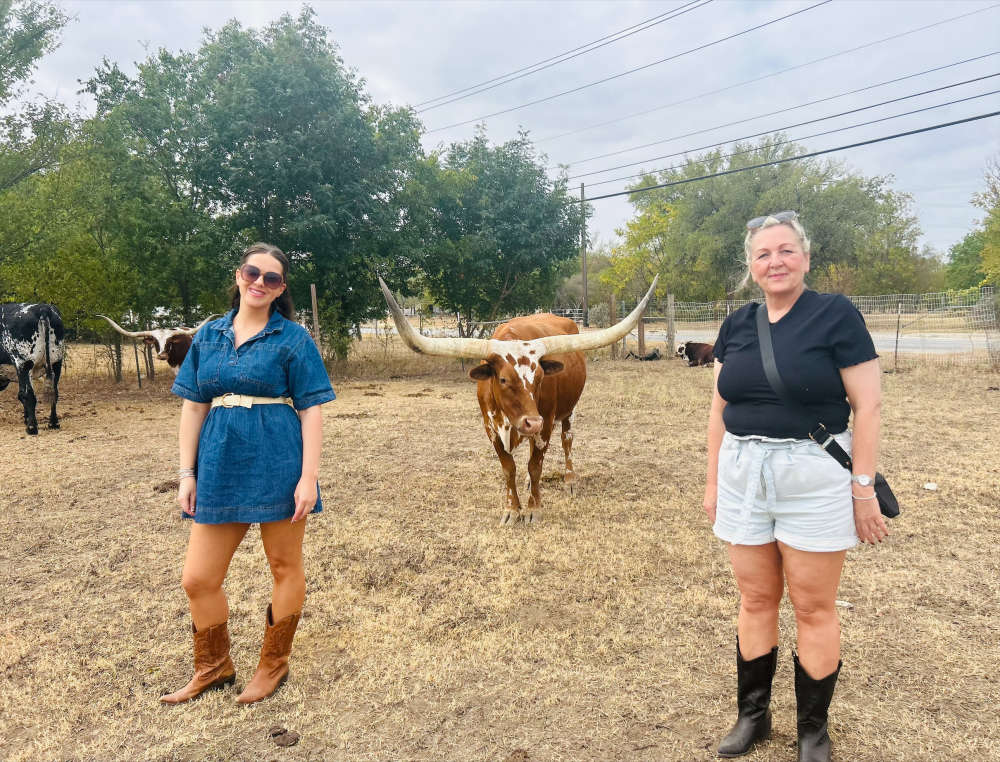 Vale Youth Service secures International Texas Exchange for young people
 Work starts on redevelopment of St Richard Gwyn High School
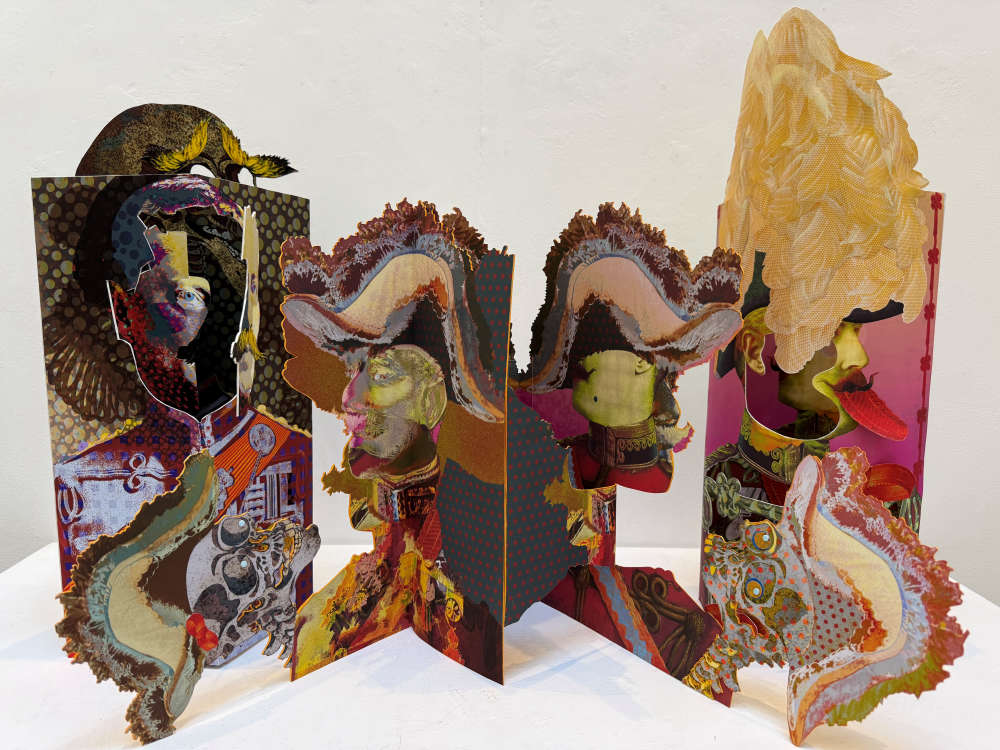 Art Gallery in Barry celebrates International Women's Day 2026
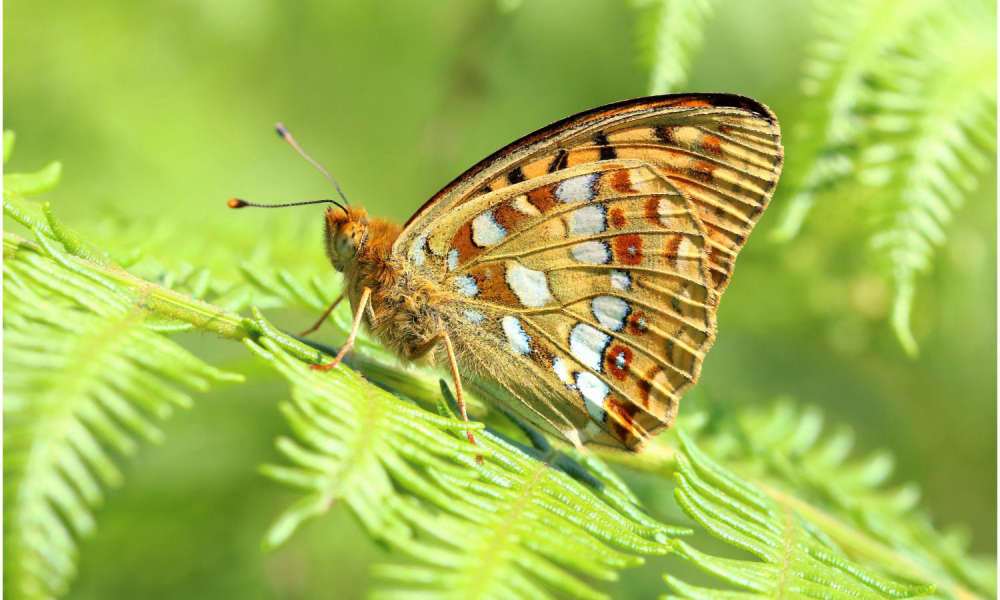 Increase in the number of rare butterfly eggs reported in areas of South Wales
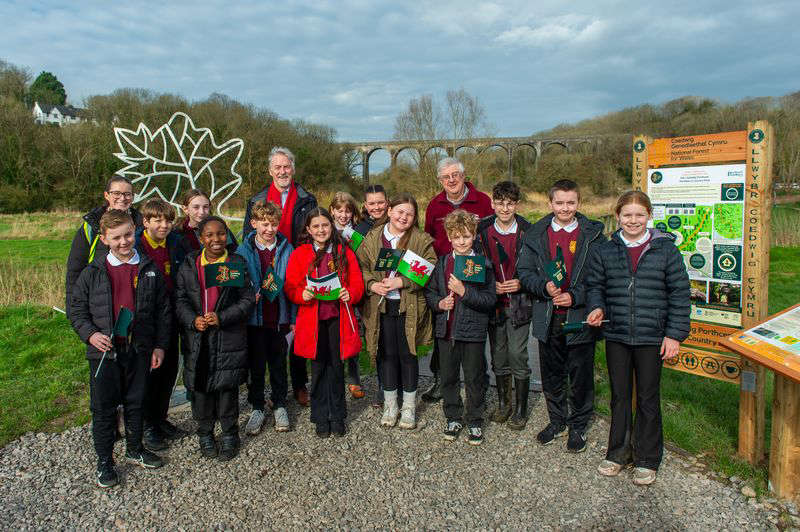 First stretch of National Forest for Wales launched at Porthkerry Country Park
 Cardiff ex-servicewoman backs charity campaign
 Vale Foodbank usage up by more than 26%
 Bro Radio’s Community Awards returns with new headline sponsor
 Barry Rugby Football Club has lodged plans for extensions to its clubhouse and other works
 Council Tax in the Vale set to increase by 6.5%
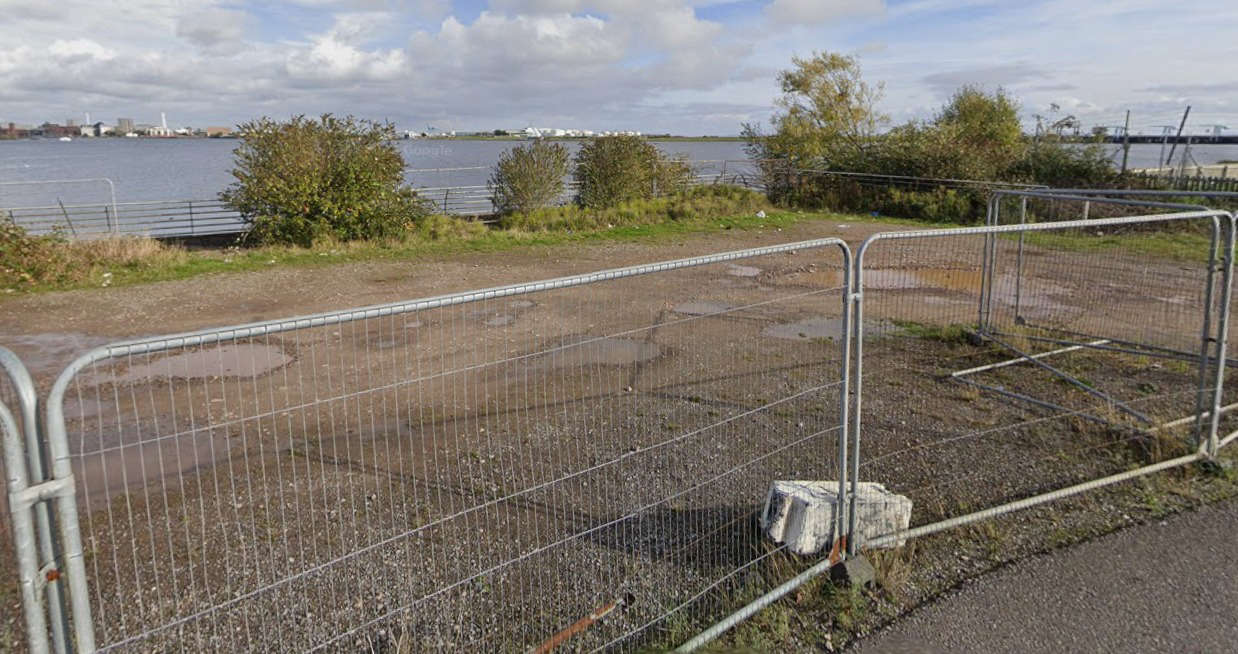 Plans scrapped for new boat depot on Cardiff Bay peninsula
 Llantwit Major hosts week-long Peace Festival
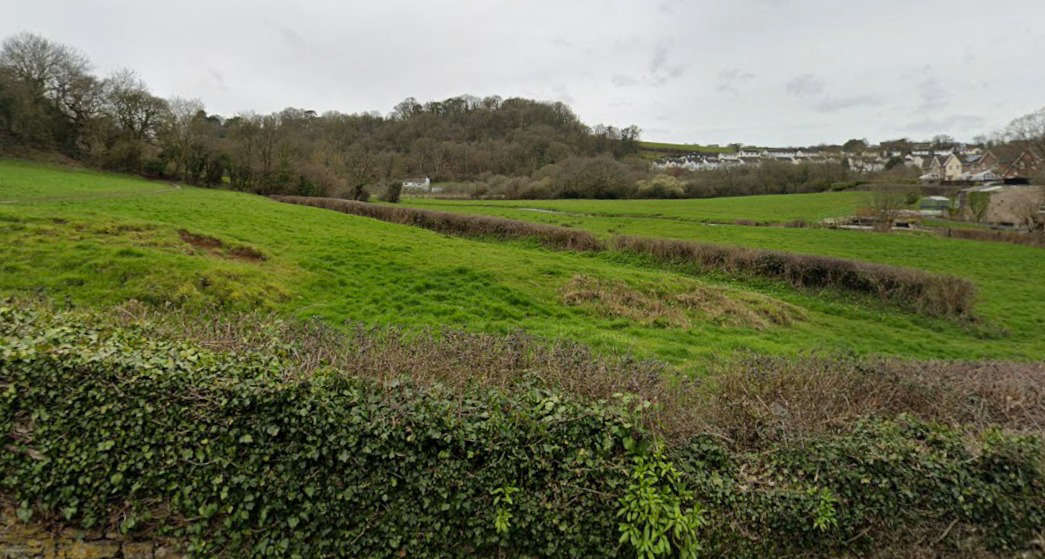 Local residents in Cowbridge have banded together to buy a beloved piece of land
 Welsh legend Max Boyce and record-breaking footballer Jess Fishlock honoured at St David Awards