

Welsh rates of income tax will remain unchanged, with taxpayers continuing to pay the same rates as in England and Northern Ireland.
The Welsh Government has unveiled its spending plans for next year with an additional £1.5bn allocated to public services, including an extra £610m for health and social care.
Mark Drakeford announced all government departments will receive increases in day-to-day revenue and longer-term capital funding, marking a departure from last year’s cuts.
Wales’ finance secretary described the £26bn draft budget as offering an opportunity to rebuild and reinvigorate public services after 14 difficult years.
He said: “This is a budget for a brighter future, delivering an extra £1.5bn for our public services and priorities, helping to put Wales firmly back on the path of growth….
“This is in stark contrast to the last couple of years when we have been forced to make some very difficult and painful decisions.”
‘Damage’
The ex-first minister added: “This is a good budget for Wales. But it will take time to reverse the damage inflicted on Wales over 14 years of neglect from previous UK administrations.”
The draft budget includes an extra £610m for health and social services, £186m to improve rail services, including the core valleys lines, and £81m to build more social housing for rent.
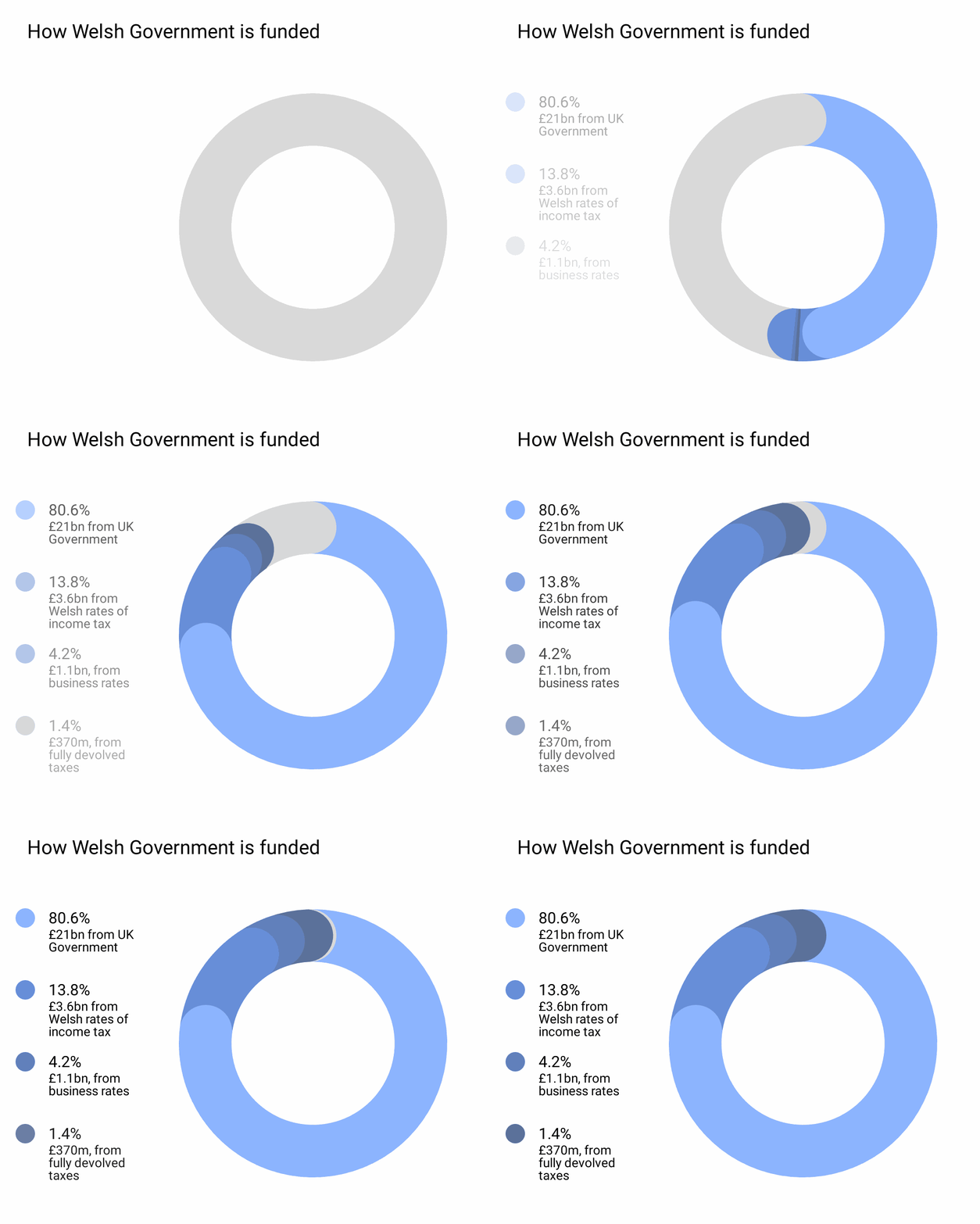
Councils will receive a 4.3% increase in the local government settlement.
The increases by department are as follows:
- Health: 3.8% revenue, 30% capital
- Housing and local government: 5.4% revenue, 11.2% capital
- Education: 4.9% revenue, 8.1% capital
- Transport: 12% revenue, 10.7% capital
- Climate change and rural affairs: 6.6% revenue, 31% capital
- Economy, energy and planning: 4.3% revenue, 59.1% capital
- Social justice: 4.7% revenue, 23% capital
- Central services and administration: 7.4% revenue, 47% capital
Welsh rates of income tax will remain unchanged, with taxpayers continuing to pay the same rates as in England and Northern Ireland.
However, the Welsh Government announced that higher residential rates of land transaction tax for second homes – Wales’ equivalent of stamp duty – will increase by 1%, raising an extra £7m.
The standard rate of landfill disposal tax will also rise to reduce waste and boost recycling.
Will the budget pass?
The big question is how the Welsh Government will pass its budget, with parliamentary arithmetic in the Senedd on a knife-edge and Labour one seat short of a majority.
Eluned Morgan, who has warned Wales could lose out on £1bn if opposition parties do not support the spending plans, will need to cut a deal with at least one opposition member.
Previous budgets have been passed with the help of Plaid Cymru, Liberal Democrat and independent Senedd members, with a deal with the Conservatives seeming unlikely.
Plaid Cymru backed the Welsh Government’s budget in recent years in return for 46 commitments but the cooperation deal between the two collapsed in October 2023.
The first minister could also reach out to Jane Dodds, the Lib Dems’ leader in Wales and the party’s sole Senedd member, or Rhys ab Owen, who sits as an independent.
What happens if it doesn’t pass?
Senedd members need to agree a motion on Welsh rates of income tax (Writ), which are forecast to raise about £3.3bn in 2025/26, before the budget can be passed.
Writ defaults to zero if a motion cannot be passed, meaning basic, higher and additional rates would decrease by 10p in the £1 for Welsh taxpayers.
If the annual budget motion is not agreed by the start of the financial year in April, the budget of the Welsh Government would revert to 75% of the previous year’s.
This would also affect directly funded bodies such as the Senedd, Public Services Ombudsman, Wales Audit Office and the Electoral Commission.
If a motion is still not agreed by the end of July, the budget rises to 95%.
What’s next?
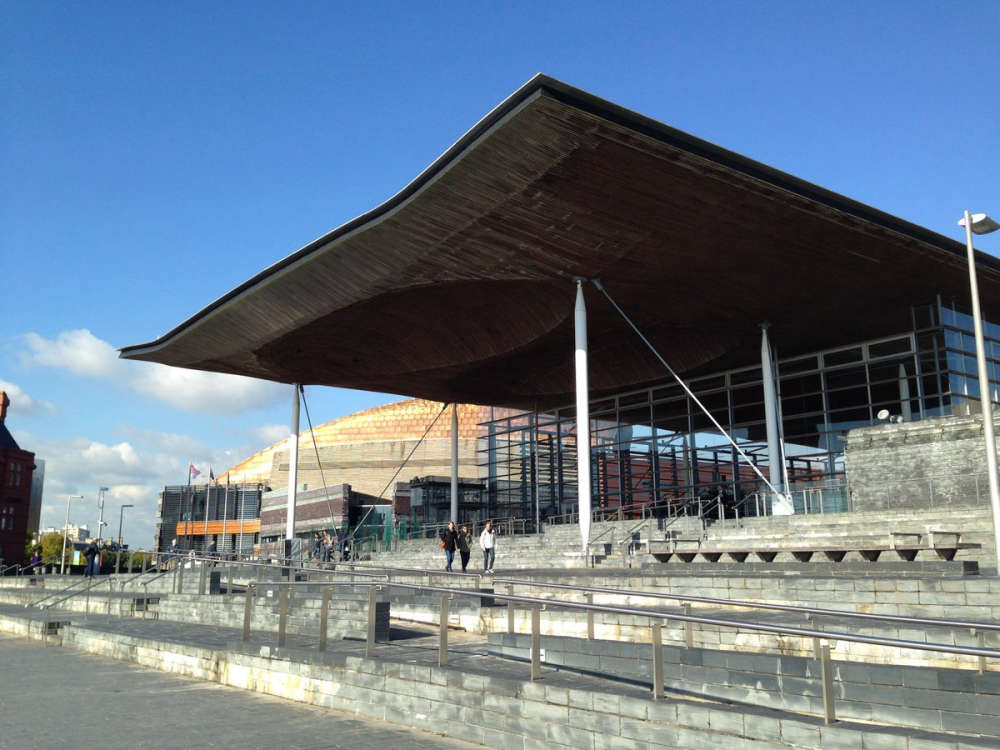
Mark Drakeford will lead a debate on the draft budget in the debating chamber or Siambr which will be broadcast live on Senedd.TV from about 2.50pm today.
He will also appear before the Welsh Parliament’s finance committee on Thursday morning to face questions about the spending plans for the 12 months from April.
Senedd members will then scrutinise the draft budget through December and January.
Committees will take evidence from witnesses including the Office for Budget Responsibility, Institute for Fiscal Studies, Wales Fiscal Analysis, Bevan Foundation and Citizens’ Advice.
Based on this evidence, committees will publish scrutiny reports by February 3.
A further debate on the draft budget will be held the following day, with the final budget set to be published on February 25 and a crunch vote to follow on March 4.
Navigating this year’s budget process will be a key test for Wales’ new first minister, with the next Senedd election looming in less than 18 months in May 2026.
 Body discovered in woods in Penarth
 Three national award nominations for Bro Radio
 Plans to restore historic Barry pond and boost local wildlife
 Barry exhibition captures the changing face of Wales’ historic chapels
 Senedd commission faces first questions in the Siambr following summer recess
 Welsh Greens Leader Anthony Slaughter Reveals Cancer Surgery During Senedd Recess
 Principality Stadium lands fight of the decade Joshua v Fury
 Free Bleed Control Kits Offered to Community Groups Across the Vale of Glamorgan
 Boverton fish and chip shop named in top 40 in the United Kingdom
 Barry Beavers: The Swimming Club Giving Families Confidence, Community and Calm
 Record-breaking month as 15 new organisations join Glamorgan Voluntary Services
 Residents in Cardiff and Vale offered free access to nutrition and fitness app
 Heart Charity encourages Half Marathon runners to make heart health part of their preparation
 “More than just a sport”: Minister for culture and sport questioned on future of rugby in Wales
 Fraud Warning Issued Over Scam Calls Targeting Patients
 Councillors approve plans for over 300 new homes in Rhoose
 Penarth school project sparks Welsh language transformation
 South Wales and Gwent Police introduce new online portal for crime victims
 Penarth Pier Pavilion Cinema awarded £65,000 for major equipment upgrade
 New Cafe could be coming to High Street, should plans be approved