

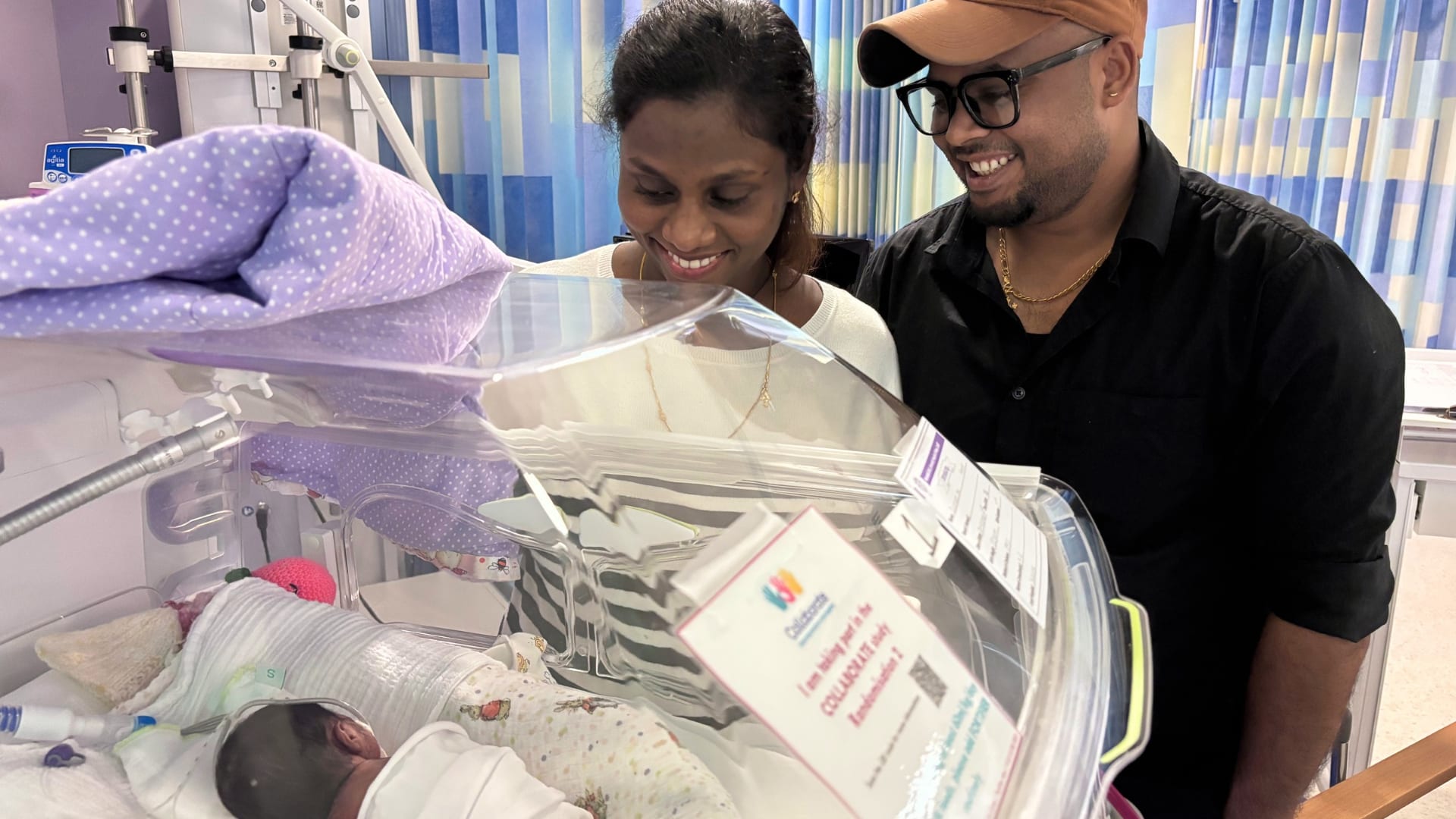
Glenna Alphonse and John Poul Josh are celebrating the joyful arrival of four beautiful babies born earlier this month at the University Hospital of Wales following a complex pregnancy.
The couple are now the proud parents of two girls and two boys, born at 27 weeks and weighing between 745g (1 lb 10.3 oz) and 1.18kg (2 lb 9.6 oz).
Quadruplet pregnancies are extremely rare with on average around 3-5 sets born in the UK each year. It took a team of more than 30 clinicians, calling themselves the "Quad Squad", to deliver the babies at the University Hospital of Wales in Cardiff.
The babies have each been given names beginning with N. Glenna explained: "The common letter in Glenna and John is N, so we went with N names for the babies."
They first discovered they were expecting quadruplets during a scan at the Princess of Wales Hospital in Bridgend. Glenna said: "At first, I argued with them, saying, 'It's not quadruplets.' But they took the scan a couple of times and called in experienced colleagues, and it was true. It gave us a big shock."
Because of the complexity of the pregnancy, Glenna was referred to Dr Bryan Beattie, Lead Consultant for Fetal Medicine in Wales, and to the Specialist Fetal Medicine Team at the University Hospital of Wales.
"At first we were scared," said John Poul. "But we met Dr Beattie and he gave us very good support. He explained that the team would give us good care and told us not to worry about anything. He arranged counselling for us and that was very helpful."
At a routine scan at 22 weeks, the pregnancy took an unexpected turn. "We were planning a baby shower and gender-reveal party on the Sunday," said Glenna. "But on the Thursday, at 22 weeks, we went for a regular scan. It was found that the cervix was close to opening. We had to cancel everything."
Glenna was admitted to the University Hospital of Wales as the specialist team worked to give her babies as much time as possible before they were born. The expectant parents were supported by Neonatal Consultants Dr Jayne Sage and Dr Nitin Goel to understand the implications of the babies being delivered at such an early stage.
To help reduce the risk of a premature cervical opening and with the aim of prolonging the pregnancy, Consultant Obstetrician Dr Henry Cole was able to insert a cervical stitch, known as a cerclage. Glenna then spent five weeks in hospital with regular reviews.
Dr Beattie said: "Mum was a brilliant part of the team. She was incredibly patient. She was very, very uncomfortable and from her point of view it would have been nice to have delivered the babies long before. But she just put up with everything that we suggested in the best interest of the babies."
The Neonatal team carefully prepared for two different situations: an urgent delivery due to complications or labour, or elective delivery by section. Neonatal Consultants Dr Jayne Sage and Dr Angela Hayward as well as the Senior Nurse for Neonatal Intensive Care Unit (NICU) Miss Rebecca Pockett were involved in planning every step of the way from supporting the babies at birth to providing care afterwards.
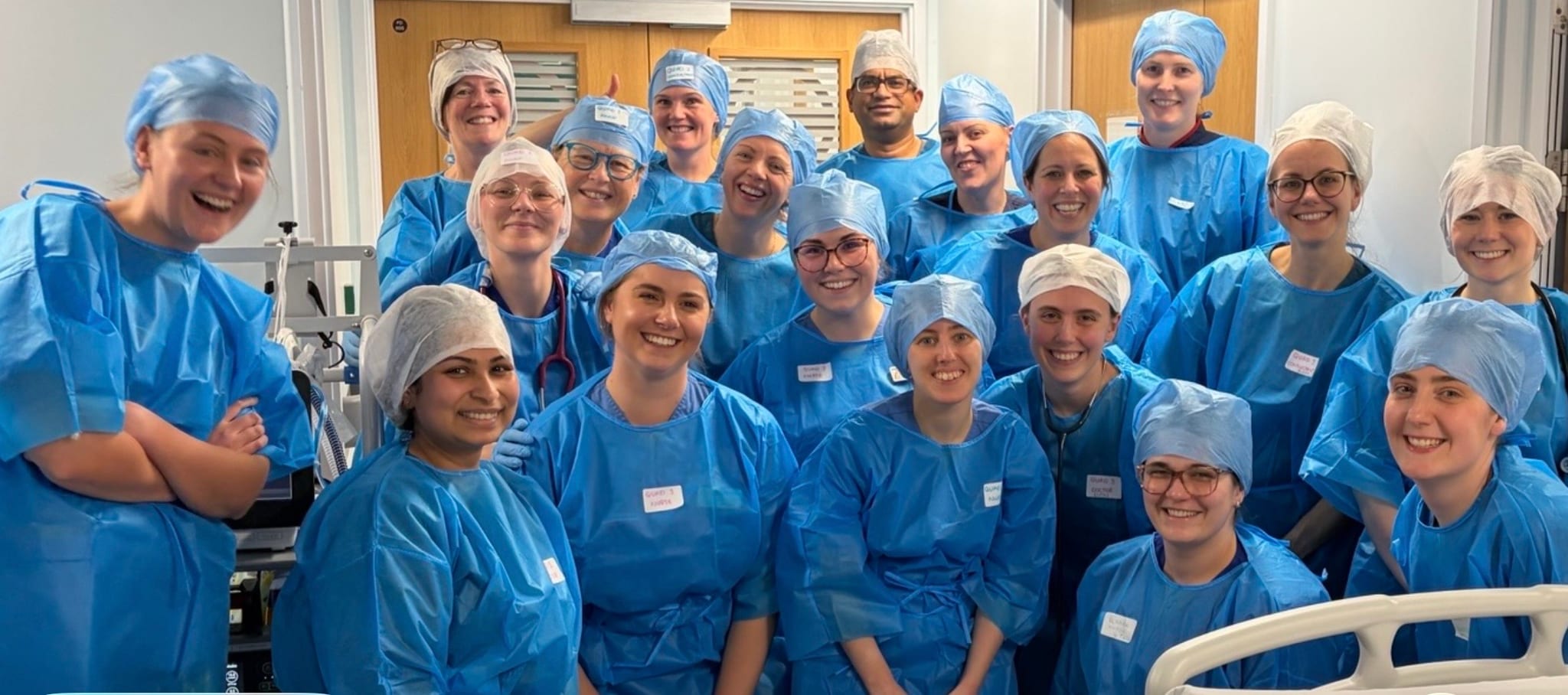
A theatre was identified and four sets of equipment were prepared with space for each baby when they were born. A special backup rota of medical and nursing staff was also created to call in people for additional help in case delivery proceeded out of hours in an urgent situation. When Glenna went into labour spontaneously at 27 weeks, the team's preparations were put into action.
Consultant Neonatologist Dr Rachel Hayward said: "It was like a military operation. A team of five neonatal staff were allocated to each baby, in addition to the theatre team plus NICU staff looking after the rest of the neonatal unit and attending other deliveries."
Consultant Neonatologist Dr Nitin Goel said colleagues rallied around to make sure everything was ready: "A lot of people stayed beyond their shift that particular evening because there was so much to do. Some of the staff came from home as well to actually support us for a few extra hours."
For Glenna and John Poul, seeing their four babies for the first time made everything they had been through worthwhile. Glenna said: "I had been struggling mentally, but after seeing my babies' faces the struggle was gone. It was totally, fully worth it." John Poul added: "Everything was gone. There was only happiness."
He paid tribute to the teams who had cared for his family: "All the team, the staff, midwives, nurses, doctors, are all very kind. They gave 200% for us. They gave their best, more than their best."
The babies are continuing to receive specialist neonatal care, where they are being supported to feed and grow. They are now being transferred from the Neonatal Intensive Care Unit in Cardiff to Singleton Hospital in Swansea, bringing them closer to the family home.
Dr Beattie said: "This case demonstrates the very best of specialist Fetal medicine care, advanced ultrasound technology, highly skilled sonographers, dedicated specialist midwives and neonatal nurses, experienced obstetric and neonatal consultants and residents, close collaboration across specialties and careful, individualised decision-making. Above all, it shows what can be achieved when specialists work together with a shared determination to give every baby the best possible start in life."
 Transport for Wales to run extra overnight services for Fury vs Joshua Fight
 Tributes paid following death of long-serving Penarth councillor Anthony Ernest
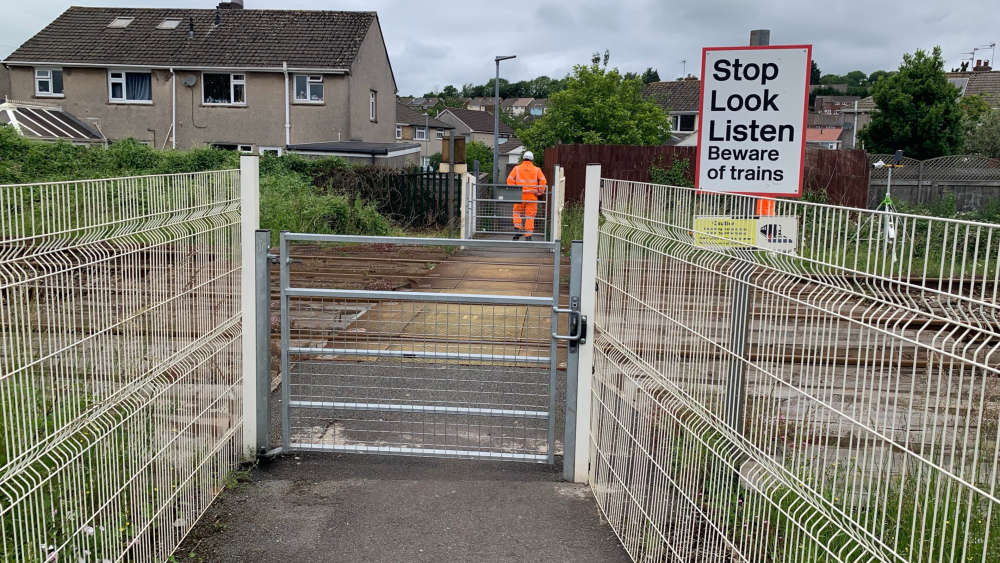 Network Rail to seek permanent closure of Brookside level crossing in Dinas Powys
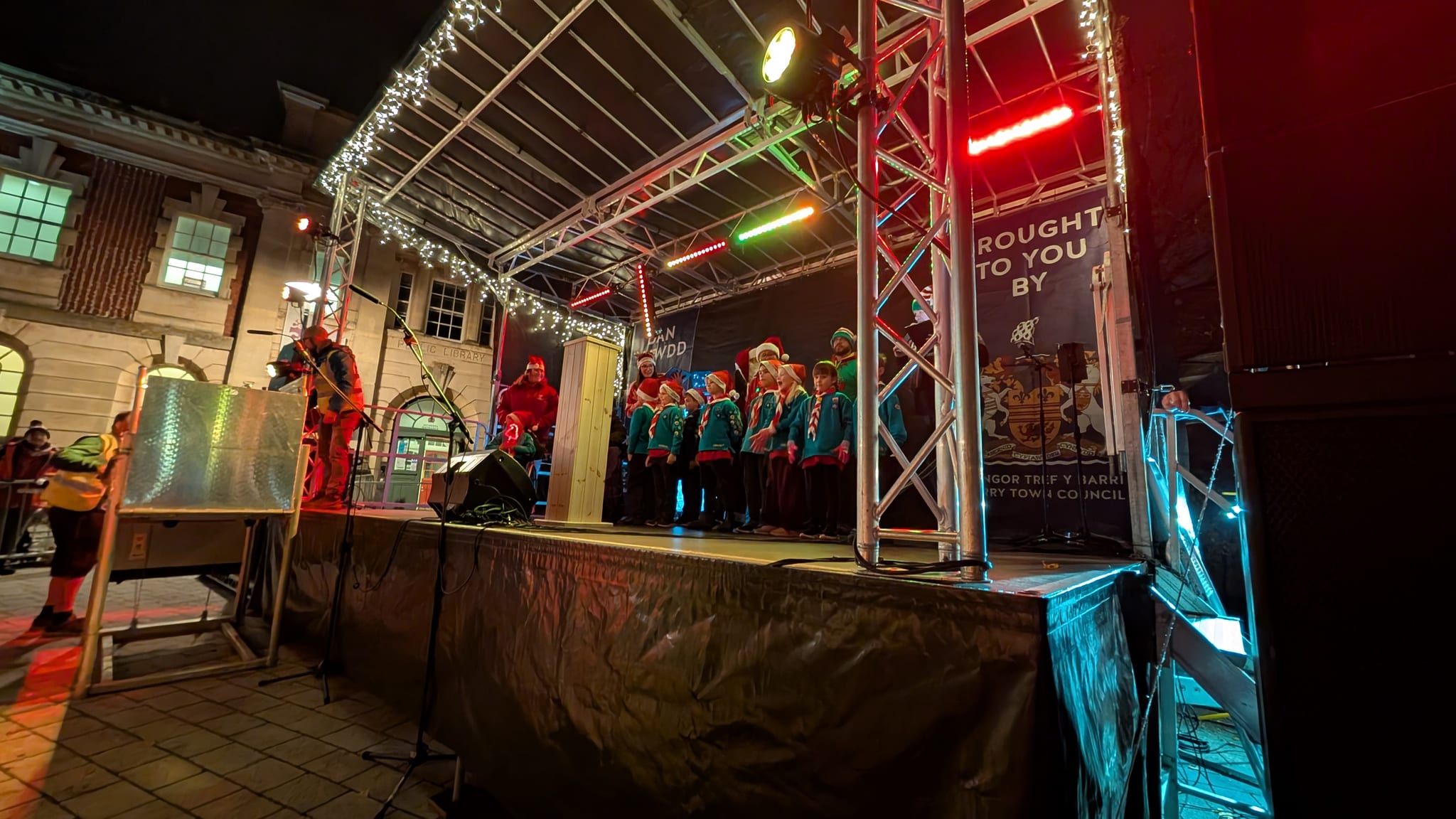 PCSO says ‘going home’ is his favourite thing about Barry during Christmas event
 Wales & West Utilities urges households to protect their homes to keep families safe this winter
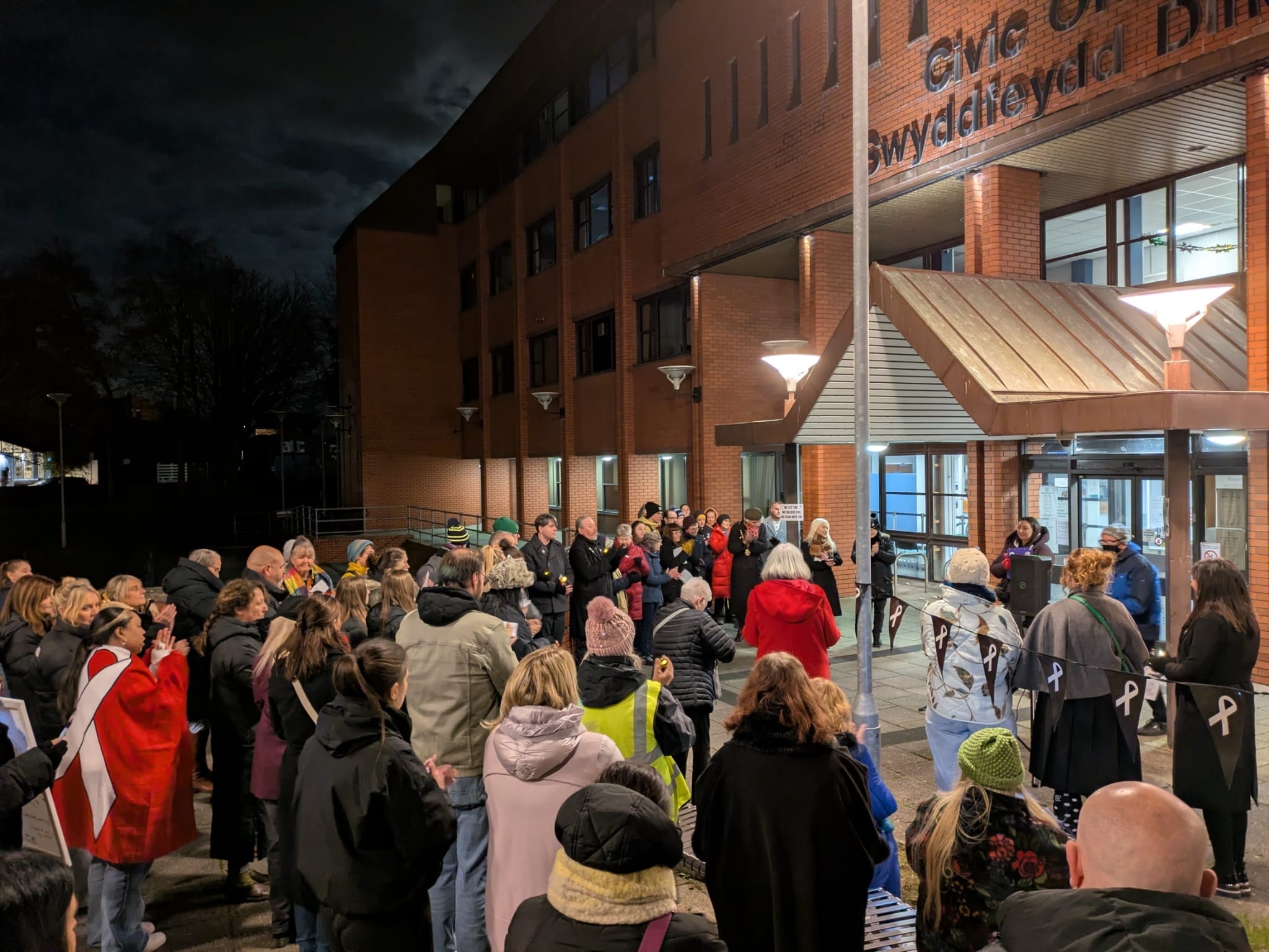 Record turnout at Vale DAS White Ribbon vigil sends powerful message on violence against women
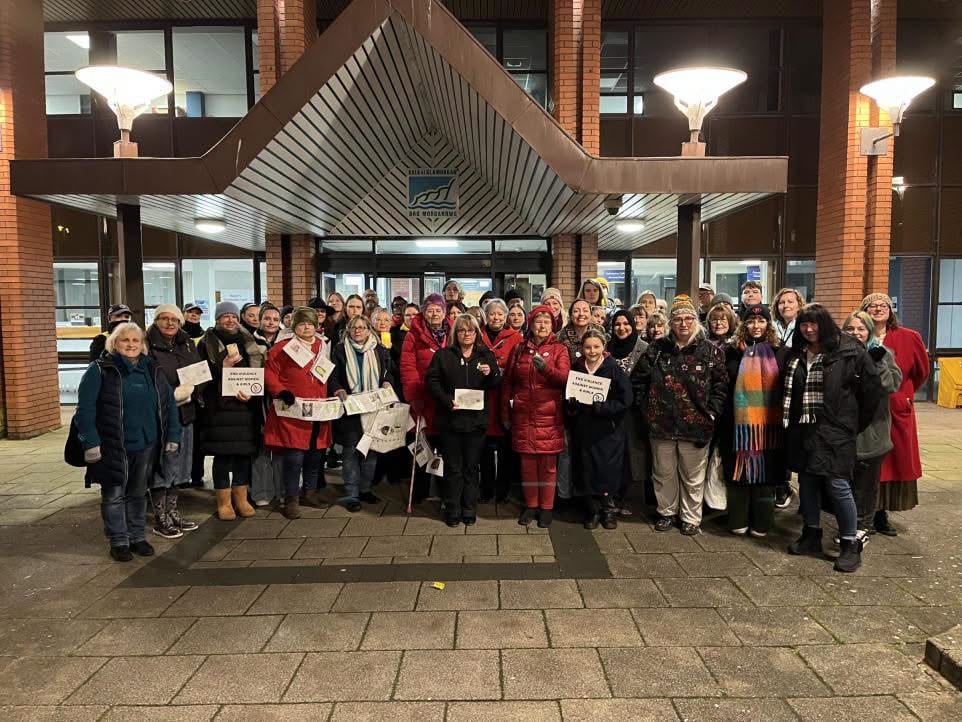 Candlelight vigil to mark White Ribbon Day 2026
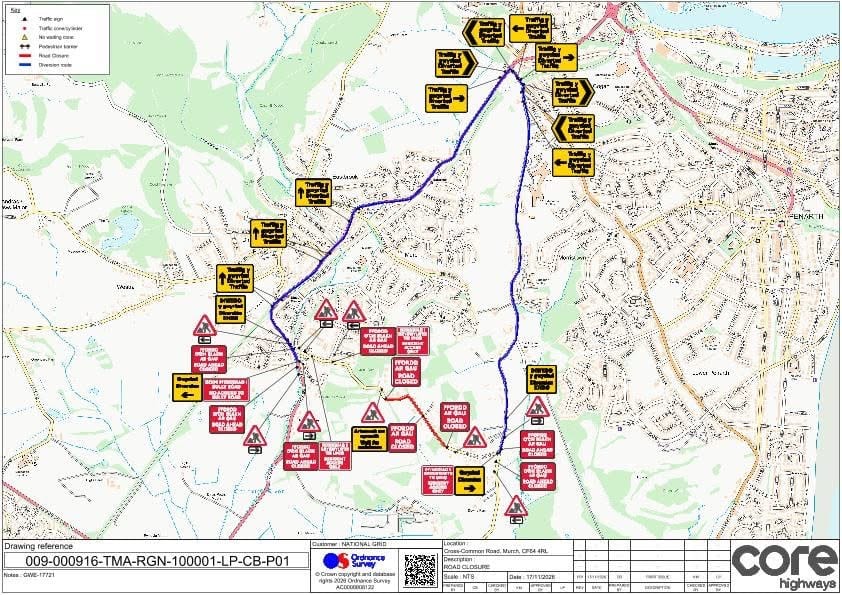 Temporary road closure in Dinas Powys
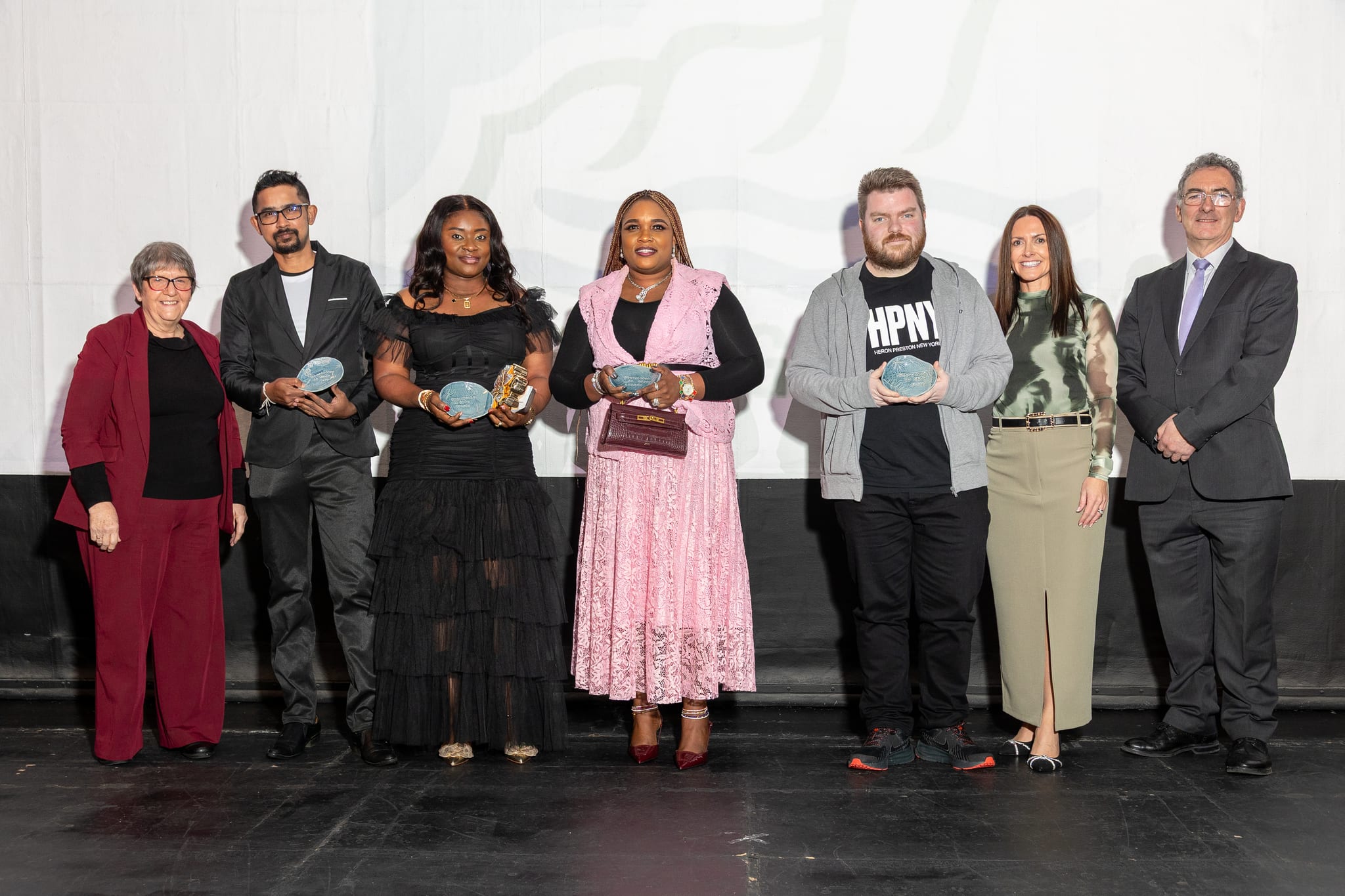 Vale Care Staff Celebrated at Regional Awards
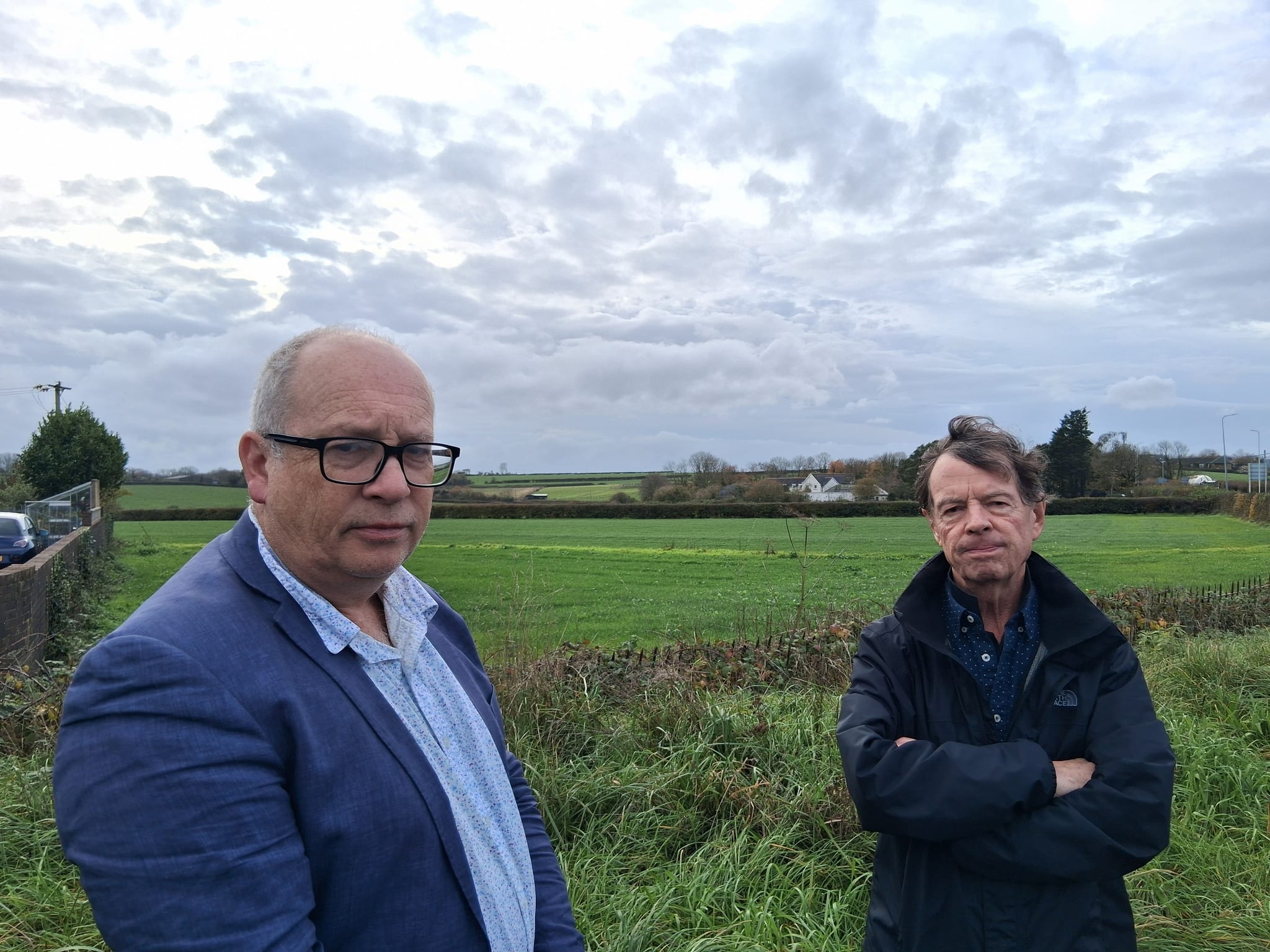 Weycock Cross Housing Plans move to the next stage
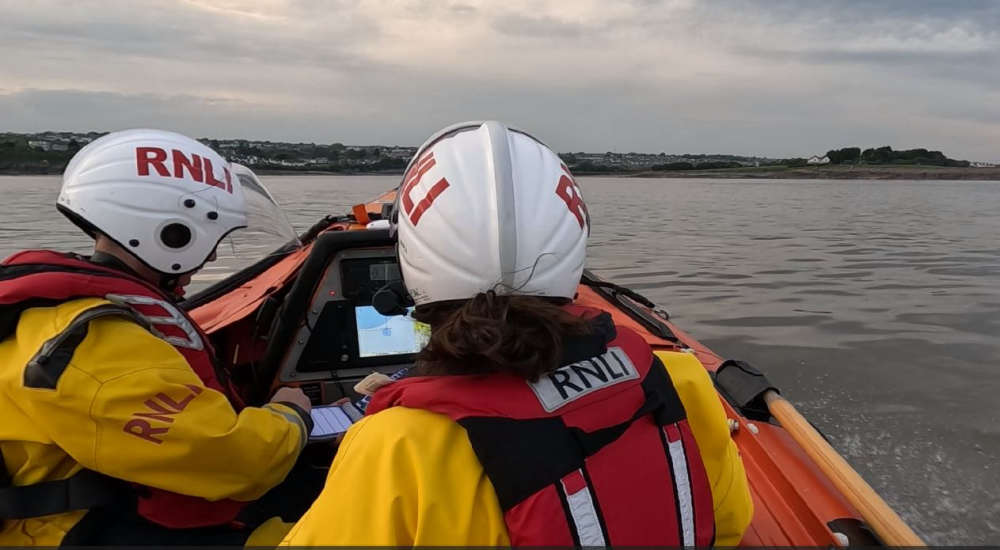 Three Rescued After Boat Breaks Down Off Cold Knap
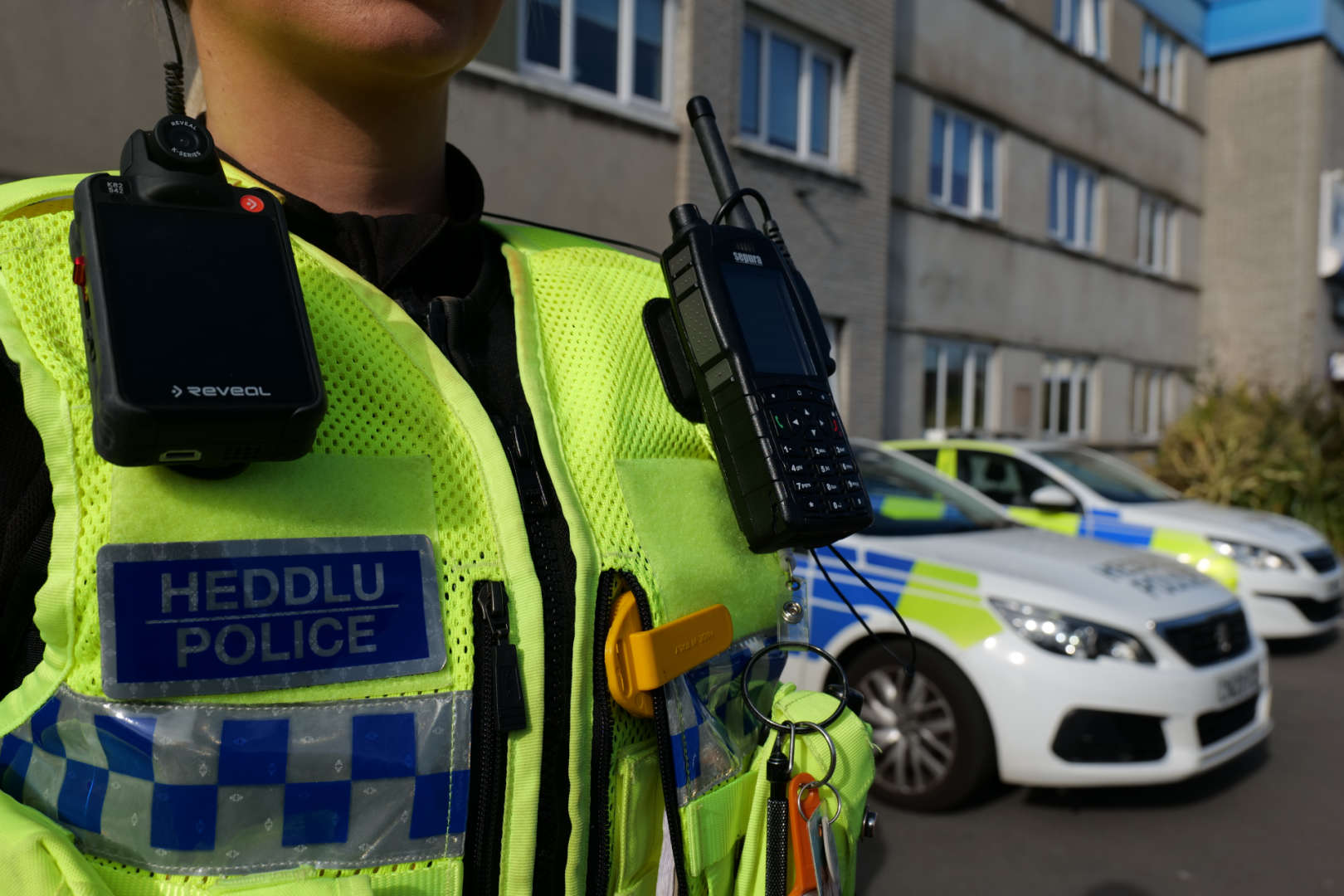 Two Men Arrested Following Cash Machine Theft in Cardiff
 Vale Council to begin EV charging trial for residents without driveways
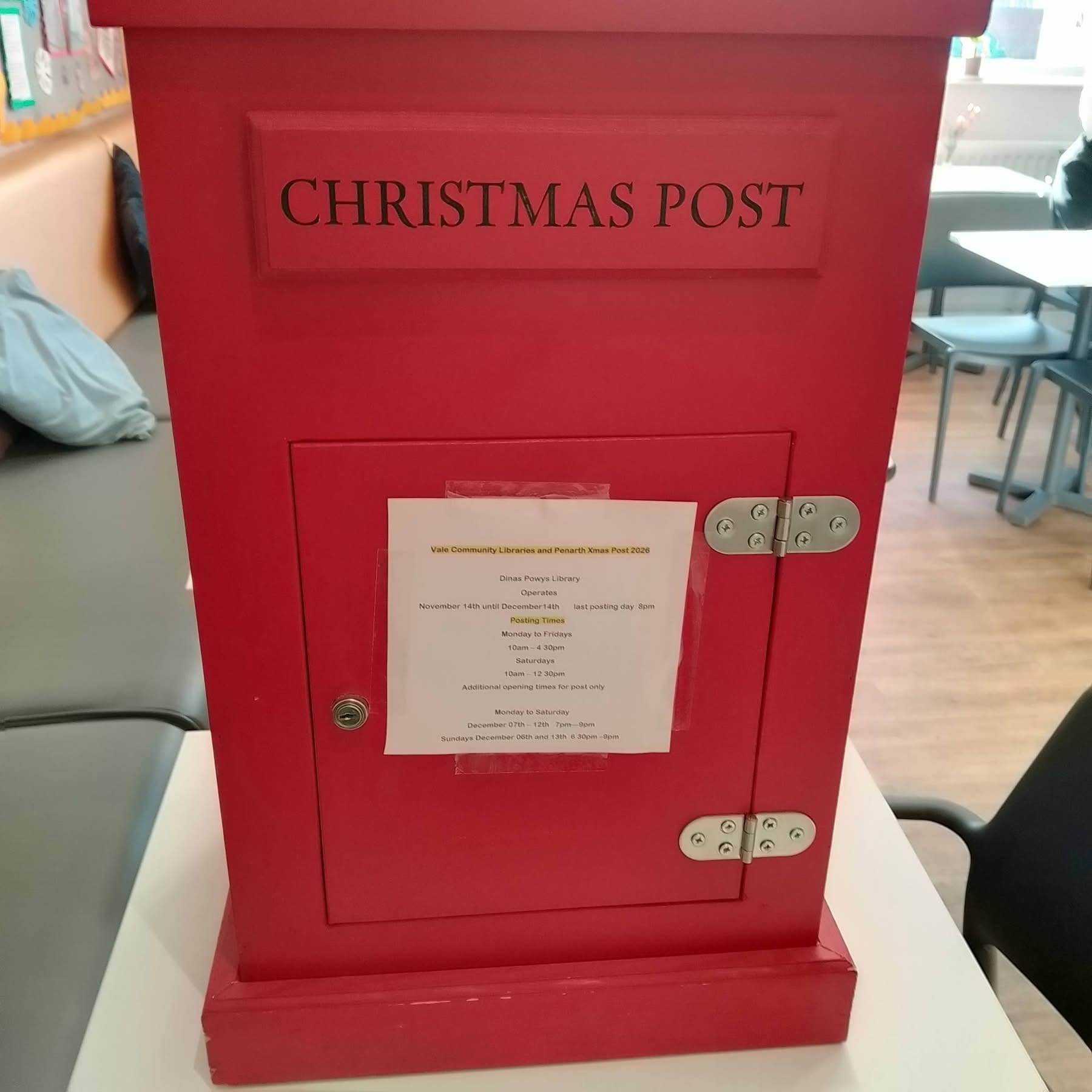 The Dinas Powys annual Christmas Card postal service returns
 Network Rail reveals Britain’s top ten most-bashed bridges
 Temporary closure of the Barrage
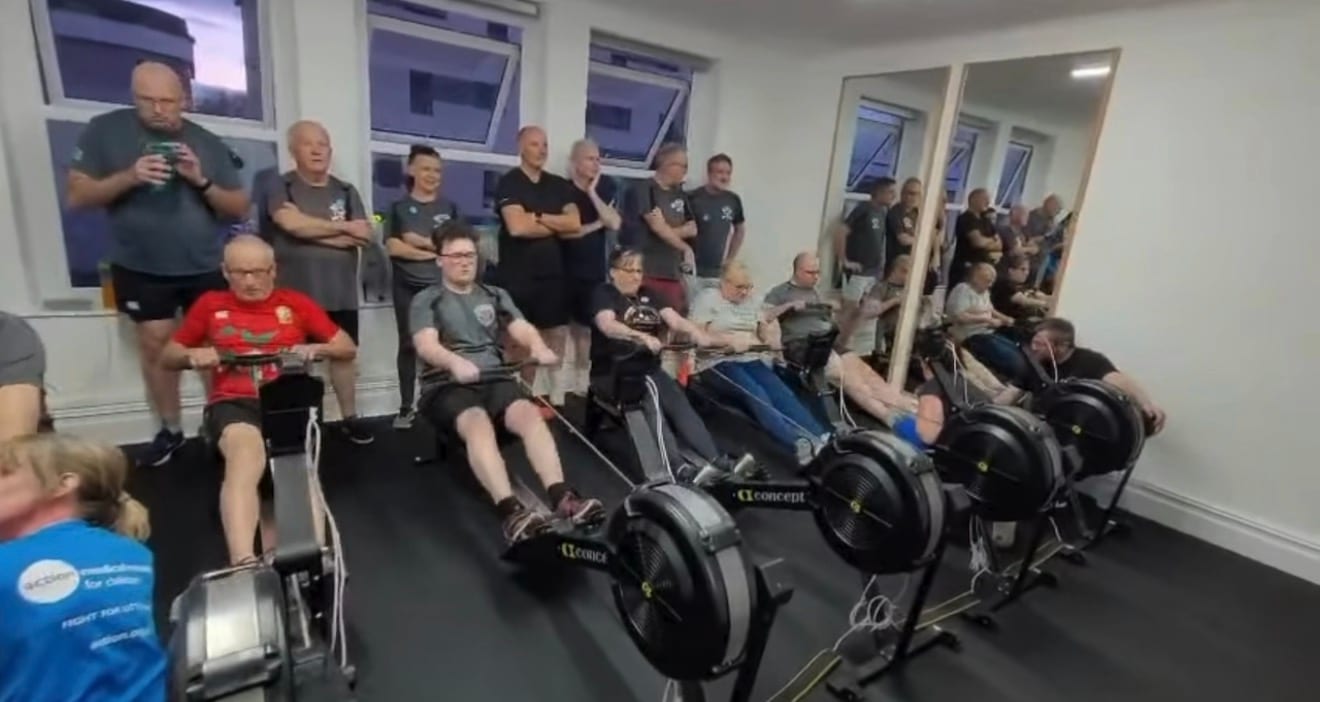 South Wales Coastal Rowing Club Appeals for a Ground-Floor Premises in Rhoose