


A new campaign has been launched to improve access to life-changing support for ex-servicewomen.
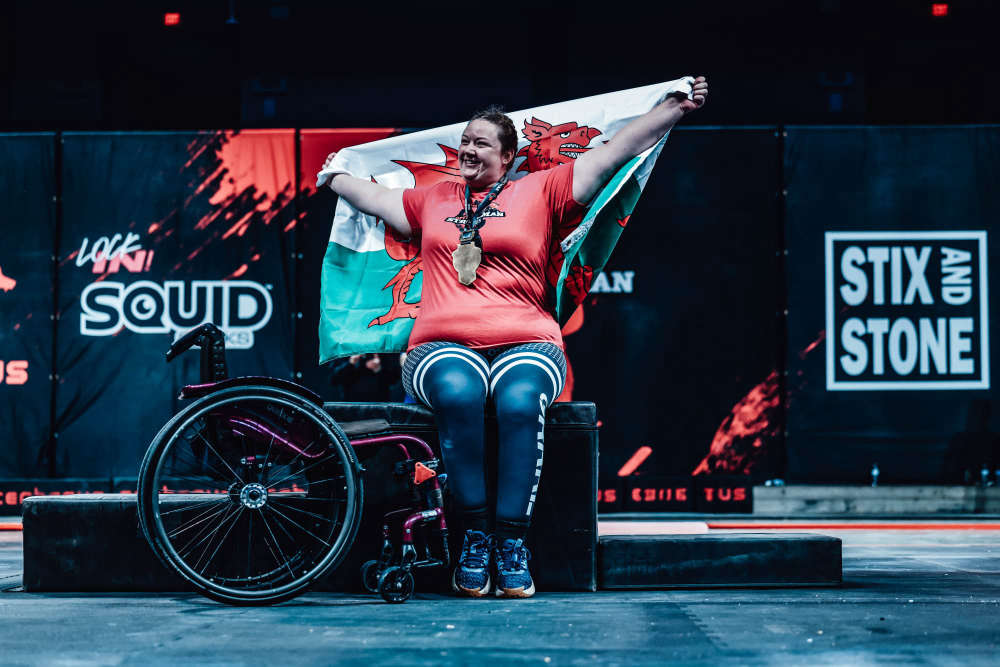
Help for Heroes’ first ‘Help for Her’ campaign is designed to tackle the unique challenges women face when transitioning from military to civilian life. And a former Army combat medic – and the world’s strongest disabled woman – from Cardiff, believes it is essential the effect on her contemporaries should be understood and acted upon.
New insights reveal that many former servicewomen do not identify with the term ‘veteran’ owing to unresolved trauma, stigma, fear, loss of trust, and shame.
Women also face a significantly higher rate of medical discharge than men across all military services and are at greater risk of injury.
This International Women’s Day, Help for Heroes is continuing to pressure the Government to urgently commission an independent review of the military medical discharge process.
Insights and data also reveal that:
- 67 per cent of women currently serving experienced at least one example of sexualised behaviour in the last 12 months, compared to 34 per cent of males.1
- Uniforms are not fit for purpose - research shows that 85 per cent of female recruits, experience breast health issues relating to inadequate breast support or poor bra fitting.2
- 30 per cent of ex-servicewomen are classed as disabled (2021 England & Wales Census).3
- 9.4 per cent of ex-servicewomen are experiencing bad or very bad health (2021 England & Wales Census).4
- According to Help for Heroes’ Veterans and Family Needs Survey (2025) almost 60 per cent of women who served said they did not feel prepared to leave, as they did not have a new job lined up (60 per cent – n = 49 women out of 72).5
- In an increasingly dangerous and uncertain world, there is growing recognition that we need our Armed Forces now more than ever. In March 2025,6 11.9 per cent of UK serving personnel were female and, to increase the number of troops, the Ministry of Defence has ambitions for women to account for 30 per cent of military recruits by 2030.7
Cardiff-based Gemma Kemble-Stephenson, 43, is a former Army combat medic turned multi-medal-winning disabled strongwoman. As the Community Sports Co-ordinator at Help for Heroes, she knows how vital sport can be as a tool for recovery and transition.
After joining the Royal Army Medical Corps, aged 17, she suffered multiple injuries during her service and was medically discharged after 19 years.
She explained: “When I was medically discharged, I felt like a failure. A large portion of my time was also spent thinking that if I wasn't good enough for my job and a failure, then I wasn't good enough to be a wife or mother.
“I had never written a CV, applied for a job, or had life experiences outside of the military, and I felt inadequate. I became isolated quickly, but couldn't move on as I felt trapped, as my husband was still serving with the same regiment.
“He would come home and discuss daily goings on, and I became resentful and frustrated with this, and very low with my mental health and well-being. I was focusing on how I was a failure; an inadequate, angry, frustrated and resentful person and how my husband would be far better off without me.”
She continued: “I joined the Army young, straight from school. All I’d wanted to do from a young age was to be a combat medic and treat people. This was who I was; I literally knew nothing else. I didn't know how to ‘civvy’. My husband and I were both serving in Germany at the time of my medical discharge, and it’s a small, close-knit community.
“I was totally outcast from the only world I knew to becoming a ‘Mrs’ and ‘dependant’. I’d lost my identity, as I no longer belonged with the serving women, or the other wives who often distrusted them.
“Some women struggle with identity as a new parent; this is similar in some ways and worse in others. There was no group for medically discharged women; the very few veteran groups available were male-oriented.”
Her story is not an uncommon one. Nor was the catalyst for her recovery – the love and care of a good friend.
Gemma added: “The turning point for me was a friend who I hadn’t seen for a few years, and who was back in the UK. She reached out, said that she had walked my path, and knew how ugly it was, but had I heard of Help for Heroes and the sports recovery programme that was running? I hadn’t.
“Subsequently, for the first time, I felt like I could breathe; I had options. I felt I’d found a community to be part of, and a new identity – that not being able to serve was maybe not the end of it all.
“I tried new sports, pushing what I thought I could do and grew in confidence, and joined an adaptive sport away from the Charity to hopefully inspire others and be someone my family can be proud of.”
Gemma discovered para-powerlifting and indoor rowing and hasn’t looked back. In 2025 she became the World’s Strongest Disabled Woman and now spends her time encouraging and helping other former service personnel to use sport as a major tool in their recovery.
At Help for Heroes, 75 per cent of the Charity’s employees are women, and out of the total number of staff who have served their country, 53 per cent are female.
The Charity has launched a new web page aimed at ex-servicewomen and developed a new leaflet targeting women who have served, which are being sent out in information packs to GPs and hospitals nationwide. There is also a women-only Community Sports Series event, providing taster sports in a safe-space environment, at the end of March.
To find out more, visit: Support for ex-service women | Help For Heroes
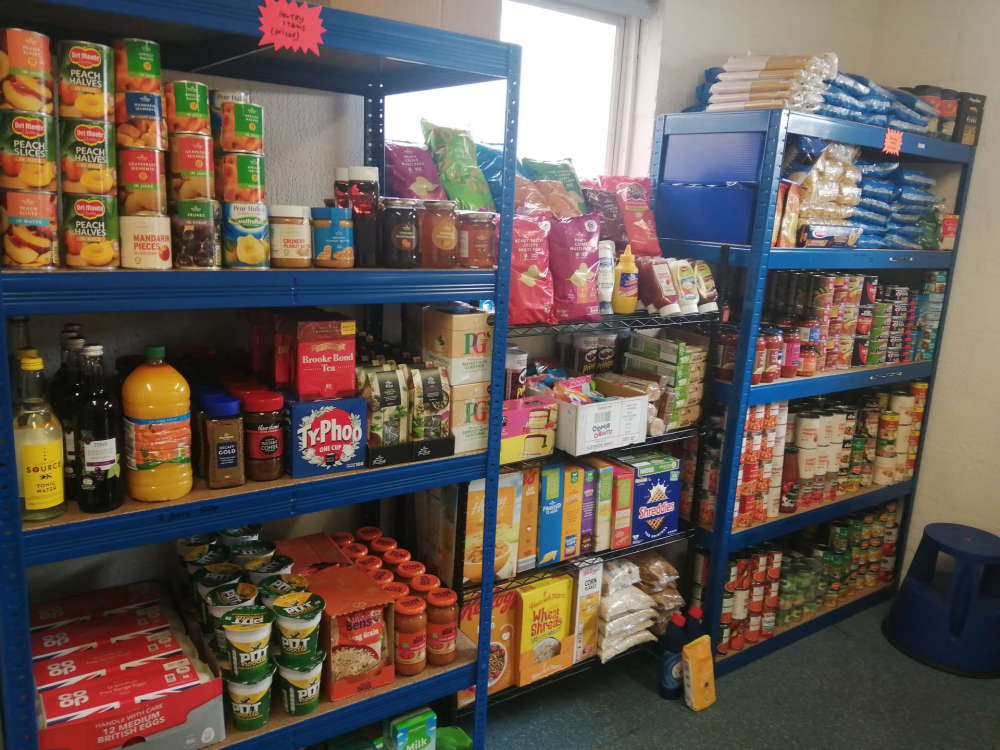 Vale Foodbank usage up by more than 26%
 Bro Radio’s Community Awards returns with new headline sponsor
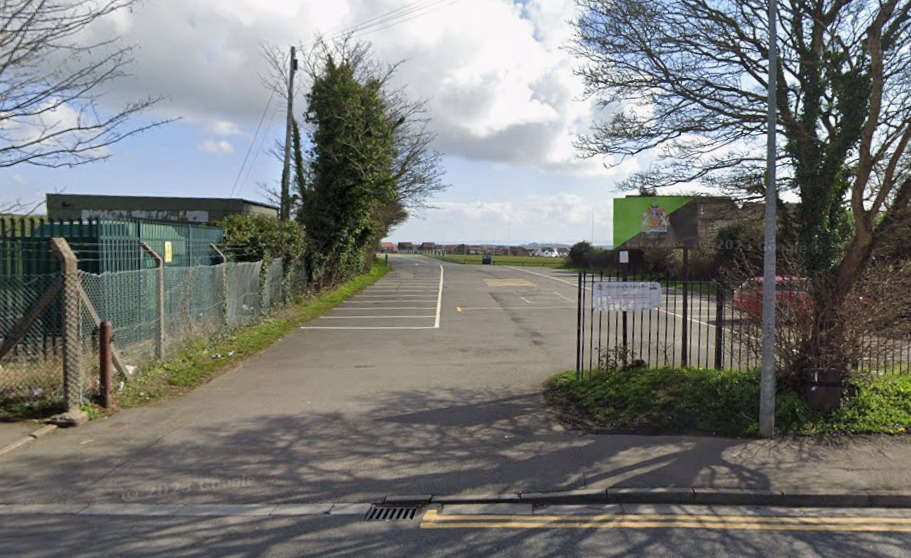 Barry Rugby Football Club has lodged plans for extensions to its clubhouse and other works
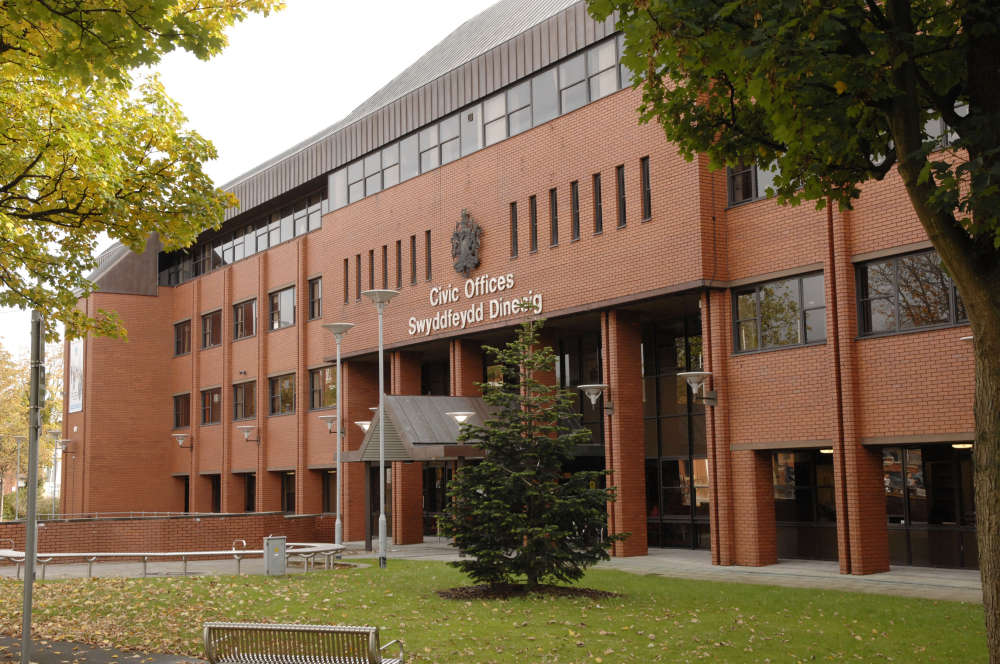 Council Tax in the Vale set to increase by 6.5%
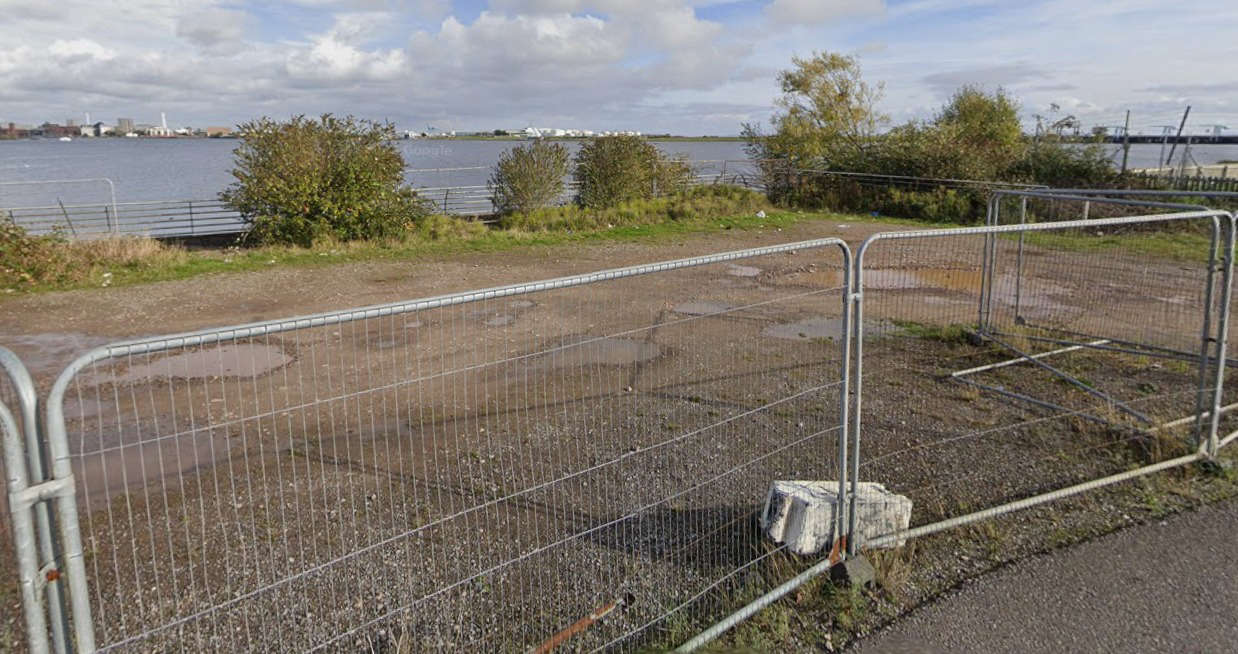 Plans scrapped for new boat depot on Cardiff Bay peninsula
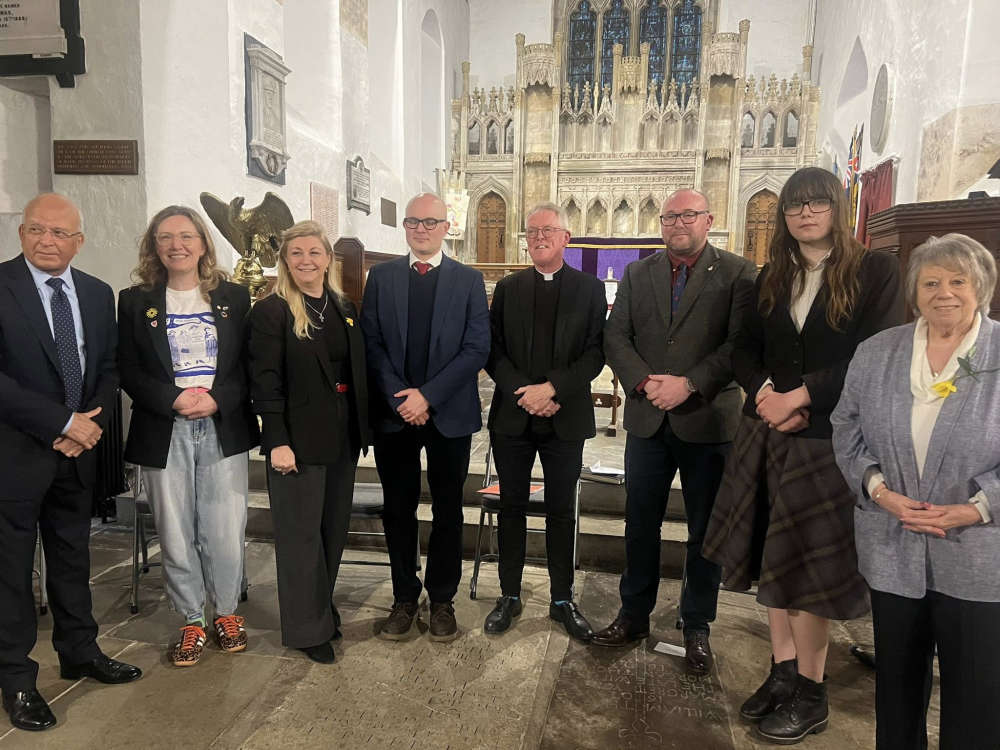 Llantwit Major hosts week-long Peace Festival
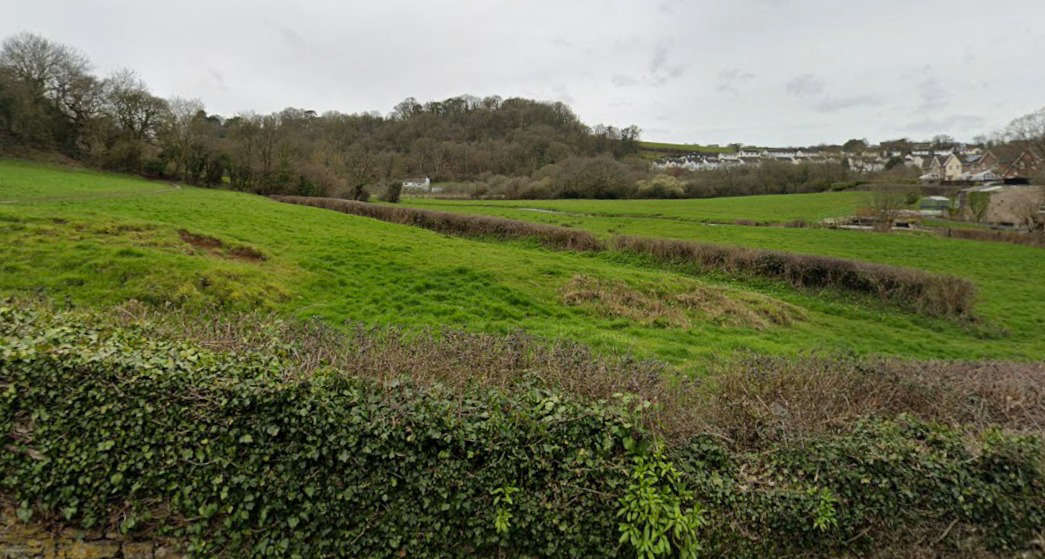 Local residents in Cowbridge have banded together to buy a beloved piece of land
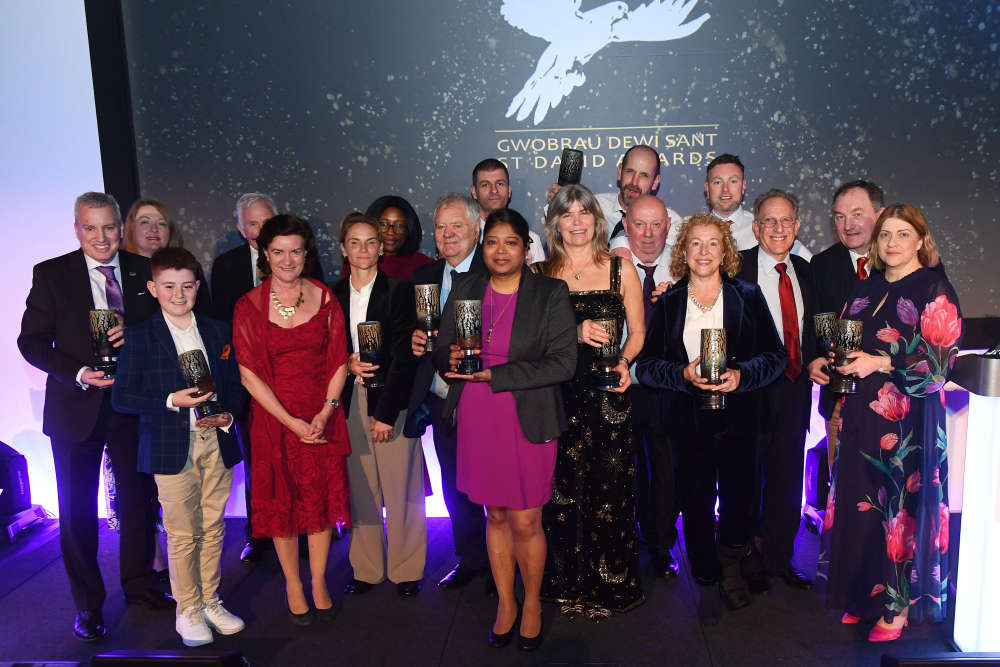 Welsh legend Max Boyce and record-breaking footballer Jess Fishlock honoured at St David Awards
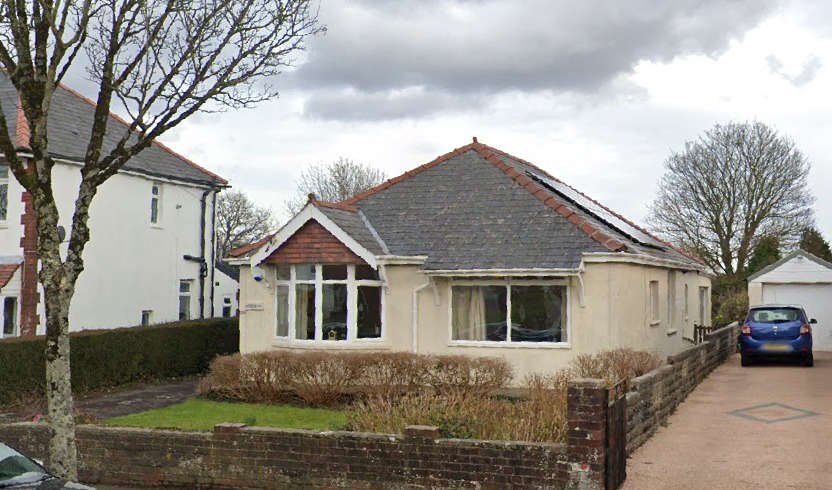 New care home could be coming to Barry is council approves plans
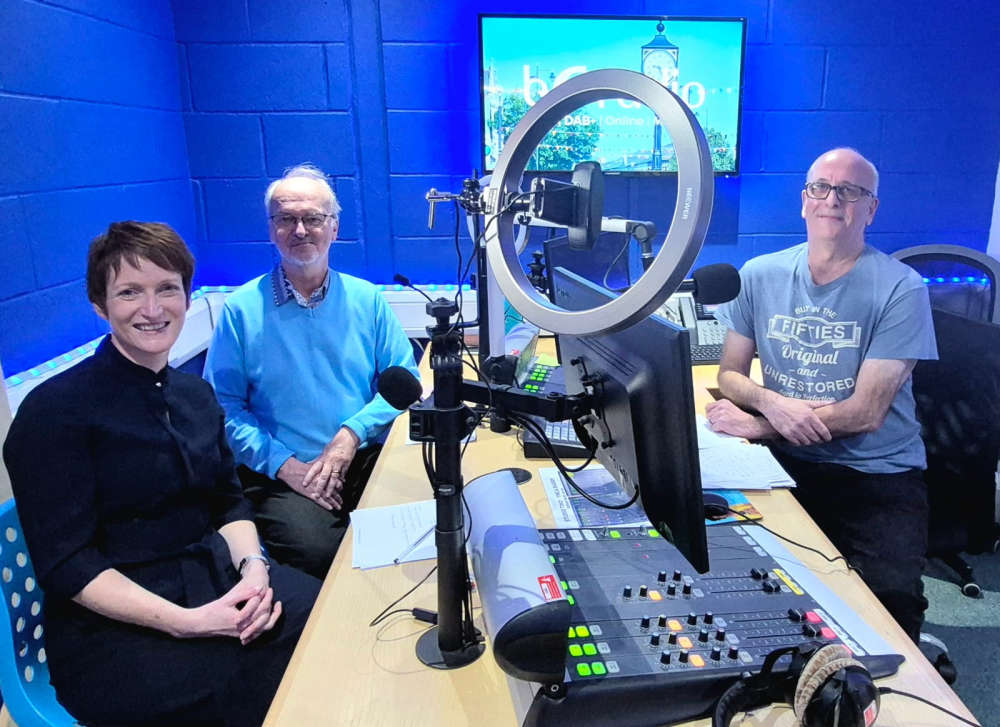 50+ Forum Radio Show highlight by World Health Organisation as leading age-friendly initiative
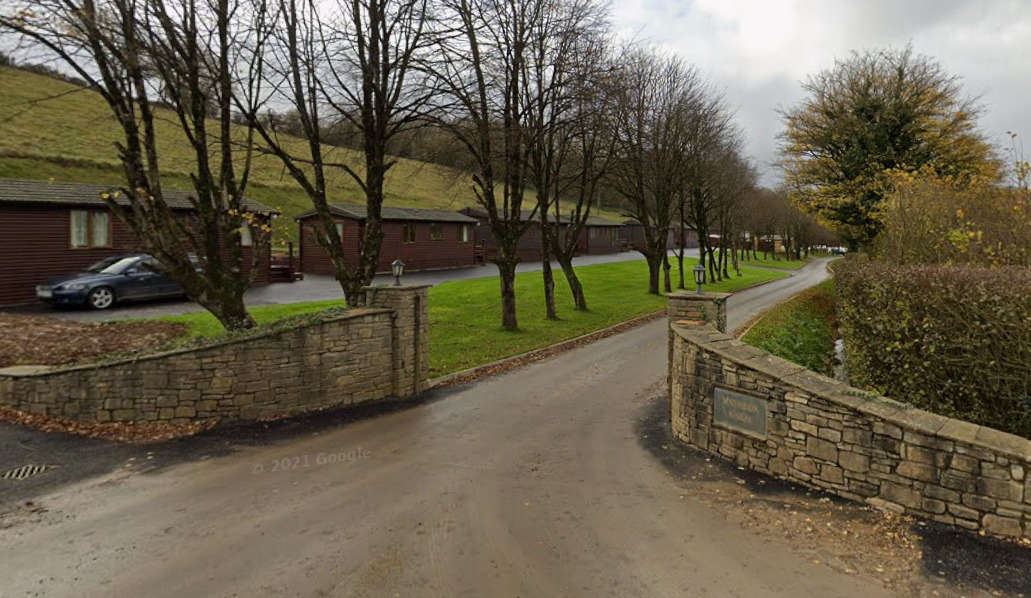 “Long-established rural enterprise hub” has applied for retrospective use of a base to provide services to the “wider rural community”.
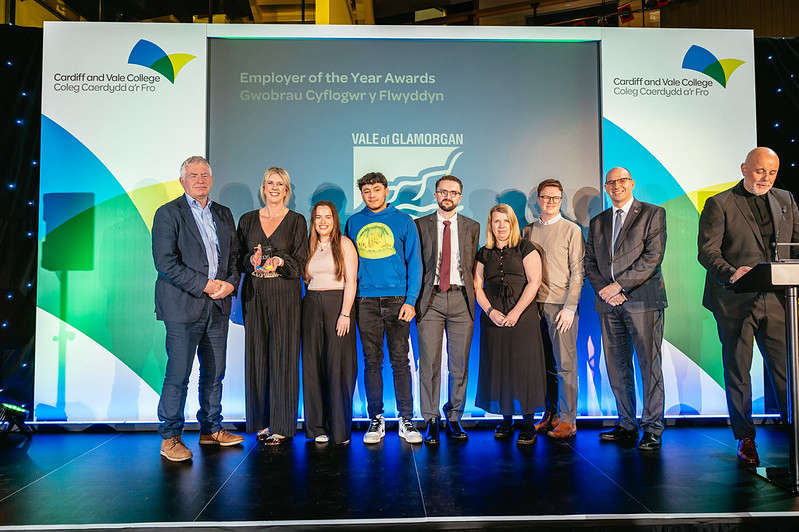 Vale Council named Employer of the year for Apprenticeships
 Average Vale House Price rises to £300,000
 Penarth Library shortlisted for Library of the Year Award
 Keep Wales Tidy launch "Drive your litter home" campaign
 Members return to the Senedd Siambr following redevelopment
 Barry resident shares his story of Operation Pied Piper in new book