


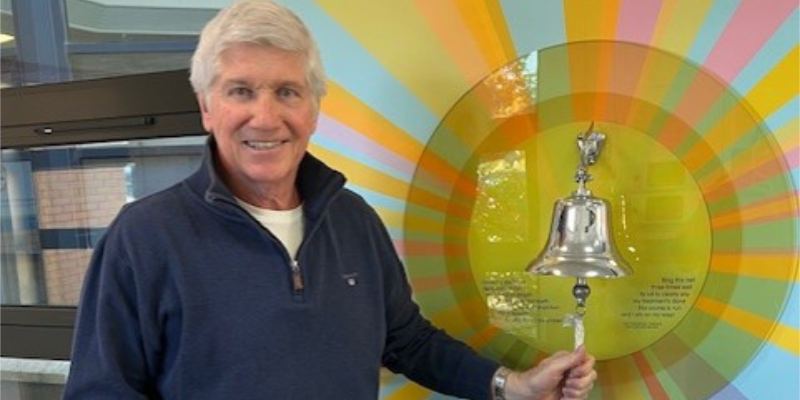
For more than four decades, the voice of Alan Wilkins has carried across cricket grounds and living rooms around the world.
From his early days with BBC Wales and ITV to 16 years with ESPN Star Sports in Singapore, he has built a global broadcasting career on what he calls “the tools of my trade” - his voice and his face.
So when he was told he had HPV-related throat cancer in the summer of 2024, his first thought was stark: What if I lose everything I’ve worked for?
“I didn’t want an abrupt finish to my career,” he said. “That’s not vanity. It’s my work. It’s me.”
A tickle that changed everything
In June 2024, Wilkins was in Barbados covering the ICC Men’s T20 World Cup in the Caribbean. He felt perfectly well.
“There was nothing wrong. No pain. No illness,” the 72-year-old recalled. “Just a tickle at the back of my throat.”
At first, he assumed it might be something minor, perhaps even a fish bone from one of the seaside restaurants he had visited during the tournament.
But the irritation lingered. Then one morning, while brushing his teeth, he spat out thick blood.
Within days, his GP referred him urgently to ENT specialists at the University Hospital of Wales. A camera passed through his nose revealed a tumour, nearly four centimetres long, sitting in the right tonsil area - despite the fact his tonsils had been removed when he was three.
On August 12, 2024, he was given the diagnosis by a consultant.
“He just said, very bluntly: ‘You’ve got cancer.’”
His wife, Susie, was beside him. “I thought she was going to faint,” he admitted. “That was the start of the journey.”
Shock and stigma
Alan, who lives in Cyncoed, Cardiff, was stunned by the diagnosis. He has never smoked and prides himself on keeping fit.
“I thought ‘how can this be?’ I don’t smoke. I look after myself.”
Then came another surprise: the cancer was caused by the human papillomavirus, known as HPV for short.
“I said ‘What on earth is that?’ I had never heard of it before,” she admitted.
HPV is a common virus that can lie dormant for years - even decades - before developing into cancer. Wilkins struggled to understand how it could have been present in his body without his knowledge.
“There’s a stigma to it,” he admitted. “People say, ‘HPV? Oh… where have you been and what have you been doing?’ And I was thinking - you really don’t understand. And as I said that, I was thinking: neither do I.”
The lack of awareness disturbed him almost as much as the diagnosis.
A race to save his voice
Initially, surgery was suggested, potentially involving a major operation to Alan’s throat.
“I said, ‘There has to be another way.’ This is important for me. It’s my livelihood.”
After multidisciplinary discussions, doctors opted for 30 sessions of radiotherapy over six weeks, alongside chemotherapy, at Velindre Cancer Centre in Whitchurch, Cardiff.
“It’s the not knowing that’s frightening,” he said. “You don’t know what the cancer is. You don’t know how it will affect you.”
The treatment was gruelling. Radiotherapy to the throat is notoriously harsh. He lost weight. Swallowing became difficult. His voice suffered.
“It’s a rough ride,” Alan said simply.
But there was one crucial piece of good news: scans showed the cancer had not spread to his lymph nodes. Because he had sought help quickly, doctors were confident it had been caught early.
“I think I was lucky,” he reflected. “I’d only felt that tickle for maybe two weeks. I could have left it.”
Back behind the microphone
Treatment ended for Alan on October 11, 2024.
Three months later, on January 10, 2025, Wilkins boarded a flight to Dubai. The next day, he was back on air.
“My voice was croaky - slightly Lee Marvin at times,” he laughed. “But I vowed I would get back.”
For a man who rejects the word “retirement” and continues to mentor young broadcasters around the world, returning to work was symbolic as well as professional.
“I still love the job. I didn’t want cancer to dictate the end.”
A new mission: awareness of the HPV vaccine
Now, Alan believes his experience should serve a purpose beyond his own recovery.
He has spoken out to raise awareness of HPV and the importance of vaccination - particularly for boys and young men.
HPV (human papillomavirus) is the name given to a very common group of viruses that are passed on through skin-to-skin contact and are usually found on the fingers, hands, mouth and genitals.
Most people who become infected with HPV will clear the virus from their body and won’t become unwell. But for some it can cause genital warts or even develop into some types of cancer including head and neck cancer (most common in men) and cervical cancer in women.
However, the HPV vaccine has proved very effective. Since it was introduced in 2008, it has reduced cervical cancer rates by almost 90% in women in their 20s.
Every year, Cardiff and Vale UHB’s School Nursing Immunisation Team visits schools across the region to administer the HPV vaccine to Year 8s, along with those in Year 9, 10 and 11 who missed it in Year 8.
Sandeep Berry, Consultant Otolaryngologist head and neck surgeon at Cardiff and Vale UHB, said: “The HPV vaccine has been used worldwide for years, it’s safe and effective and is part of the national immunisation programme in Wales. It helps boys and girls stay healthy, prevents HPV-related cancer and strengthens public health overall.
“The vaccine is given in Year 8 as it’s when the immune system responds most strongly - and before sexual activity begins. I would sincerely encourage you to ensure that your children get the HPV vaccine when it is offered in school.”
Speaking from the University Hospital of Wales as part of his regular check-ups, Alan said: “For young males now to have access to a vaccination, so they don’t have to go down this awful path - that’s huge. It’s a new dawn.”
Alan hopes greater understanding will remove the misconceptions surrounding the virus and encourage earlier action.
“If sharing this helps one person go to their doctor with a ‘tickle’ that won’t go away, then it’s worth it,” he said.
After a career spent describing the drama of sport, Wilkins has faced a very different kind of contest - one played out not in stadiums, but in hospital corridors and radiotherapy suites.
This time, the victory was personal.
“I made a vow to myself, to Susie, to our family, that this wouldn’t get me,” he concluded. “And it hasn’t.”
 A number of changes are coming to Cardiff's International Sports Vilage
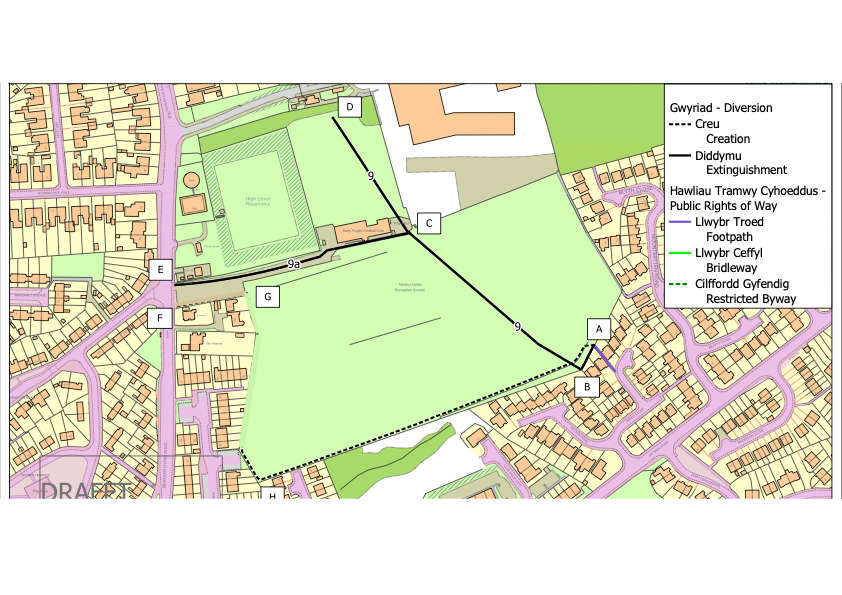 Barry RFC Proposes New Walking Route Across Reservoir Fields Following Community Feedback
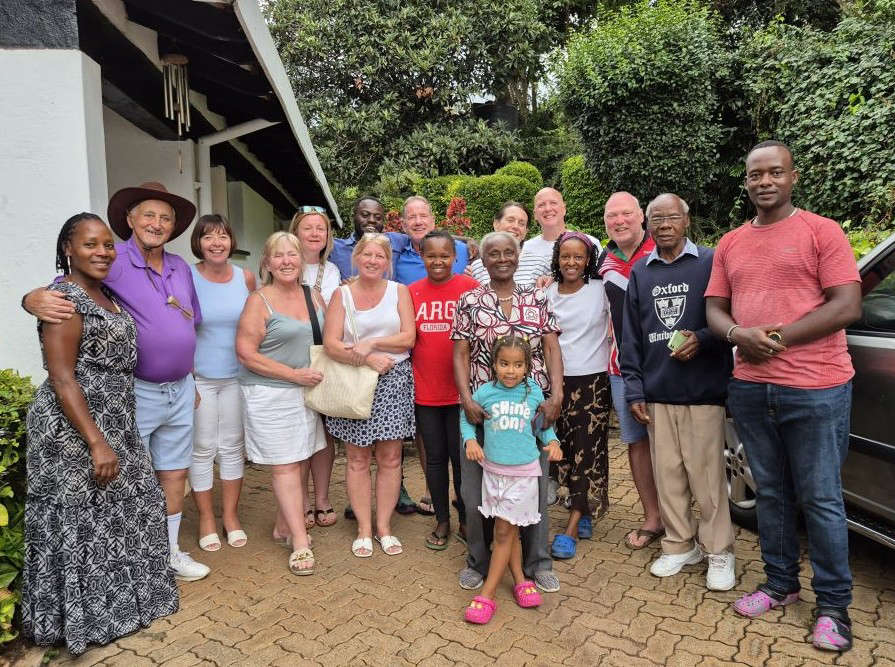 Barry Bowlers head on tour to Kenya
 Kayne McLaggon announced as Barry's new Head of Academy
 Dinas Powys run in 21 unanswered points in second half against Gilfach Goch
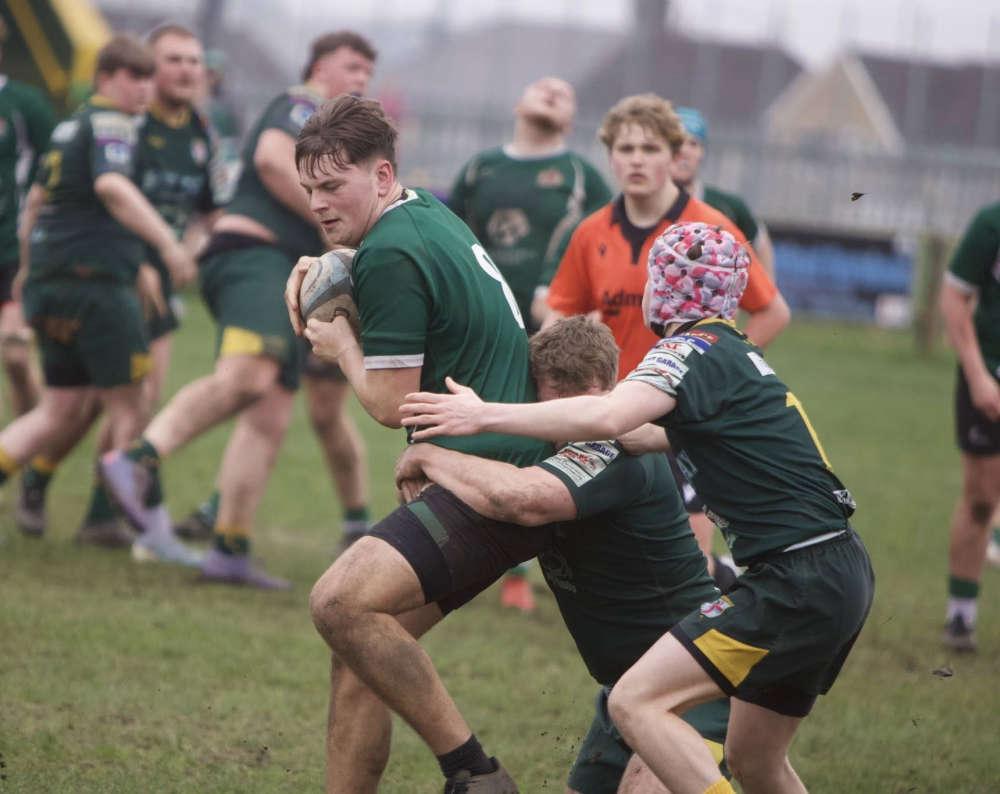 Barry Youth overcome slow start to beat Beddau in Cardiff Division 2
 Barry Rugby Football Club has lodged plans for extensions to its clubhouse and other works
 Missed chance proved Barry's downfall against Caerphilly
 Barry RFC Youth lose to Llandaff in Cardiff Rugby 2 League
 Barry RFC girls coach recognised by Cardiff Rugby Community Foundation
 Barry Town United end 26-year wait to lift Nathaniel MG Cup
 Welsh legend Max Boyce and record-breaking footballer Jess Fishlock honoured at St David Awards