


Airbnb has warned property owners could check out of the Welsh tourism market for good over "rushed" licensing rules which could cost hosts up to an estimated £15m.
The tech company gave evidence to the Senedd economy committee on Thursday on the Welsh Government's plans to license self-contained, self-catering accommodation.
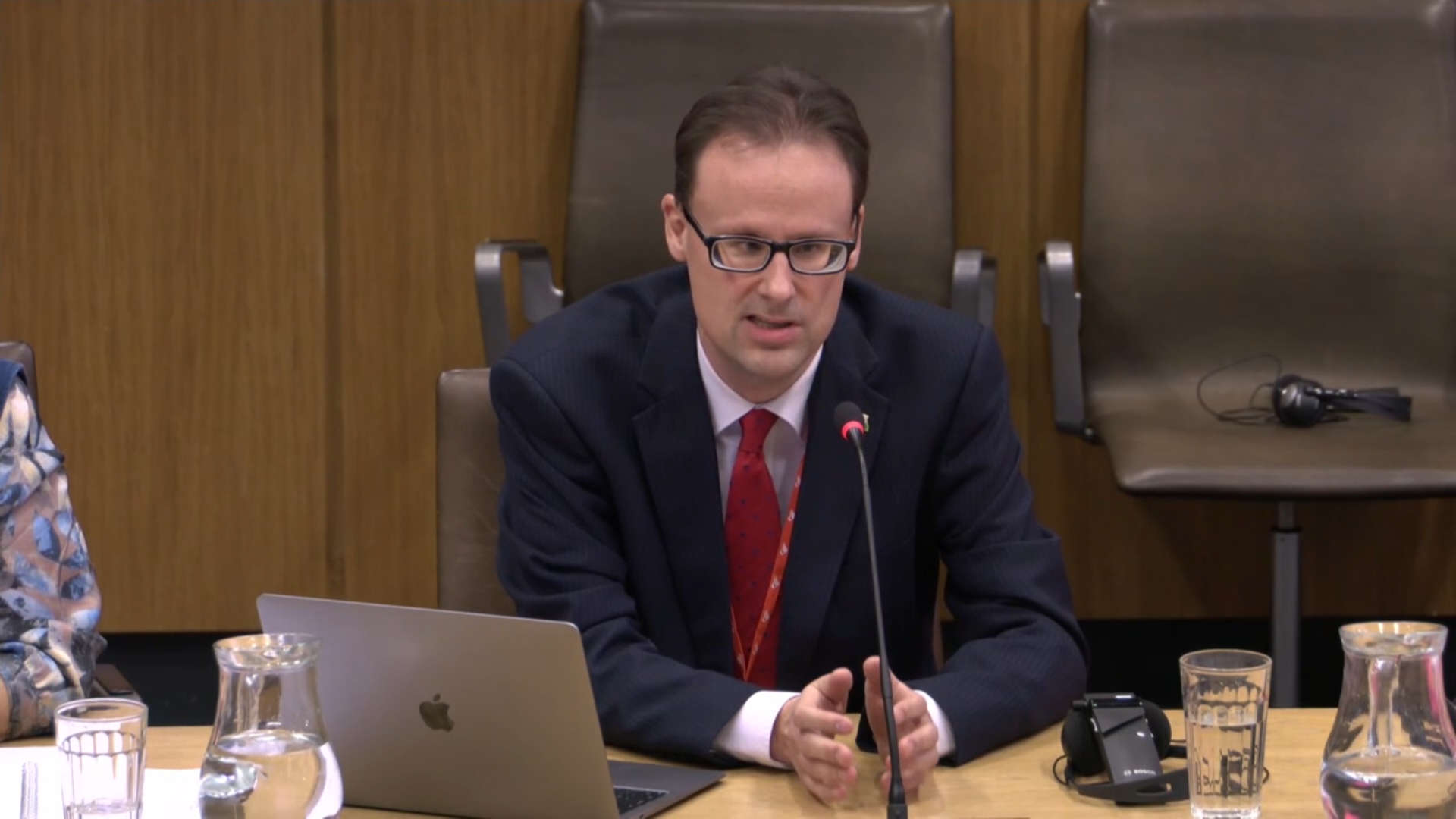
Carl Thomson, UK public policy manager for Airbnb, described licensing plans as a "blunt and unnecessary tool" that is disproportionate to any risks that might be faced by guests.
"In our view, there's no evidence that a licensing regime is needed in Wales," he said. "Or that it will do anything other than cause immense harm to local accommodation providers, reduce consumer choice and push up costs for guests."
In written evidence, Airbnb estimated the bill could cost Welsh hosts between £4.5m and £15m in reduced income, with "immeasurable" impacts on the wider Welsh economy
'Immeasurable'
Mr Thomson told the committee experience of short-term letting regulation from around the world shows licensing schemes do not solve the problem they are intended to fix.
He said: "Of course, safety matters but it's important to remember that problems are exceptionally rare. Our data...tells us accommodation in Wales actually has a much stronger safety record compared with other parts of the UK and internationally."
Mr Thomson explained that of the hundreds of thousands of inbound trips booked to Wales through Airbnb in 2024/25 – only 39 safety incidents were reported, equating to 0.004%.
He added that none of the incidents related to carbon monoxide, fire safety nor electrical safety, with only a single reported gas-related concern.
He told Senedd members: "If the purpose of this legislation is to ensure the health, safety and quality of the sector, there's real questions about whether it's necessary or needed."
'Rushed through'
Fiona MacConnacher, head of public affairs for the UK and Ireland at Booking.com, supported proportionate regulation but suggested the bill had been rushed through.
Warning of unintended consequences, she said: "We're talking about Welsh businesses here and if we affect those businesses, we don't just affect those self-catering businesses: we affect the restaurants, the pubs, the shops."
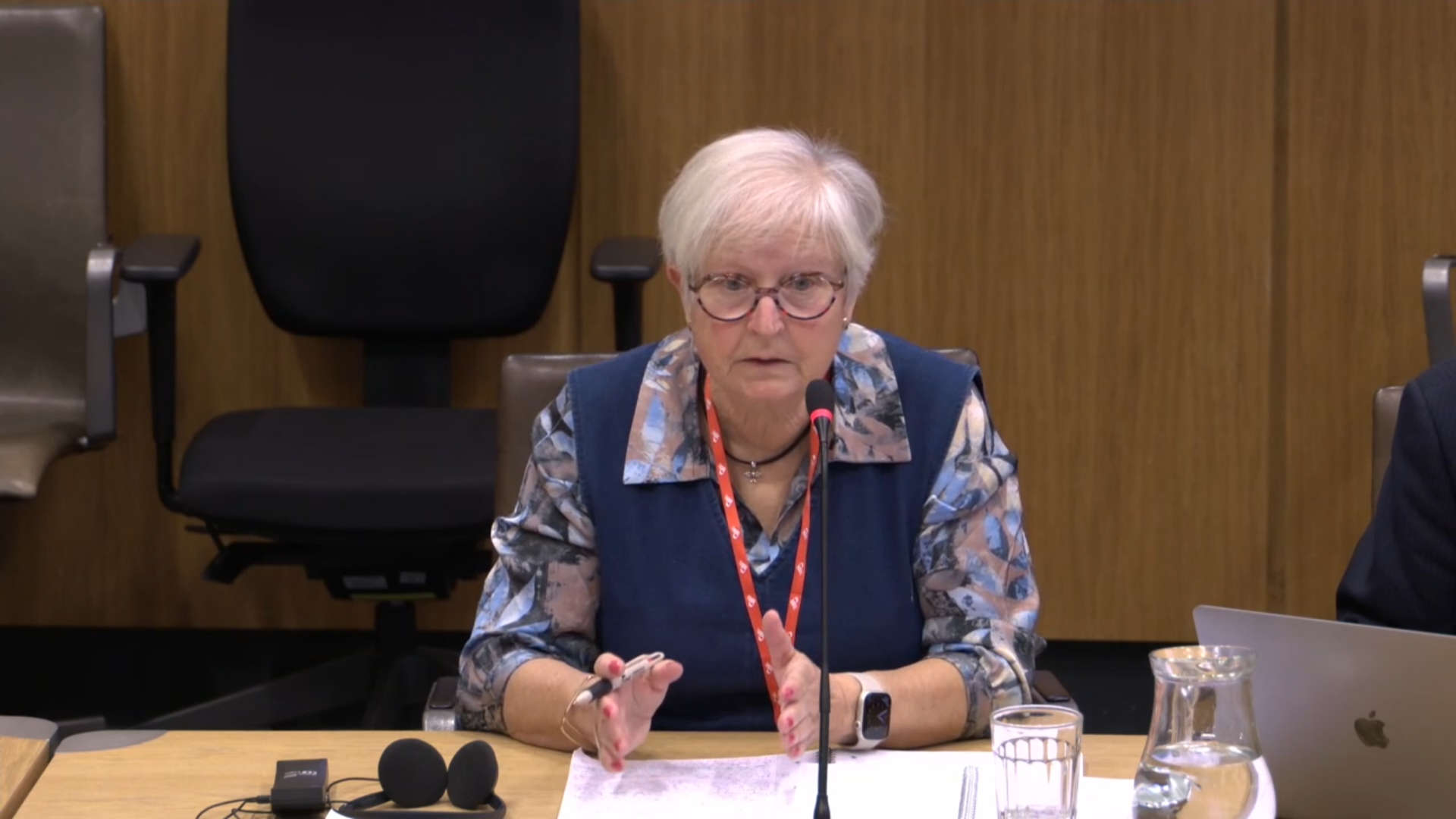
Barbara Griffiths, who runs North Wales Holiday Cottages, warned government officials have told her they have not had time to add sectors beyond self-contained, self-catering lets.
"It's rushed and I feel it should be delayed," she said.
Ms Griffiths argued the bill would not create a level-playing field, as claimed by ministers, because it does not cover other types of visitor accommodation.
'Bureaucracy'
Mr Thomson warned booking intermediaries would become legally liable for the accuracy of registration numbers provided by accommodation providers under the bill. He told the committee the first Airbnb learned about this aspect was when the bill was published.
He said: "That approach is inconsistent with established practice elsewhere in the UK and around the world. There's real technical problems with how that could work in practice."
Mr Thomson added: "We strongly disagree with the suggestion that criminal liability should be placed on platforms, and the senior officers of those companies, for actions which they've not participated in, for which they have no control and for which they're unaware."
He called for amendments to ensure liability rests with the accommodation provider.
He argued registration plans previously passed by the Senedd can achieve all of the same aims without the cost, friction and bureaucracy that layering licensing on top brings.
'Overly regulated'
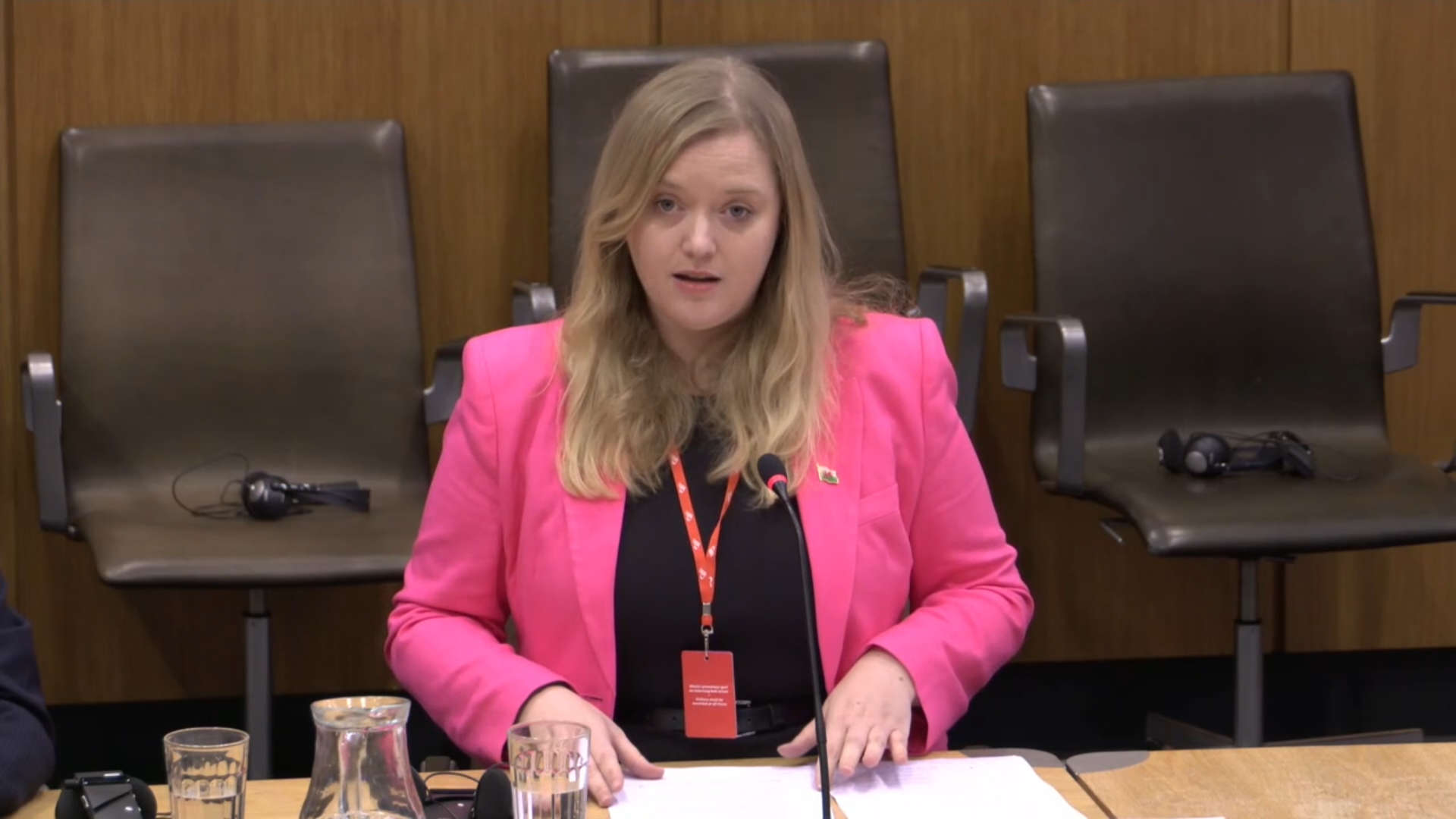
Ms MacConnacher emphasised that most providers are micro-businesses rather than "large corporate machines", with a majority of hosts aged over 50 and female.
She echoed Mr Thomson's warning about a cumulative pressure on operators who face a tourism tax, registration, business rates changes and now a licensing scheme. "Rightly or wrongly, they might feel as if they are not welcome to run their business," she warned.
Mr Thomson said: "There's real potential for this to make Wales an outlier, not only in terms of being overly regulated but harming its attractiveness and competitiveness."
Airbnb criticised the proposed "apply-and-wait" model where yearly applications for licenses are manually checked, calling it "outdated" and warning it would leave businesses in limbo.
Calling for renewals to take place every three to five years to provide certainty for the sector, Mr Thomson advocated a more automatic "apply-and-go" system.
 Plans are under consideration to build over 200 houses in a sleepy Welsh village
 Sanitary disposal bins introduced in men's public toilets following "Bins for Boys" campaign
 Officers called to Dinas Powys Woods after young person enters the river
 Three Reform candidates quit in Pen-y-Bont Bro Morgannwg constituency
 Six events taking place in the Vale of Glamorgan this weekend
 Vale Council signs off placemaking plan for Barry
 Plans filed to use Blackweir Fields for a series of live events this summer
 Plans filled for controversial housing development in Cowbridge
 Cardiff Council pledges to work with new Welsh Government to tackle trouble-plagued hospital
 Two local candidates stand down after revelations
 RNLI issues Sully Island safety advice after first call out of the year to the Island
 Morio Lounge on course to open at Nell's Point in May
 Vale Council appoints specialist contractors to carry out road improvements
 Three men jailed for their roles running a drugs line which supplied cocaine in Barry
 Police appeal for witnesses after fatal Penarth Road collision
 New Beach and country park facilities opened following major investement
 RNLI centre at Barry Island welcomes lifeguards back to Whitmore Bay
 Severn tidal lagoons progress