


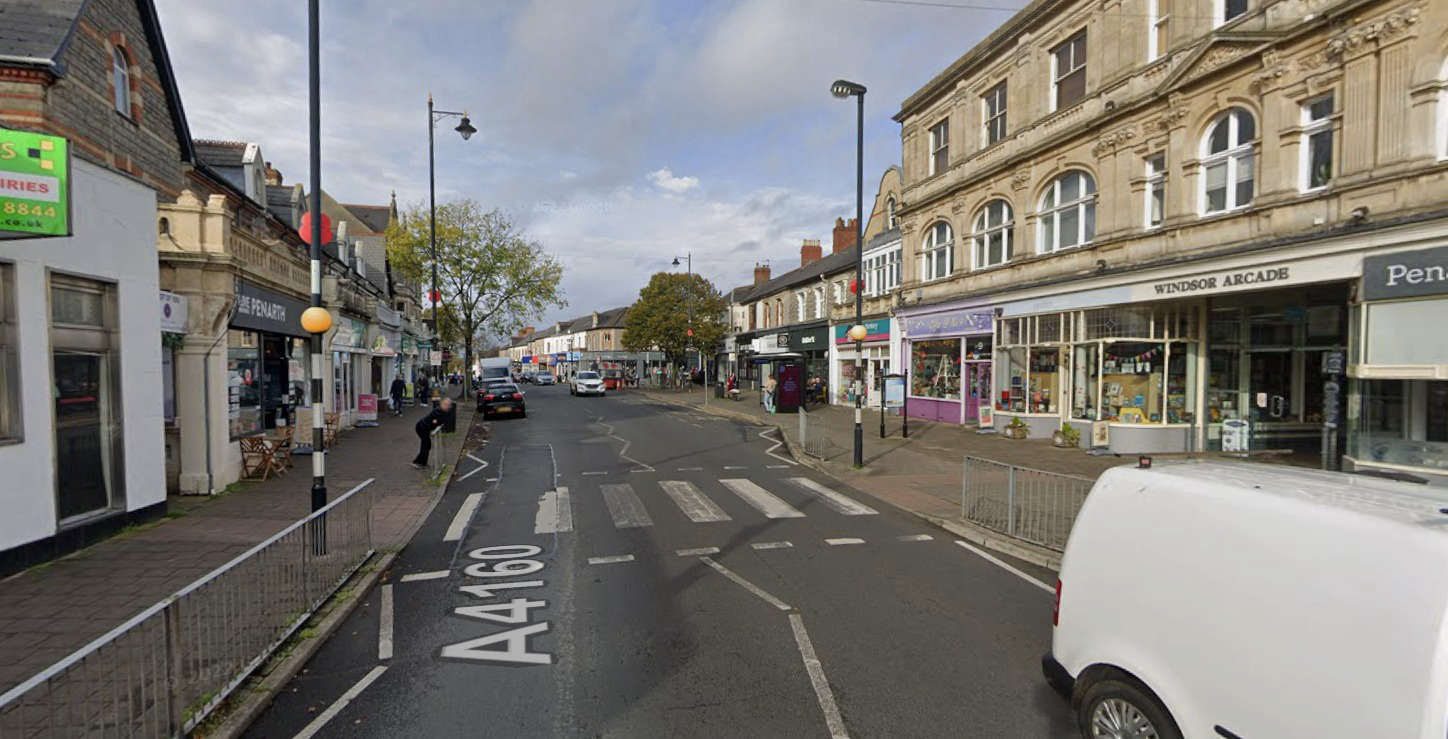
It was harder than you’d imagine to get people to talk about an election in a leafy Welsh town.
The streets of Penarth are packed with people and no doubt all have opinions on health, education, housing, and the environment.
Yet when I spent hours in the commuter town ahead of the May 7 election I didn’t get very far.
I can tell you they didn’t know the name of their new constituency – Caerdydd Penarth – or very much about the new electoral system or if they cared very much one way or another.
Most people I attempted to talk to had no interest in the upcoming election, albeit they did know there was one.
The Senedd has long struggled with turnout. It’s never got above 50% nationally and the former constituency for the area, Cardiff South and Penarth, saw 44% of eligible voters go to the ballot box in the 2021 election.
Another area in the new constituency, the Cardiff suburb of Grangetown, was very different, with the people being more open to talk but with a more cynical attitude.
However it is still just under a month until election day and while the uber-keen may be putting out placards and circling their calendars most people are still making up their minds.
Regardless of residents’ personal interest in it the 2026 Senedd election is predicted to result in a seismic shift in Welsh politics.
This May election is starkly different from previous years as it introduces completely new constituencies and a new voting system.
Caerdydd Penarth covers parts of Cardiff, Rhondda Cynon Taf, and the Vale of Glamorgan, reaching down to Sully in the south, Pengam Green in the east, and as far as Miskin in the north, combining the two UK constituencies of Cardiff West and Cardiff South and Penarth, both of which have traditionally been Labour strongholds.
The new constituency also eats the eastern part of the former Vale of Glamorgan constituency, which has proved to be a bellwether seat in previous years.
However this most likely will change as polls project Labour looks set to face a dismal drop-off in Wales.
A quirk of these new super-constituencies is that very different areas, with very different priorities, now find themselves stuck together and electing from the same pool of candidates.
The latest YouGov poll indicates that of the six seats on offer in Caerdydd Penarth three would go to Plaid Cymru while Labour, Green, and Reform would all pick up a seat each.
Such a fragmented patch does raise questions. For example if you want to take an issue to your local MS which of the six do you pick? Does each one take an area to look after despite being elected by the whole constituency? Who handles your casework? Do all six show up to the local surgery? These questions, and others like them, remain unanswered.
Two of the most different areas put together in the new constituency are Grangetown and Penarth.
Penarth is a middle-class town sitting just below Cardiff Bay outside of the city’s boundaries. Grangetown on the other hand is a traditionally working class and multi-ethnic area of inner Cardiff.
Voters in each area had very priorities that will dictate their vote.
Matthew, a resident of Penarth who did not give his last name, told the Local Democracy Reporting Service (LDRS): “Looking out towards a Europe [and the] wider environment, these things are important to me.”
He continued: “A more kind of inclusive policy than some of the policies I might see as more negative at the moment, [that are] sort of dividing people.”
Similar sentiments were shared by another Penarth resident, Ann, who also didn’t give a last name, 71, who said: “It would be something to do with helping the population, where people are underprivileged.”
However, she criticised the increase in the number of MSs who will be elected to the Senedd in May, which is set to increase from 60 to 96.
She said: “I don’t understand why they need so many extras.”
At Penarth Pier, I spoke to Tanya, 29, who lives in Cathays in Cardiff rather than Penarth.
When the new constituencies were drawn Cathays was bisected between Caerdydd Penarth and neighbouring constituency of Caerdydd Ffynnon Taf.
Tanya landed on the Caerdydd Penarth side of the line, meaning her vote is cast with people in Grangetown and Penarth.
She shared many of the same voting areas as those in Penarth, saying: “All social aspects really, people’s mental health, social groups and stuff like that.
“[Policies] around renting and affordability for younger people [and] just everyone.”
She also mentioned the environment is an important issue she will be voting on.
People in Grangetown expressed a more critical attitude.
One resident of the area, Sally Beaman, told me: “I would say, in some ways, the health service and housing – all the obvious ones.”
She continued: “But then all the candidates all say the same things about those so I’m going a lot on track record.”
Ms Beaman went on to criticise the relationship between Welsh Government and UK Government.
She said: “[Labour] always used to complain as it was all to do with the Westminster government but now they’ve got a Labour government in Westminster.
“Nothing has changed and I think people are beginning to get fed up with the idea.
“What I am worried about is the far right getting in instead.”
She also said that, while she has got campaign leaflets through her door, she has seen no canvassers out in Grangetown yet.
Another Grangetown resident, Dunia Hatuqa, 48, said party policy regarding the war in Gaza would be the deciding factor on her vote.
She said: “It’s difficult to think about other things with that in mind but I think whoever addresses that will be able to address local issues in the same matter… [with] the attitude of fairness and inclusivity.”
In another area of Grangetown Riley Martin, 21, did not know there was an election next month.
She said: “It’s not very common to find out about politics in this sort of neighbourhood.”
Ms Martin continued: “The parties don’t really really reach out to people in this community.”
The 21-year-old said she believes the big parties should be making more of an effort to reach out in Grangetown.
“It’s definitely something that affects a lot of people and there’s a lot of young people in Grangetown so I think that if they targeted us a lot more they would definitely get a lot more votes.”
Regarding why she feels like Grangetown has been neglected during the Senedd race she said: “It’s got quite a bit of a reputation…I don’t think [the parties] think it’s a demographic that would benefit them.”
Despite the differences between the areas within the Caerdydd Penarth constituency something that all residents I spoke to shared was an inability to name the new constituency.
Something else they shared was a confusion over the new voting system that will be put in place. None could describe who it worked beyond that it was a form of proportional representation.
On a local level Cardiff Council, the authority that makes up the bulk of the population in the new seat, has been under Labour leadership for most of its history with a notable exception between 2004-2008 when it was led by a minority Liberal Democrat administration.
However in the August 2025 council by-election for the Grangetown ward Matt Youde, a member of the Green Party, was elected with 24% of the vote, which could indicate Labour’s grasp on the city loosening – a trend that can be seen across other cities in Wales and the wider UK.
The other authorities, Rhondda Cynon Taf County Borough Council and Vale of Glamorgan Council, are under Labour leadership and no overall control with a Labour plurality respectively.
However Welsh Labour is falling behind in the polls so the party’s dominance at a local level may not reflect who they will be sending to the Senedd.
According to a YouGov poll, Plaid Cymru would secure 43 seats across Wales, Reform would come in second with 30, Labour would have 12, the Greens would get 10, and the Conservatives would be left with only a single seat.
This would be a devastating loss for the Labour party as it has led the Welsh Government since devolution was introduced in 1999.
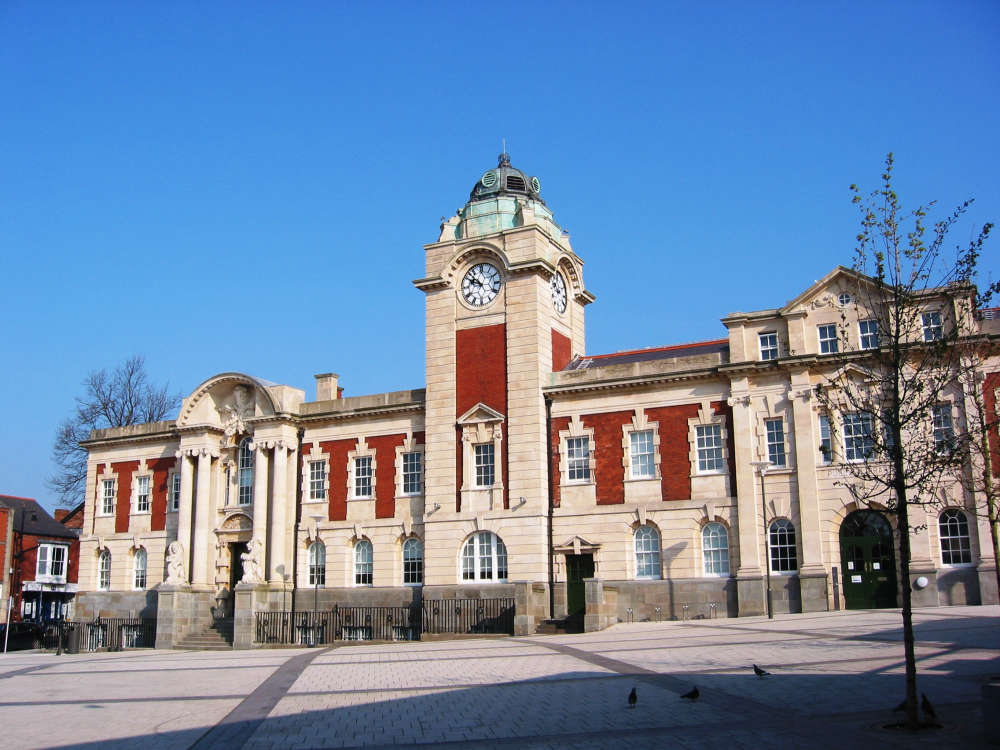 Officers given additional powers following King Square anti-social behaviour
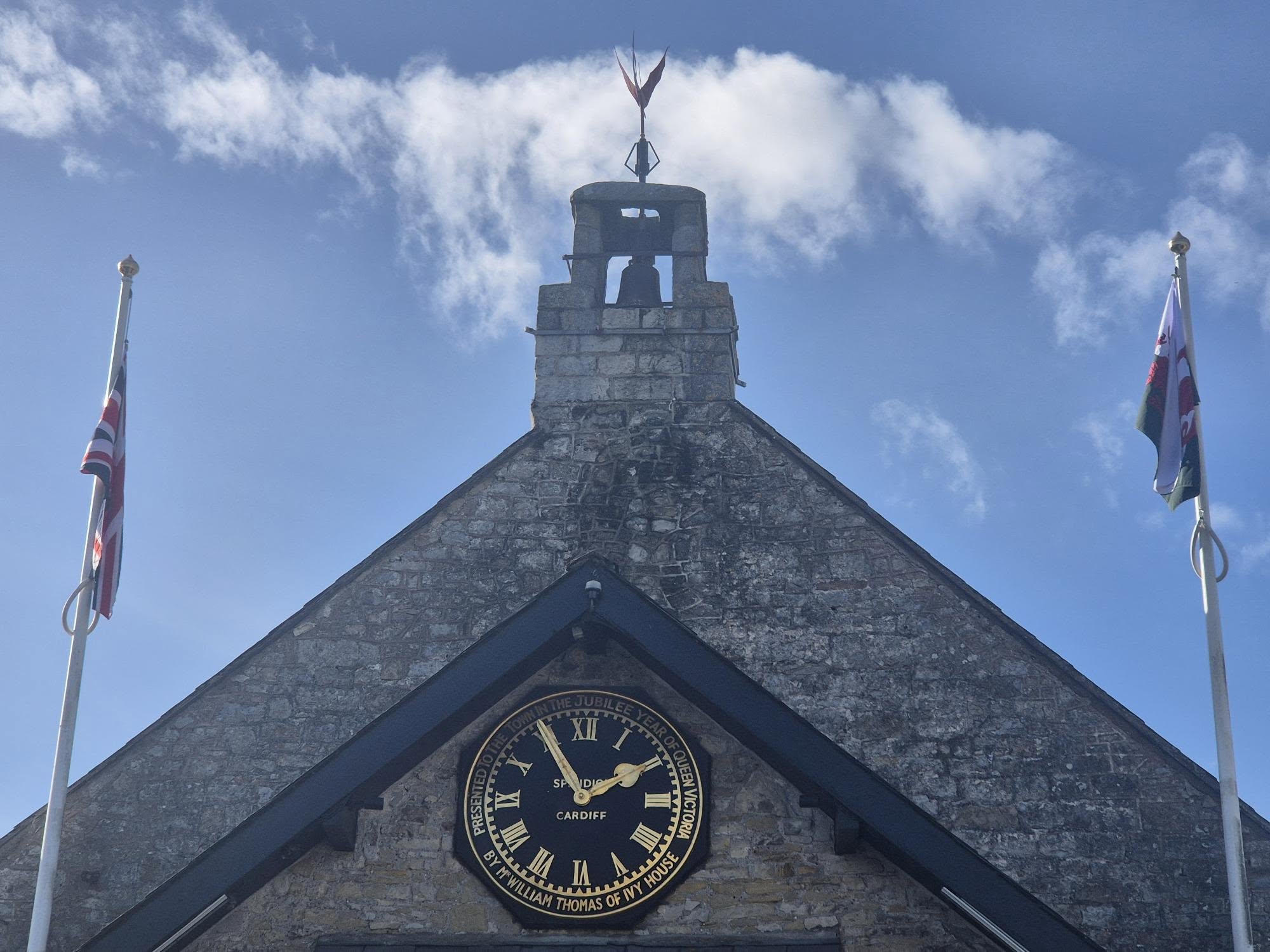 Historic Llantwit Major Town Hall clock restored after 15-year effort
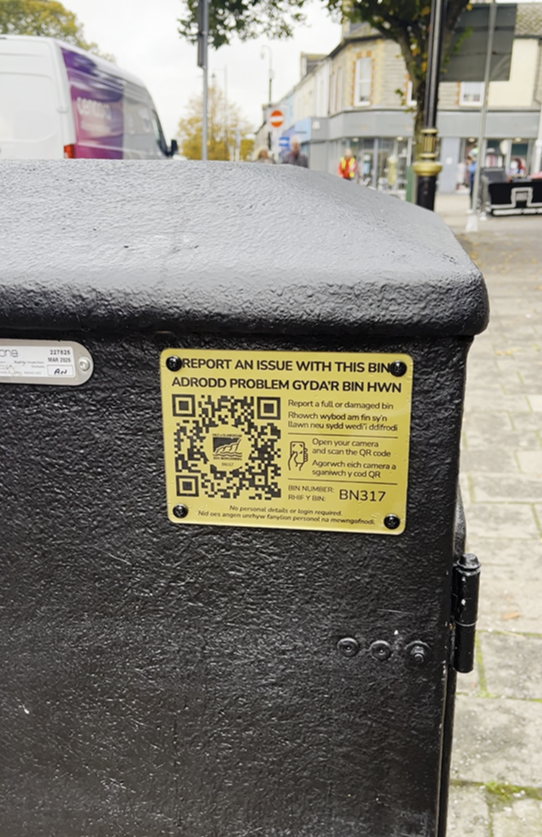 New QR codes let residents report overflowing bins across the Vale
 Vale Council launches new scheme to tackle chewing gum-stained pavements
 Penarth Remembrance Parade will go ahead after traffic management agreement reached
 Summer wildfires were “extremely challenging” for firefighters
 Senedd calls for disused coal tips action and inclusion of Aberfan in school curriculum
 Barry Town Council unveils plans for new heritage centre
 More than 6 million people visited the Vale in 2025 according to new figures
 Welsh organisation Luna’s Light calls for children to learn about grief
 Welsh Tory leader calls for the declaration of a “health emergency” in Wales
 Funded childcare for all two-year-olds to expand across Vale of Glamorgan
 The first steps have been taken to deliver a £4m cycle track to the Welsh capital
 Leo praised by RNLI after raising alarm for two boys caught by rising tide
 Engineering works to disrupt Vale of Glamorgan rail services during Half Term
 Penarth Pier Pavilion Cinema voted one of the best 15 cinemas in the UK
 Vale community invited to stand together against domestic abuse at White Ribbon Day candle vigil
 Barry Museum plans spring 2027 reopening following repair work
 Plans approved for new Aldi supermarket in Barry
 Vale of Glamorgan MP Kanishka Narayan is calling for a national effort to strengthen Britain's defences against AI