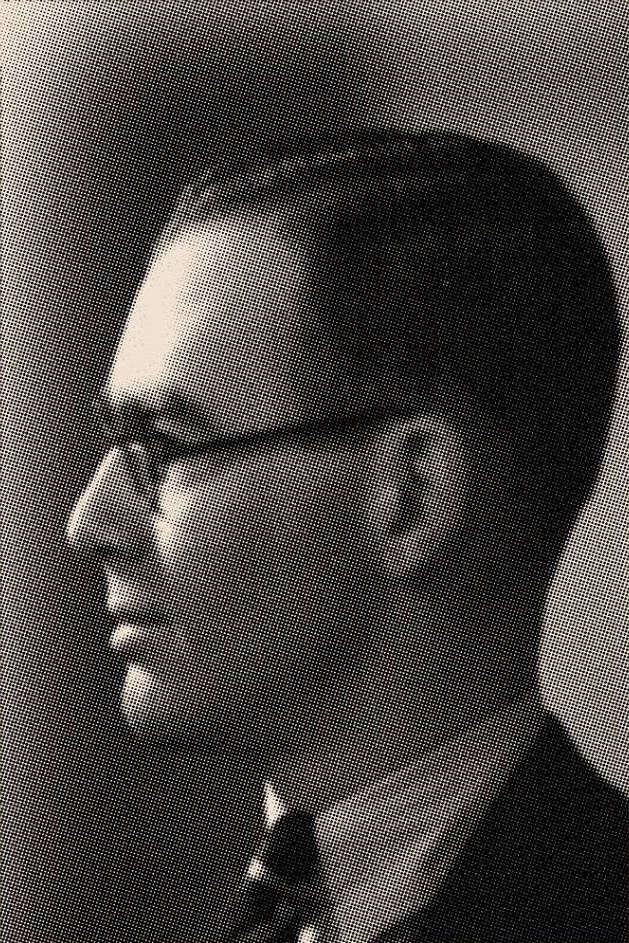
Campaigners are calling for part of Barry's waterfont to be named after investigative journalist Gareth Jones.
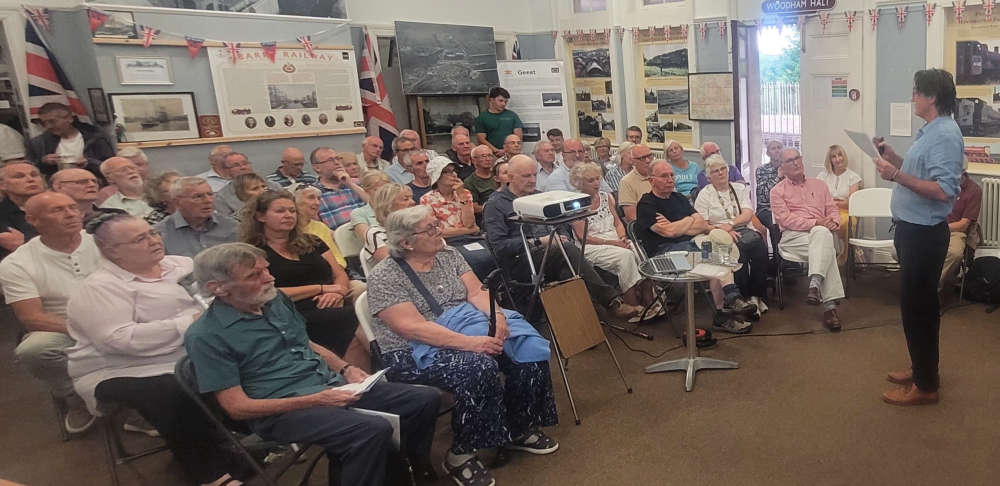
A talk to mark the 90th anniversary of the correspondent's death was held earlier this month at the Barry War Museum and Heritage Centre by his great nephew Philip Colley.
Mr Jones, who was kidnapped and murdered in 1935 at the age of 30, was best known for exposing the Soviet famine of the early 1930s, known in the Ukraine as the Holodomor.
Although there is a commenorative plaque near his family's gravestone at Merthyr Dyfan Cemetery - and five streets in Ukraine bearing his name - he has yet to be honoured by his hometown in a similar way.
There are now calls for an unnamed public space on Barry's waterfront next to the quayside of the former docks - a place Mr Jones often visited in his youth - to be named after him.
John Buxton, chair of the Barry War Museum and Heritage Centre, said: "In an increasingly uncertain world, it is now more than important than ever we uphold the memory and inspiration of people who gave their lives in the pursuit of truth."
Born in Barry in 1905, Gareth attended Barry County School, where his father, Major Edgar Jones, was headmaster.
His mother, Annie Gwen Jones, had worked in Russia as a tutor to the children of Arthur Hughes, son of Welsh steel industrialist John Hughes who founded the town of Hughesovka, now known Donetsk.
He became a freelance reporter for a range of newspapers and journals, and by 1930, became a foreign affairs adviser to former Prime Minister, David Lloyd George.
His career encounters with historic figures like Adolf Hitler, Lenin’s widow Krupskaya, Frank Lloyd Wright, President Herbert Hoover, and Irish Taoiseach Eamon de Valera.
His reports on the Soviet famine revealed the role of Stalin and his regime in the deaths of millions of Ukrainians, Kazakhs, and Russians, while defying Bolshevik efforts to conceal the tragedy.
But his coverage sparked international controversy when the New York Times, influenced by their correspondent’s collusion with the Soviet regime, denied his claims. Despite being blackballed by parts of the British establishment, Jones stood by his work.
In 1935, while reporting on the Japanese invasion of Manchuria, Jones was captured by Chinese troops who had turned to banditry.
After two weeks in captivity, exhausted and with the police in hot pursuit, he refused to mount his horse and was killed by three bullet wounds.
A Foreign Office investigation at the time suggested Japanese involvement but mystery still surrounds his death. His ashes were later interred at Merthyr Dyfan cemetery, where a commenorative plaque was installed by Barry Town United..
Gareth Jones’ fame faded - but it was later revitalised by Philip’s mother and Jones’ niece, Dr Margaret Siriol Colley, whose 2005 biography More Than a Grain of Truth led to a BBC Storyville documentary, and in 2019, the feature film Mr. Jones, starring James Norton.
 Officers given additional powers following King Square anti-social behaviour
 Historic Llantwit Major Town Hall clock restored after 15-year effort
 New QR codes let residents report overflowing bins across the Vale
 Vale Council launches new scheme to tackle chewing gum-stained pavements
 Penarth Remembrance Parade will go ahead after traffic management agreement reached
 Summer wildfires were “extremely challenging” for firefighters
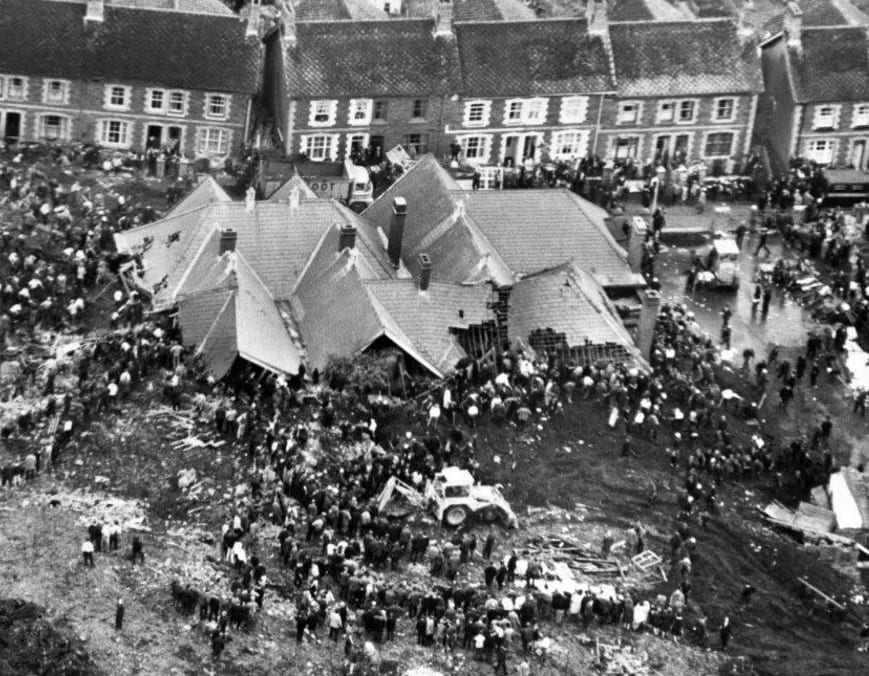 Senedd calls for disused coal tips action and inclusion of Aberfan in school curriculum
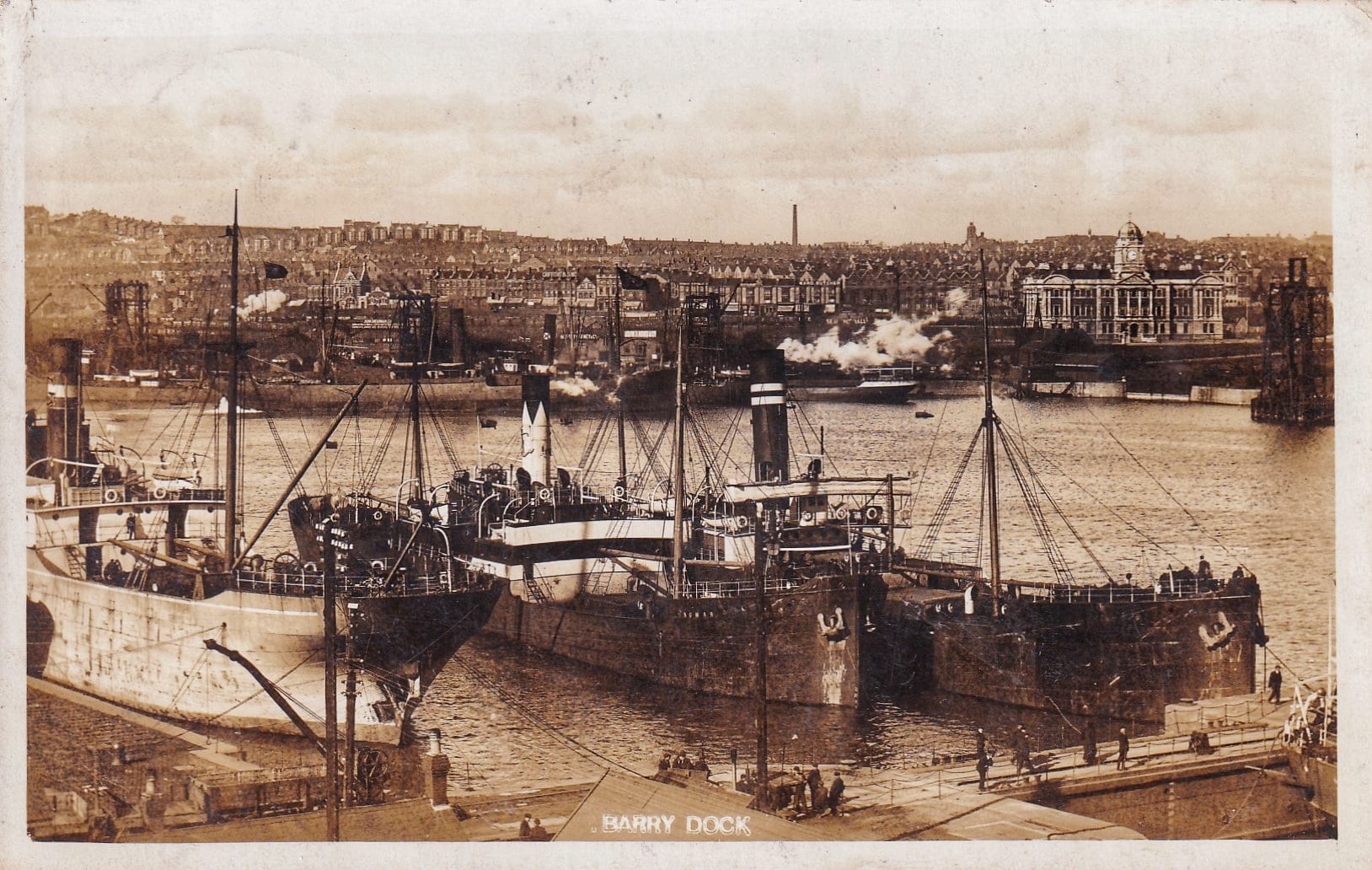 Barry Town Council unveils plans for new heritage centre
 More than 6 million people visited the Vale in 2025 according to new figures
 Welsh organisation Luna’s Light calls for children to learn about grief
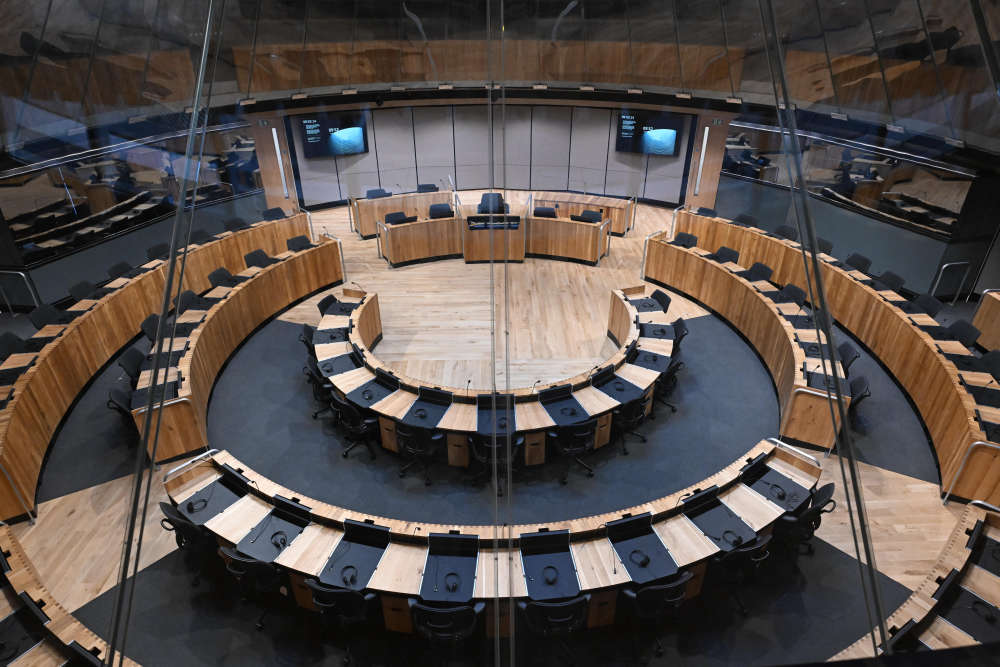 Welsh Tory leader calls for the declaration of a “health emergency” in Wales
 Funded childcare for all two-year-olds to expand across Vale of Glamorgan
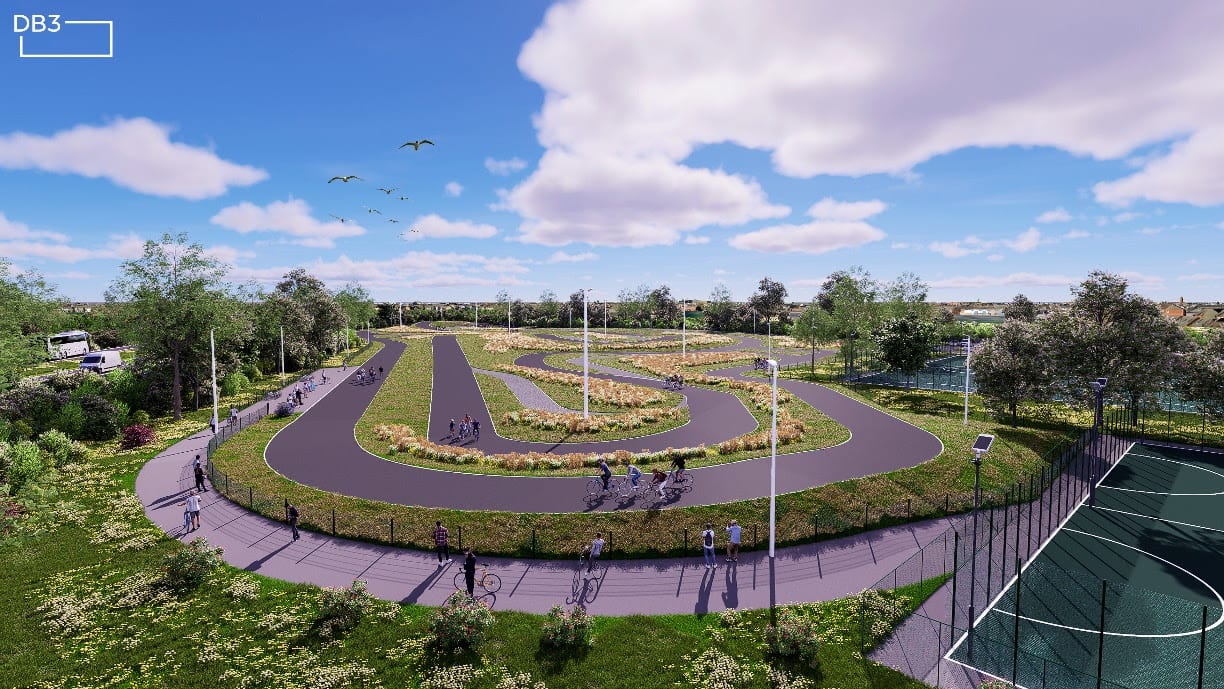 The first steps have been taken to deliver a £4m cycle track to the Welsh capital
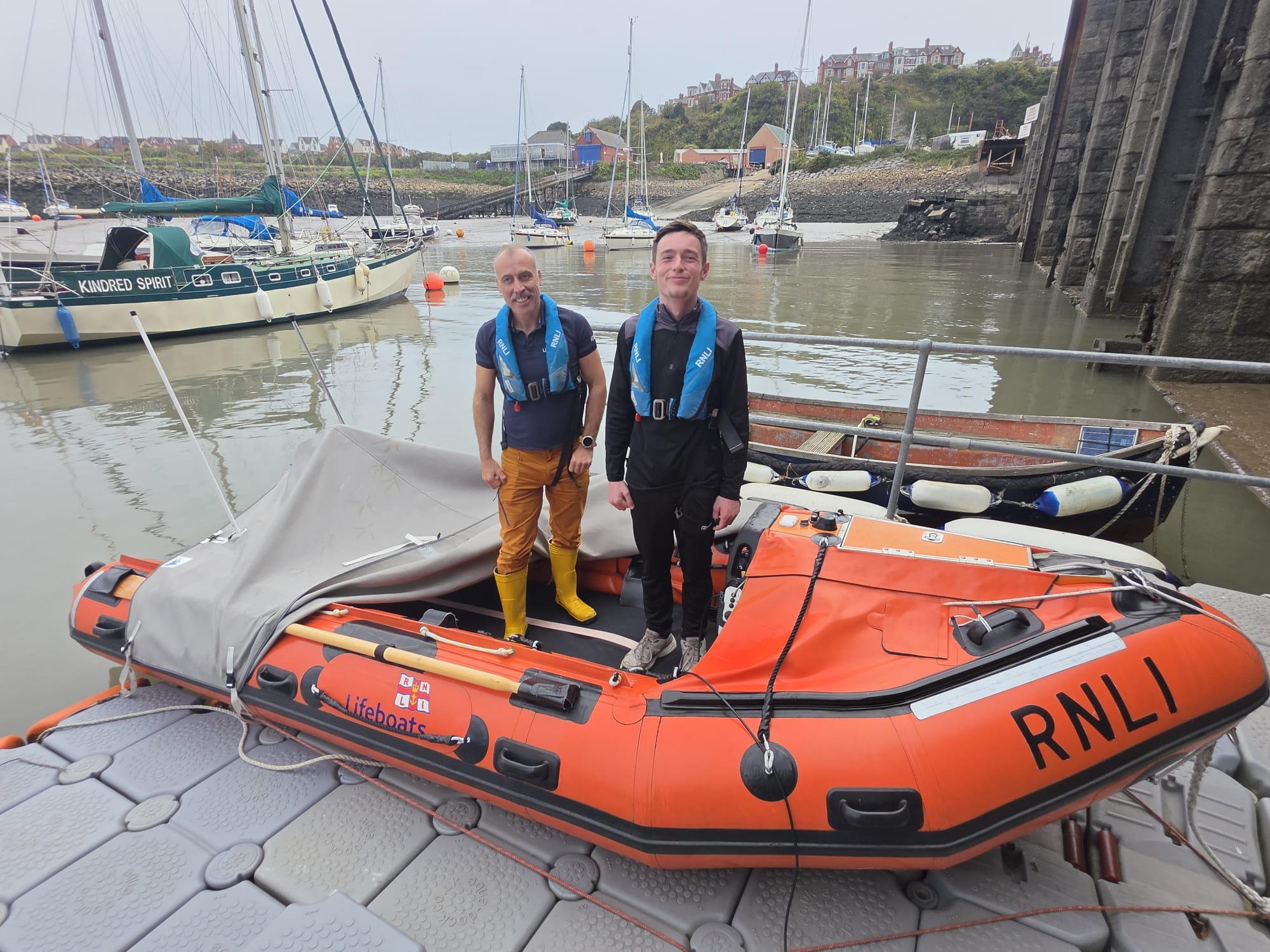 Leo praised by RNLI after raising alarm for two boys caught by rising tide
 Engineering works to disrupt Vale of Glamorgan rail services during Half Term
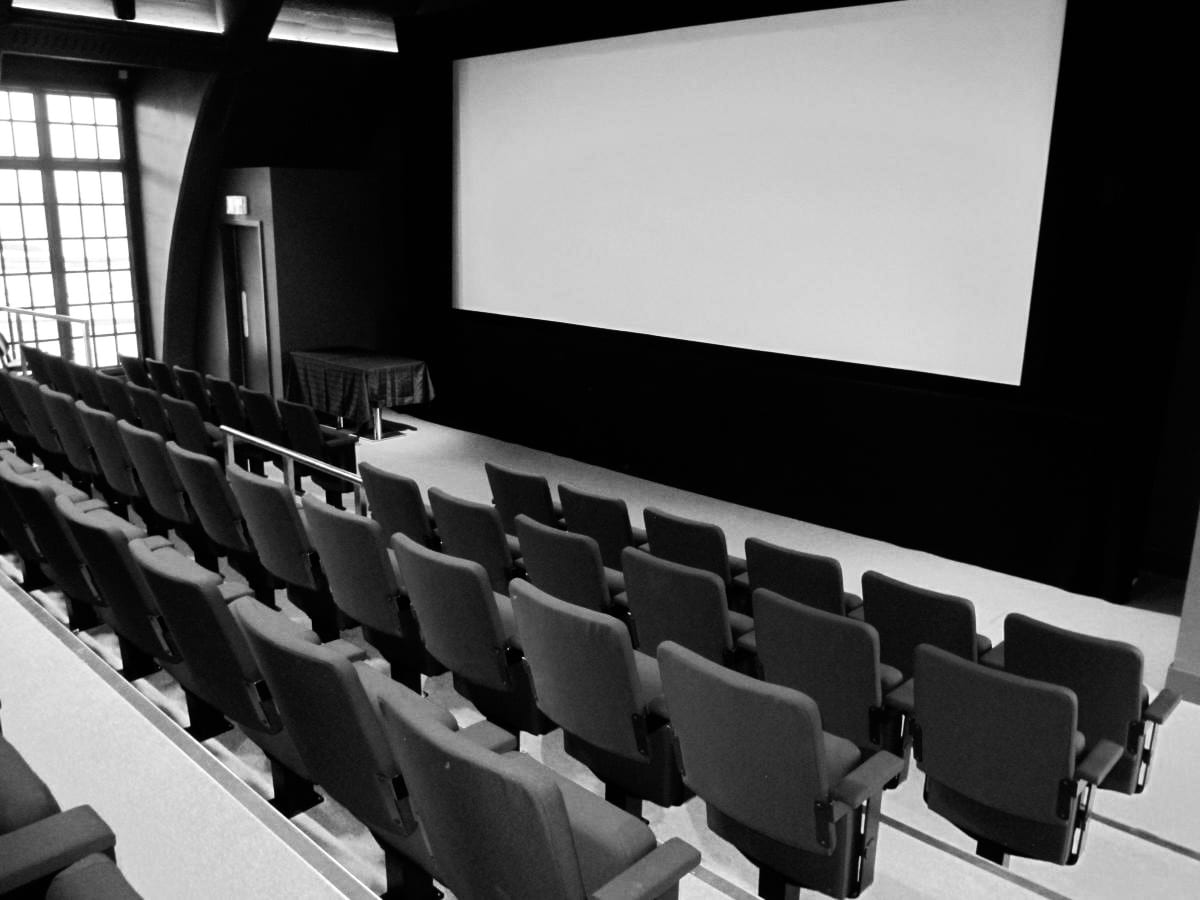 Penarth Pier Pavilion Cinema voted one of the best 15 cinemas in the UK
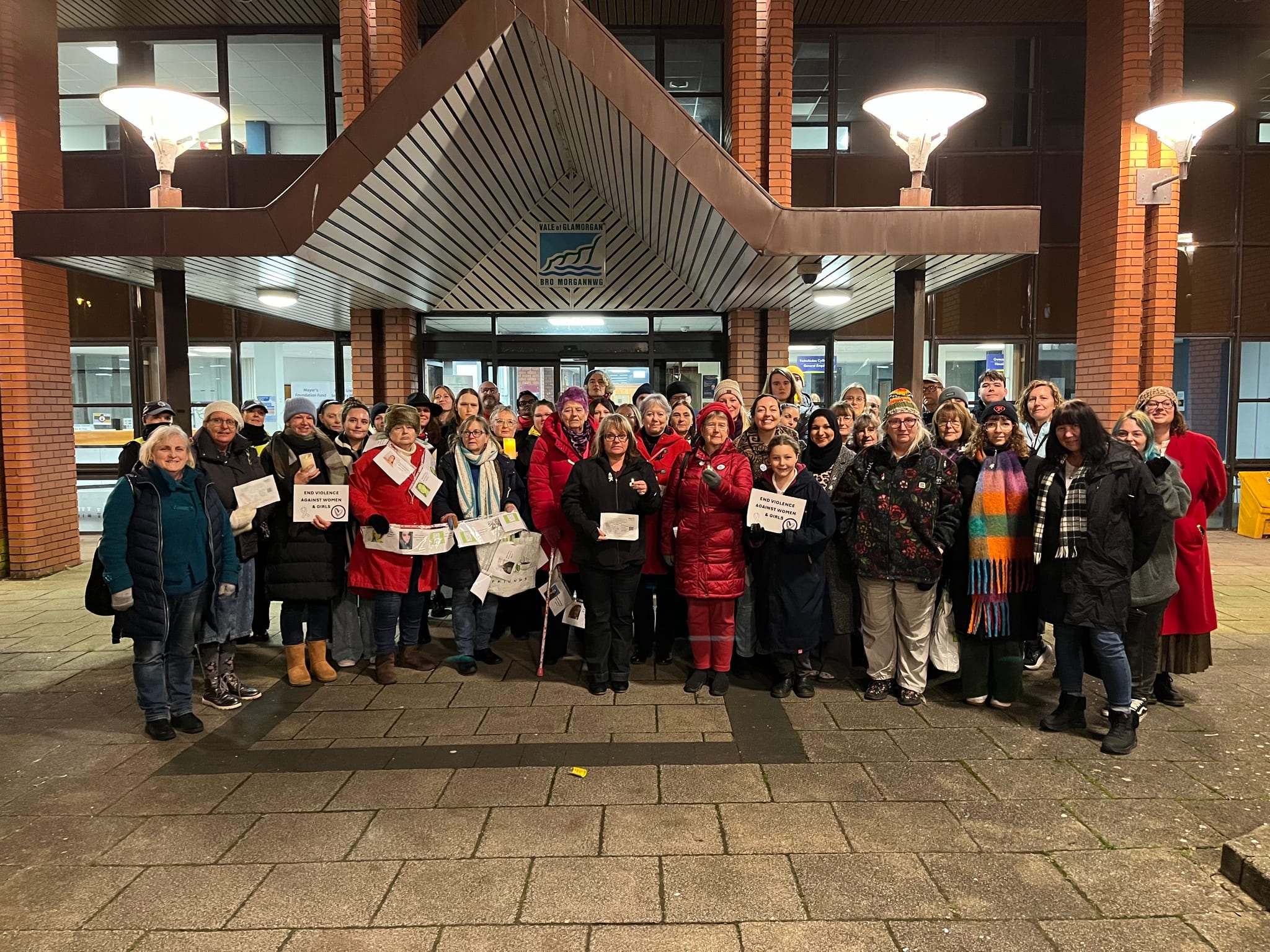 Vale community invited to stand together against domestic abuse at White Ribbon Day candle vigil
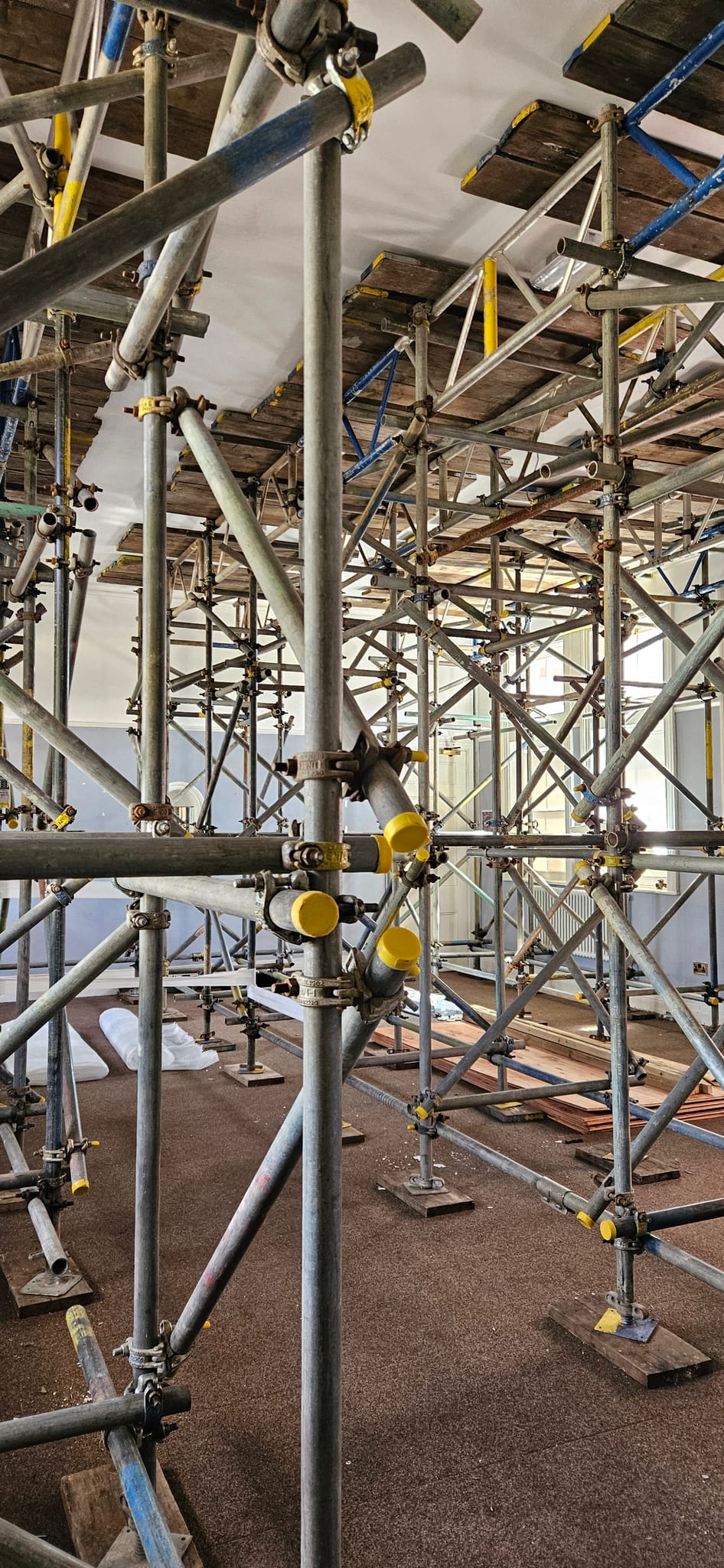 Barry Museum plans spring 2027 reopening following repair work
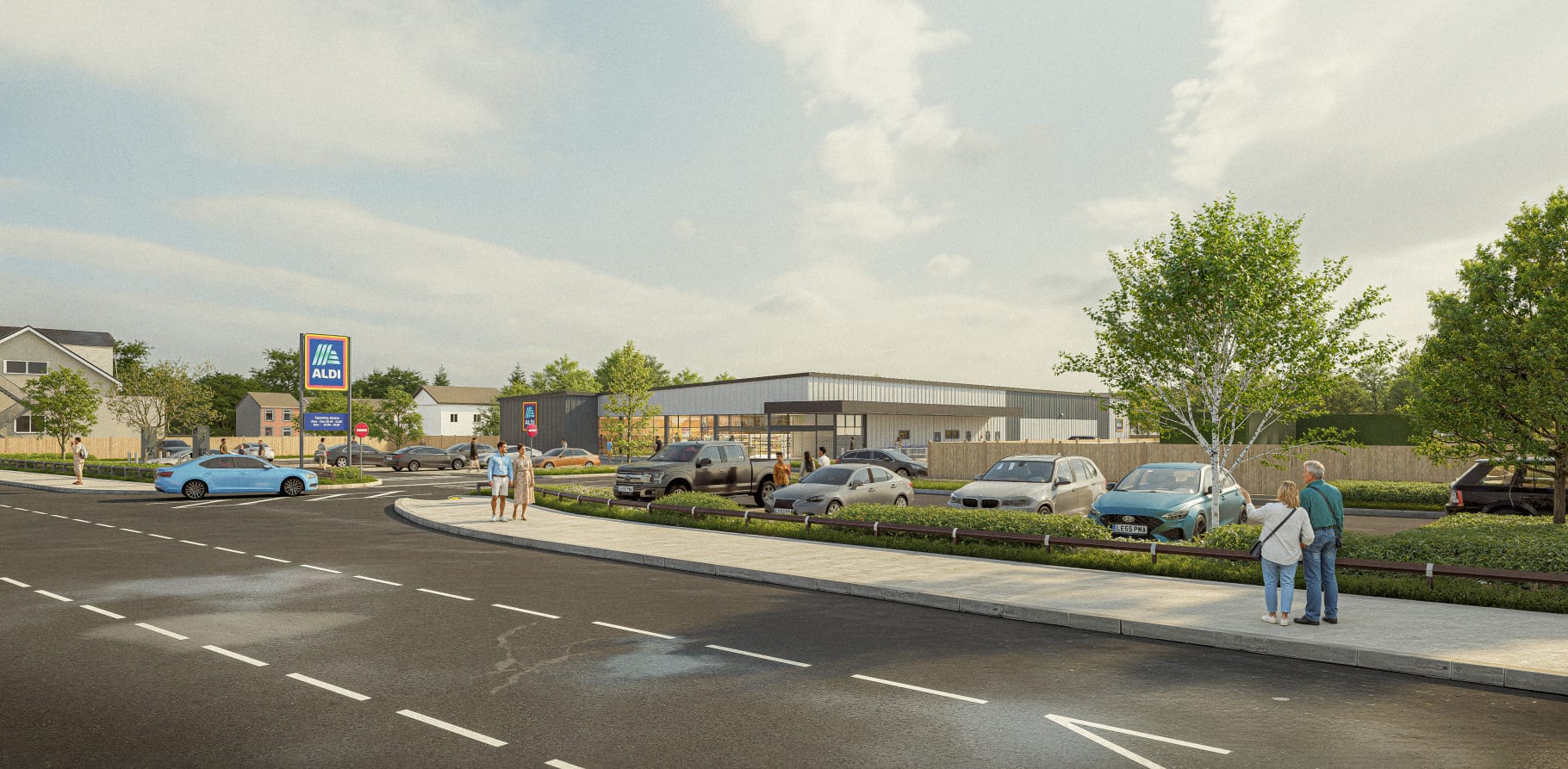 Plans approved for new Aldi supermarket in Barry
 Vale of Glamorgan MP Kanishka Narayan is calling for a national effort to strengthen Britain's defences against AI