


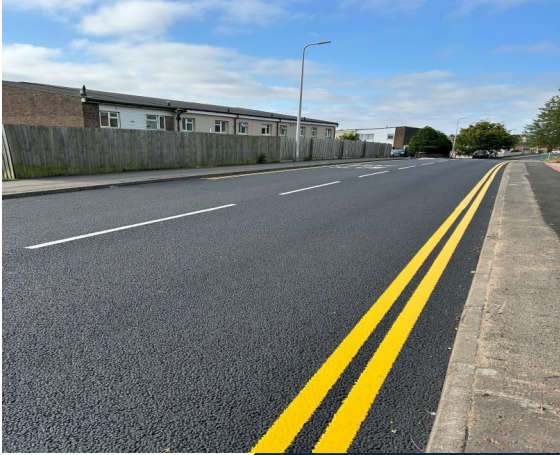
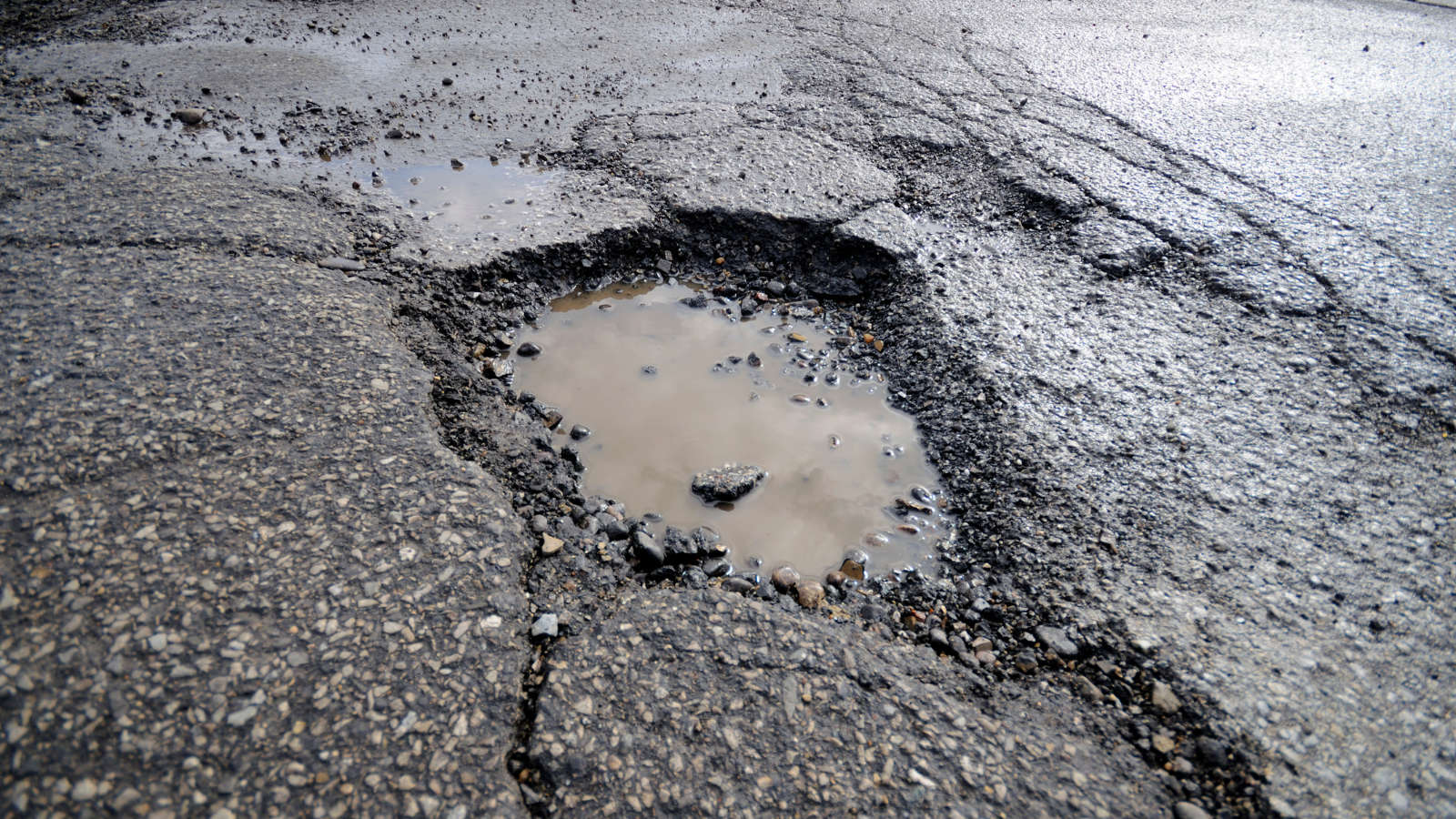
Vale Council chiefs have set out their plans for resurfacing some of the county's roads over the next three years.
Routes such as Port Road East in Barry, Paget Road in Penarth and Grove Road in Llandow are among those at the top end of the priority list.
The council's cabinet has approved proposals, which includes a pilot of a new environmentally friendly way of carrying out resurfacing work.
The list also includes cycling and pedestrian routes.
Cllr Mark Wilson, cabinet member for neighbourhood services and transport, said: "Maintaining our highway network is an important responsibility for this council as is trying to carry out all work in a way that has as little impact on the environment as possible."
"The revised Highway Maintenance three-year resurfacing plan 2024 – 2027 sets out how we will improve roads during this period, which areas will be tackled first and the reasons for this."
Highway engineers in the Vale have assessed all roads needing work over the past 18 months - with a number relating to their condition under a scoring system.
Those that scored highest will be repaired this financial year until the £350,000 allocated for low cost and low carbon treatments has been spent, with the remaining routes earmarked for repair during 2025-26.
Plans also include a list of roads suggested for attention by residents and other stakeholders that are awaiting assessment and a procedure for any emergency repairs to be carried out.
Cllr Wilson added: "In addition, we recently tested a new resurfacing system that is significantly greener than traditional methods."
"Initial results are very encouraging and align perfectly with the council's Project Zero commitment to become carbon neutral by 2030 so we look forward to further exploring this option."
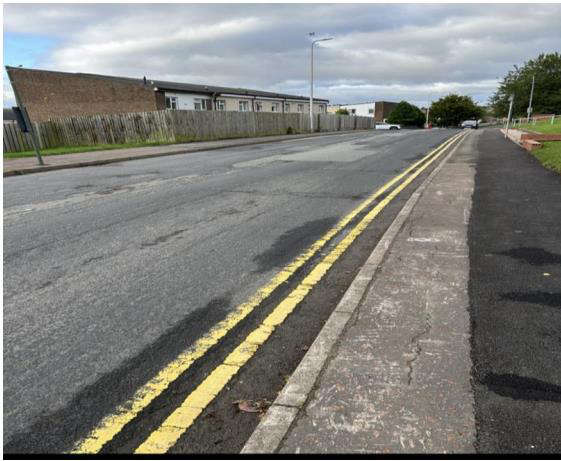
The new system involves a substance called Biopave, which was recently tested on Skomer Road in Barry.
It's designed to reduce significantly the environmental impact of resurfacing and maintenance work.
Carbon is captured within the road surface, which means it cannot be released into the atmosphere and the use of recycled materials substantially lowers greenhouse gas emissions as these do not need to be quarried.
The durability of the Biopave system, which has a five-year warranty instead of one, also means roads require less frequent maintenance, decreasing the amount of materials used and money spent in the long run.
The durability of the Biopave system, which has a five-year warranty instead of one, also means roads will require less frequent maintenance, decreasing the amount of materials used and money spent in the long run.
Already, the council is making use of other low-cost and low carbon road treatments including surface dressing, which is a type of sealant, and micro asphalt, which can be laid more thinly and requires less heat than alternatives.
 Plans are under consideration to build over 200 houses in a sleepy Welsh village
 Sanitary disposal bins introduced in men's public toilets following "Bins for Boys" campaign
 Officers called to Dinas Powys Woods after young person enters the river
 Three Reform candidates quit in Pen-y-Bont Bro Morgannwg constituency
 Six events taking place in the Vale of Glamorgan this weekend
 Vale Council signs off placemaking plan for Barry
 Plans filed to use Blackweir Fields for a series of live events this summer
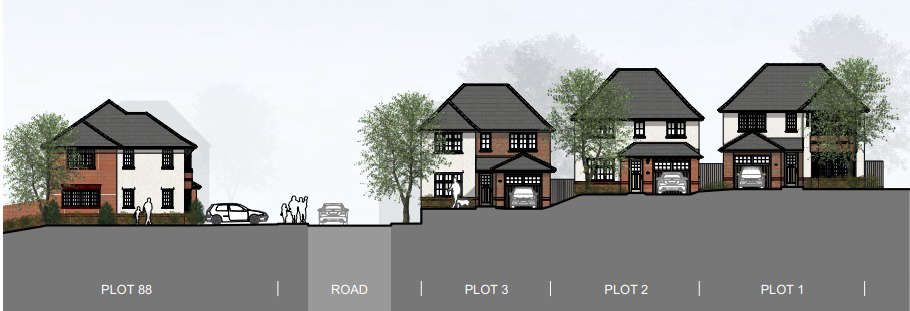 Plans filled for controversial housing development in Cowbridge
 Cardiff Council pledges to work with new Welsh Government to tackle trouble-plagued hospital
 Two local candidates stand down after revelations
 RNLI issues Sully Island safety advice after first call out of the year to the Island
 Morio Lounge on course to open at Nell's Point in May
 Vale Council appoints specialist contractors to carry out road improvements
 Three men jailed for their roles running a drugs line which supplied cocaine in Barry
 Police appeal for witnesses after fatal Penarth Road collision
 New Beach and country park facilities opened following major investement
 RNLI centre at Barry Island welcomes lifeguards back to Whitmore Bay
 Severn tidal lagoons progress