

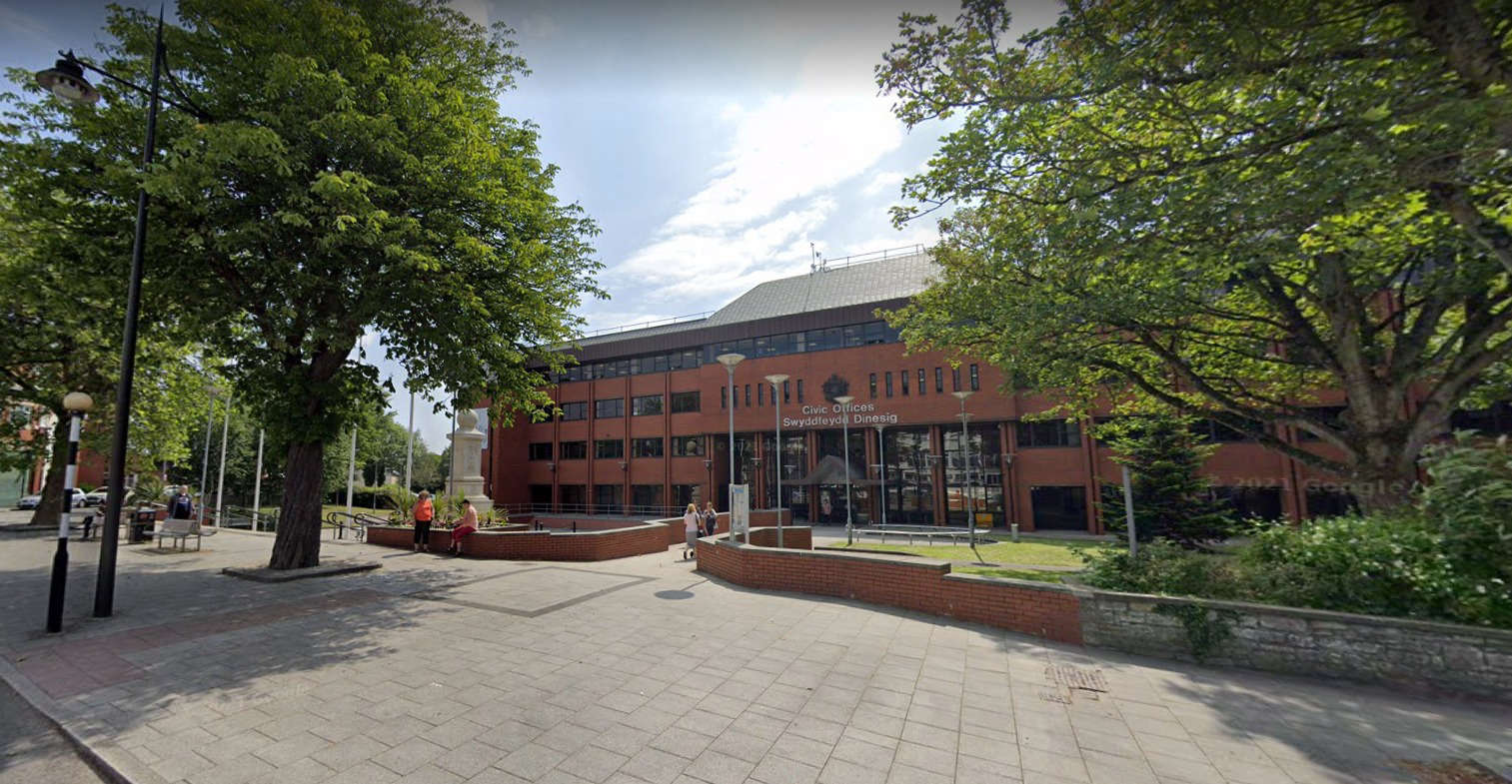
Rents for council housing in the Vale of Glamorgan could go up by more than 4% in the spring.
The council is proposing to increase its rents by an average of 4.3%, which is the maximum allowable uplift set by the Welsh Government for 2026-27.
The council says it reflects the current financial situation, with high interest rates and inflationary cost pressures in delivering current priorities and commitments.
They add it will ensure it can deliver its ongoing ambitions to build new council housing at pace and scale and decarbonise the council housing stock by 2040, and will ensure funding is available to meet the requirements of the new Welsh Housing Quality Standard (WHQS).
Analysis shows an extra £70 million will need to be invested in existing council homes in the next ten-to-fifteen years to bring them up to the WHQS, and £95m is required over the next 30 years to directly respond to decarbonisation.
A report, due to be discussed by the cabinet on Thursday, says this capital investment is only possible if sufficient income is received through rents.
As well as spending on existing stock, the local authority spends its rental income to build new council homes, the report says.
The report adds there are huge pressures on existing social housing, with mre than 7,600 households on the housing waiting list and more than 300 homeless people living in temporary accommodation.
It says additional council housing “is the only way that we can end homelessness and ensure that households have a safe, secure, affordable home”.
In the current financial year (2025-26), the council’s housing development team will have completed 61 new homes across three sites in Barry with construction work at a further five sites which will deliver a further 241 homes.
The report says: “Lower increases in rents have a significant financial impact on the housing business plan and threaten the council’s ability to maintain, improve and build new homes.”
The basis for rent increases is set by the Welsh Government policy for social housing rents and in order to comply with the rent policy, social landlords must ensure their average weekly rents for their general needs and sheltered housing provides value for money and affordability to tenants, the report says.
Comparison of rents with other landlords is carried out annually and shows council rents for three-bedroom homes are 37% lower than private rents for comparable properties and 20% below the local housing allowance for the Vale of Glamorgan.
The difference for smaller properties such as one-bed flats is smaller, with council rents being 28% lower than private rents and 6% below the local housing allowance rate, although there are currently no properties of this type available in the Vale of Glamorgan to rent at the local housing allowance rate.
The report said council rents also remain less than the average housing association rent for the area.
It notes the council’s housing income team supports tenants to pay their rent and specialist money advisors assist with budgeting advice, claiming benefits, income maximisation and securing grants and other support.
The Welsh Government recently announced the social rent settlement for 2026-27, alongside a package of support for social tenants who are struggling financially.
The rent of freestanding garages is currently £10.06 per week and it is proposed that this is increased by 4.3% to £10.49 per week.
At Ty Iolo hostel, the current charge is £223.95 per week and it is proposed that this is increased by 4.3% to £233.58.
The property at 28 Evans Street, Barry, is owned by the council and let to Llamau Housing Trust and is made up of six units of accommodation. The current weekly charge is £728.46, with the proposal that this be increased to £759.78.
When it comes to temporary accommodation, the average current weekly charge, including additional management, utility and service charge costs, is £220.79. It is proposed the rent element be increased by 4.3%, bringing the total charge to £230.28.
For sheltered housing guest suites, the proposal is to increase charges to £18.27 per person per night for double occupancy and £26.13 for single occupancy.
The cost of providing heating to sheltered properties has increased but it is proposed the charge be decreased from £21.32 per week to £12.12 based on actual costs incurred in the 12 months before the budgeting period.
And the report says warden management costs have increased, with the proposal being that the charge rise from £12.55 per week to £13.03.
If approved by cabinet, it will go to full council next Monday (January 12th) for final approval, with the changes due to come in from April 2026, with the first week of April being a non-chargeable rent week.
Increase notices will be sent to tenants two months in advance of the new charges coming into effect.
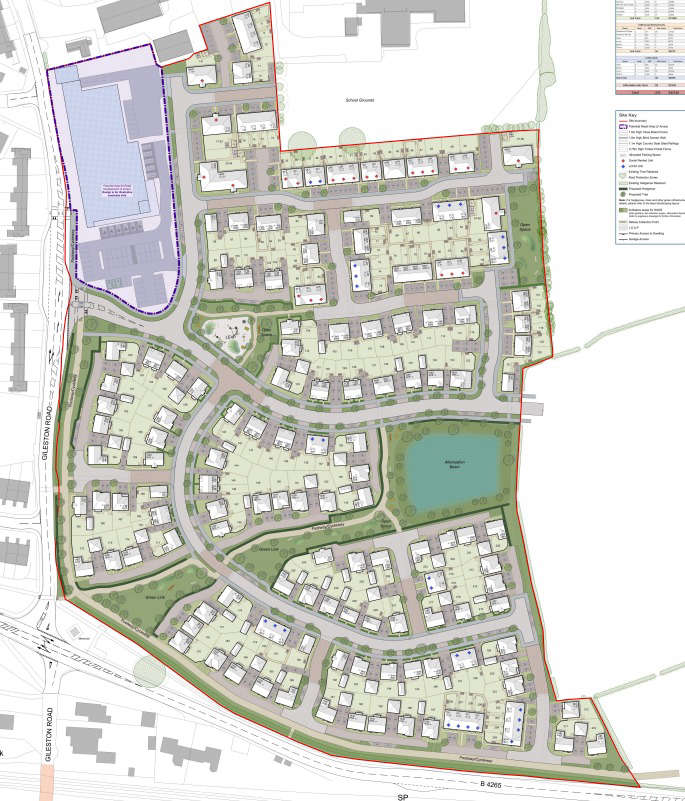 Plans are under consideration to build over 200 houses in a sleepy Welsh village
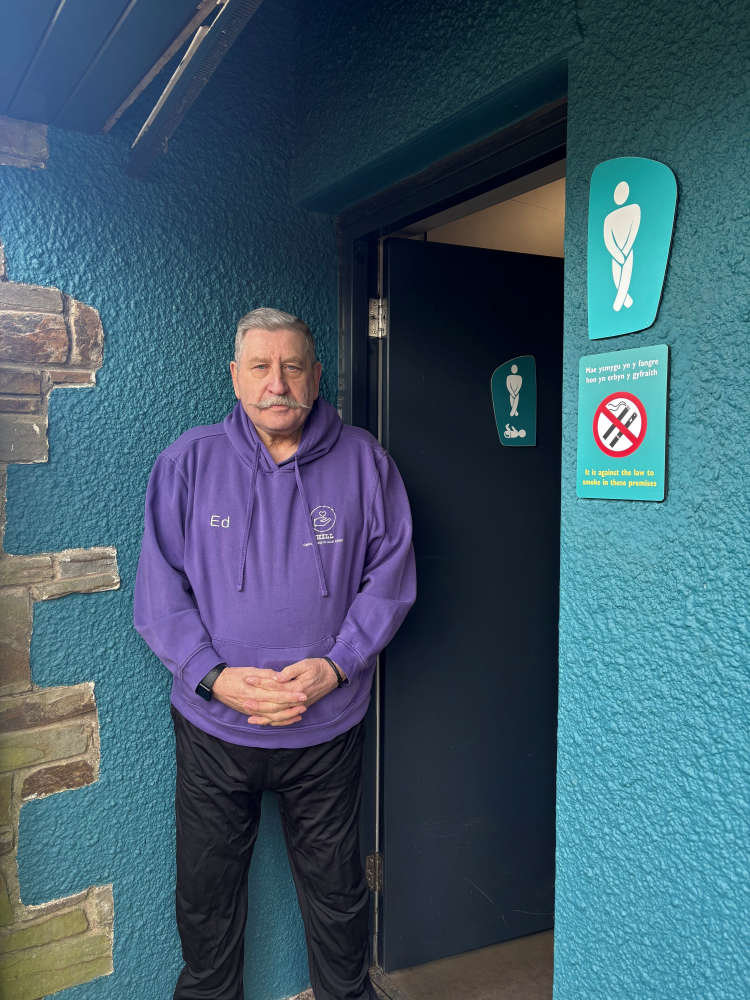 Sanitary disposal bins introduced in men's public toilets following "Bins for Boys" campaign
 Officers called to Dinas Powys Woods after young person enters the river
 Three Reform candidates quit in Pen-y-Bont Bro Morgannwg constituency
 Six events taking place in the Vale of Glamorgan this weekend
 Vale Council signs off placemaking plan for Barry
 Plans filed to use Blackweir Fields for a series of live events this summer
 Plans filled for controversial housing development in Cowbridge
 Cardiff Council pledges to work with new Welsh Government to tackle trouble-plagued hospital
 Two local candidates stand down after revelations
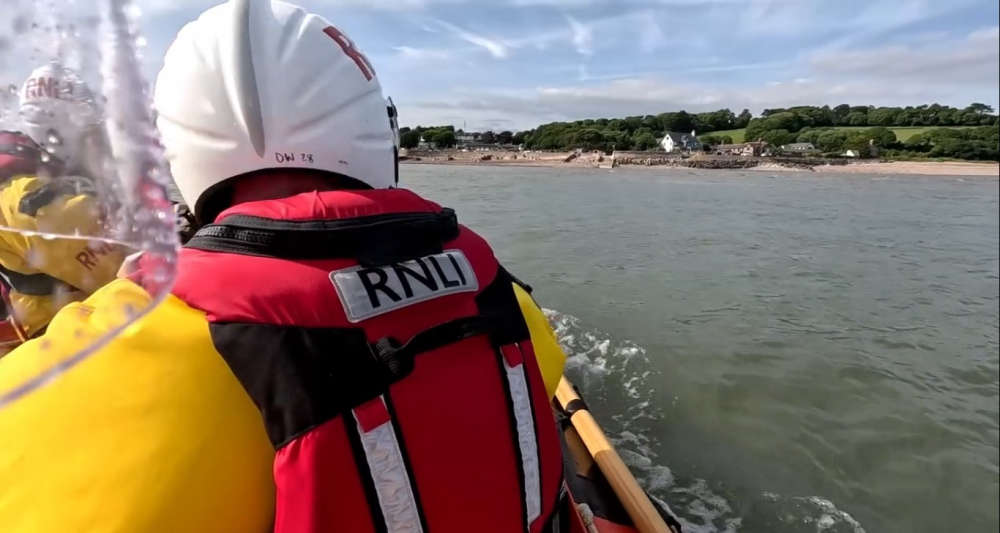 RNLI issues Sully Island safety advice after first call out of the year to the Island
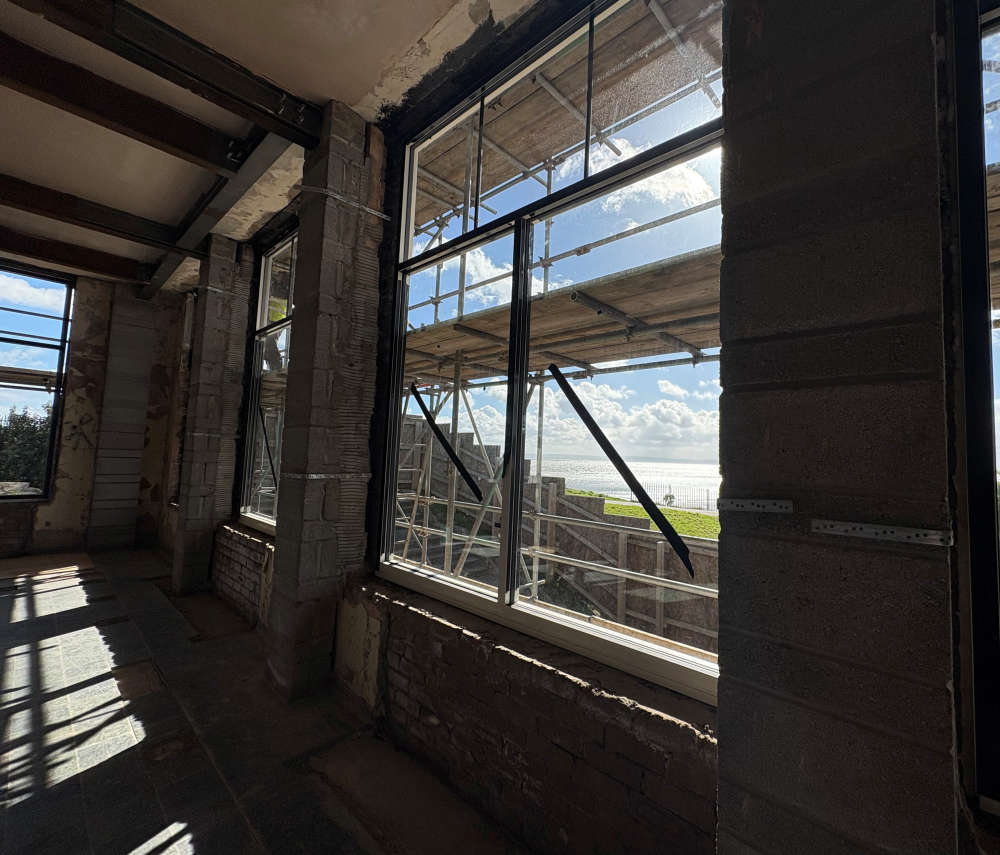 Morio Lounge on course to open at Nell's Point in May
 Vale Council appoints specialist contractors to carry out road improvements
 Three men jailed for their roles running a drugs line which supplied cocaine in Barry
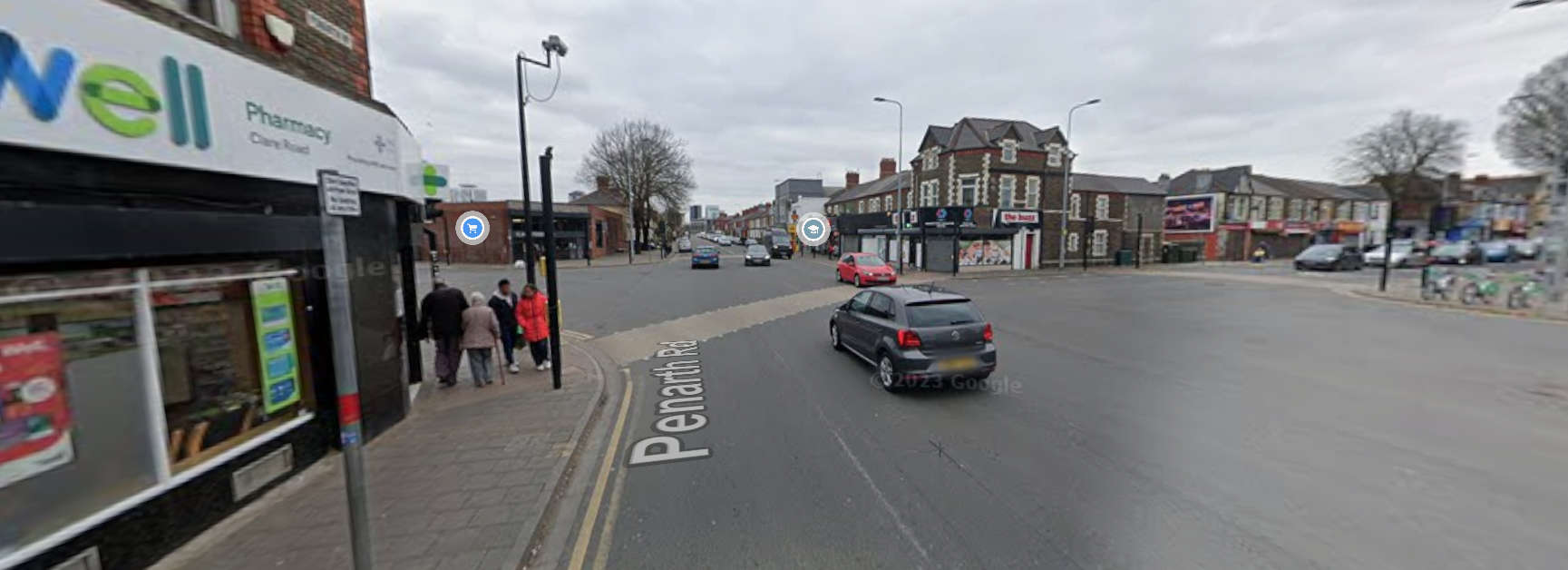 Police appeal for witnesses after fatal Penarth Road collision
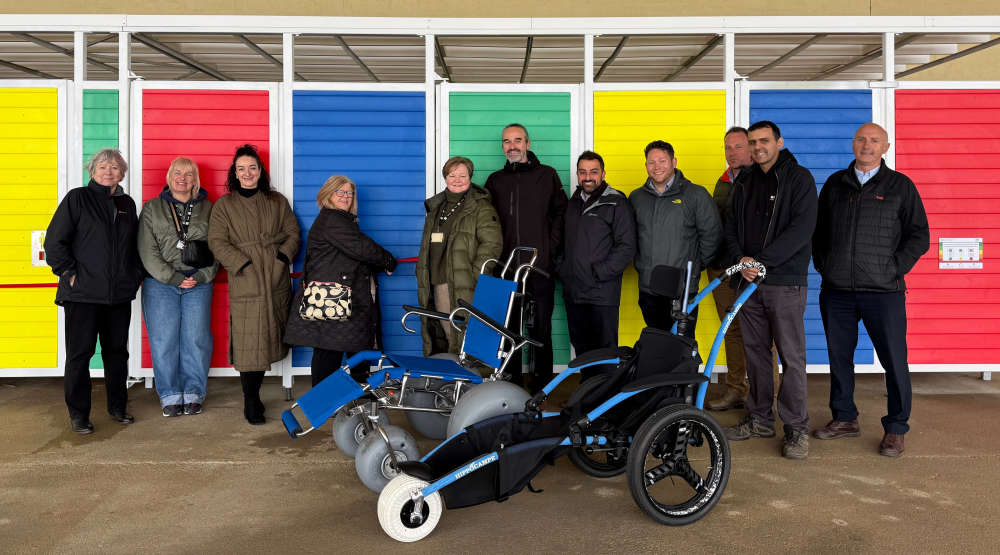 New Beach and country park facilities opened following major investement
 RNLI centre at Barry Island welcomes lifeguards back to Whitmore Bay
 Severn tidal lagoons progress