

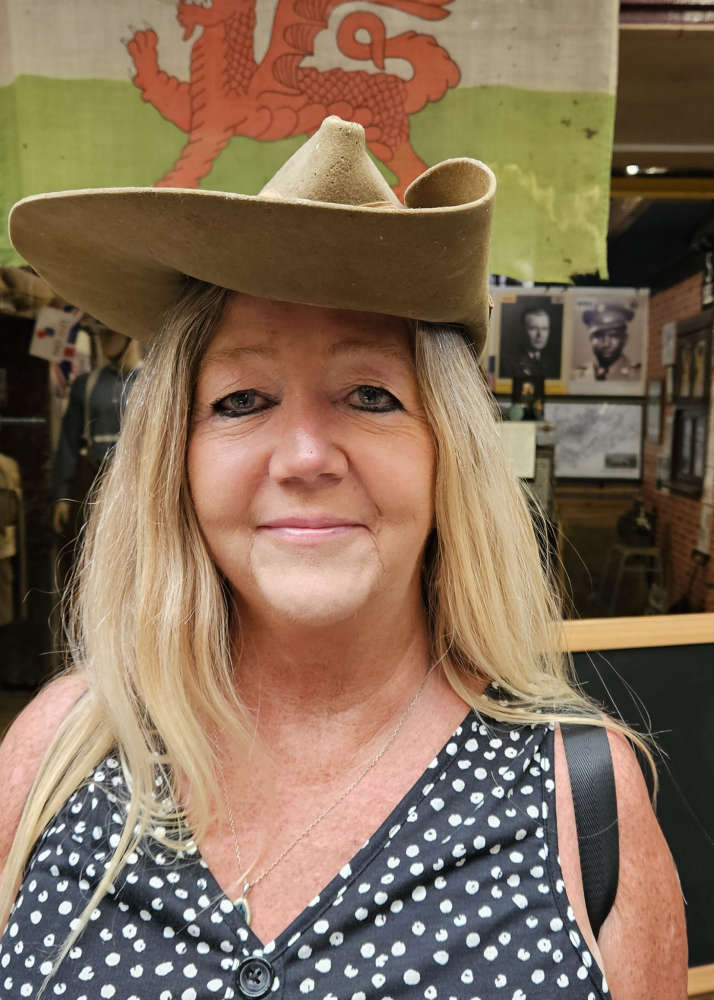
Deborah Boyle shared the story of her grandfather at a special open day.
Inspiring stories of local heroes who served the Far East during World War II were shared at the Barry Museum & Heritage Centre in a special open day commemorating Victory over Japan Day (VJ Day) commemoration on August 15th which marked the end of World War 2.
The story of her grandfather, Private Ernest Lewis was shared by granddaughter Deborah Boyle.
Ernest’s Chindit hat is now a prized family heirloom along with a surviving blood-stained silk map.
Ernest was a former pupil of Holton Road, and the County schools.
Serving in the 1st South Staffordshire Regiment, Ernest in March 1944 flew in by glider 150 miles behind enemy lines to cut all road, rail and river communications of the Japanese army. Many did not survive the flight. He had to carry around 55ilb and leading mules through treacherous jungle during Monsoon.
Shot by a Japanese sniper and carried to safety by a Gurkha, Ernest awoke to find leeches on his wounds to suck out any infections.
“My grampy was the kindest man I’ve ever known”. said Deborah Boyle. “Despite the horrors he saw and went through, I’m immensely proud of him. He sadly passed in 2007, aged 87, and is still greatly missed. He was part of the ‘forgotten army’. I will never forget him.”
There are 449 Barry and Vale service personnel buried or commemorated in the Far East campaign.
Fighting in the Asia-Pacific took place from Hawaii to North-East India. The British and the Commonwealth’s principal fighting force, the Fourteenth Army, in the Burma campaign featured the largest army group of nearly 1.3 million men and women ever assembled by the British Commonwealth and its Allies. It was one of the most diverse in history - over 40 languages were spoken, and all the world’s major religions represented. Today, descendants of many of the Commonwealth veterans are part of Britain’s multicultural communities.
They faced the danger of tropical diseases, as well as Japanese forces. Over 140,000 prisoners of war and civilian internees were treated with at best indifference and, at worst, considerable brutality. Forced into hard labour, including building the infamous ‘Burma Railway’, where 12,493 died, one third of the entire force sent, while the Far East prison camps witnessed a death rate of over 20%, seven times that experienced in German camps.
“The Museum celebrates the stories of ‘ordinary’ local people thrust into extraordinary times. We remember the contribution of all Commonwealth and Allied Forces, without whom victory and the freedoms and way of life we enjoy today would not have been possible.” said John Buxton, Chairperson of the Barry War Museum & Heritage Centre CIC.
The Barry War Museum & Heritage Centre at its Barry Island Station home educates visitors about Barry’s wartime story and fight against fascism, featuring an original World War 2 Anderson shelter, a 1940s kitchen, and a World War 1 trench. The Museum is brought further alive with volunteer reenactors telling the story of the Home Front as well as of the armed services. Find out more at www.barrywarmuseum.co.uk
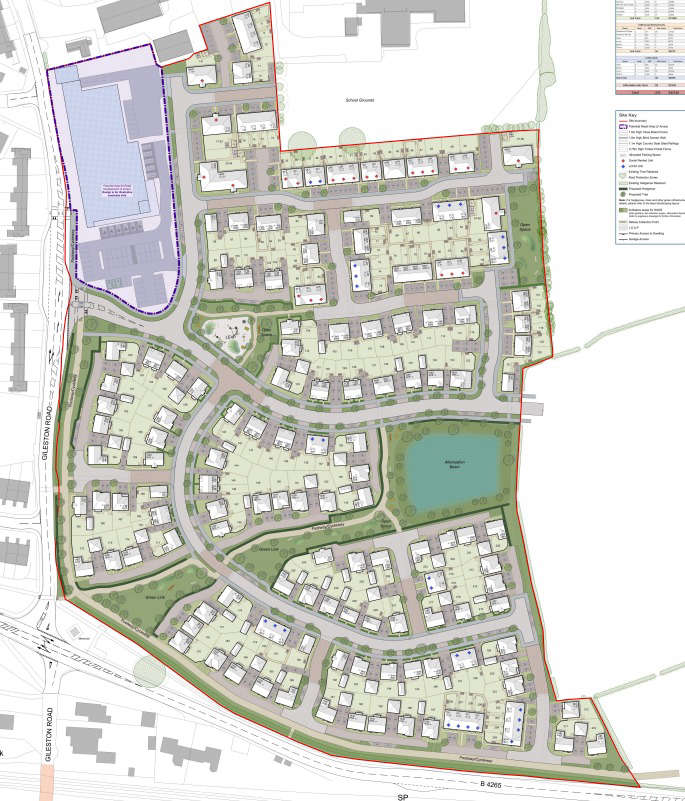 Plans are under consideration to build over 200 houses in a sleepy Welsh village
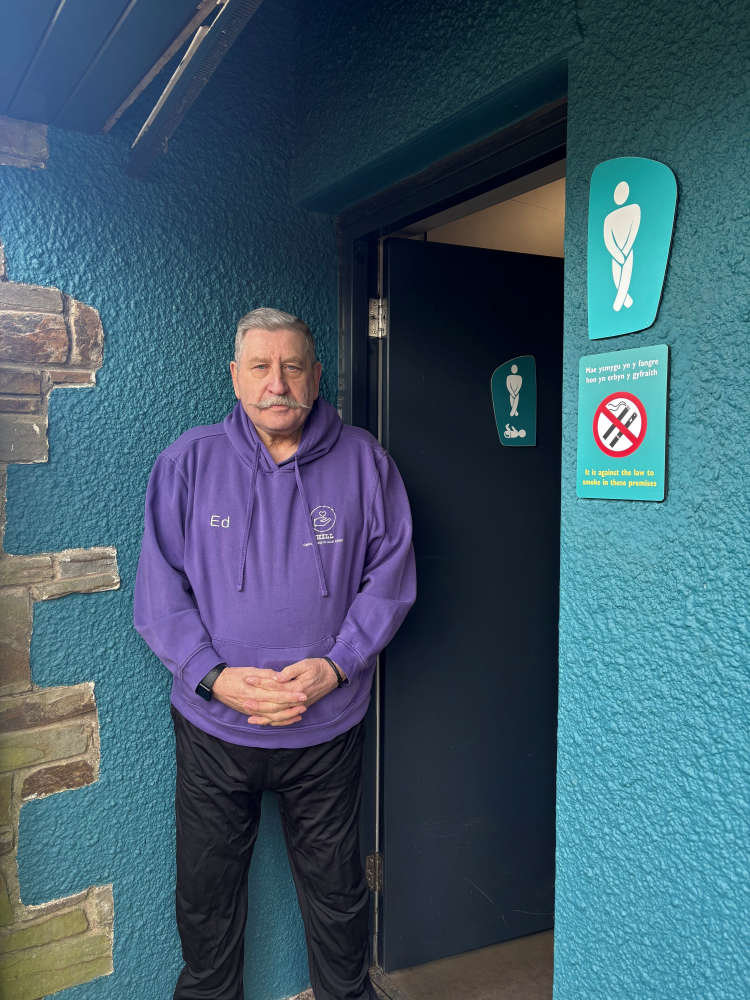 Sanitary disposal bins introduced in men's public toilets following "Bins for Boys" campaign
 Officers called to Dinas Powys Woods after young person enters the river
 Three Reform candidates quit in Pen-y-Bont Bro Morgannwg constituency
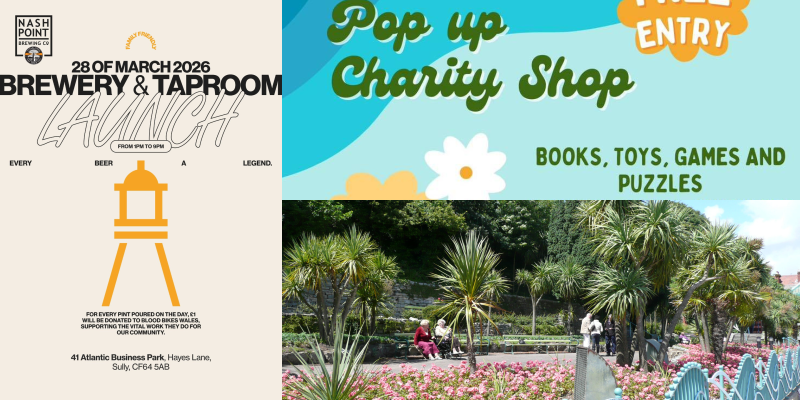 Six events taking place in the Vale of Glamorgan this weekend
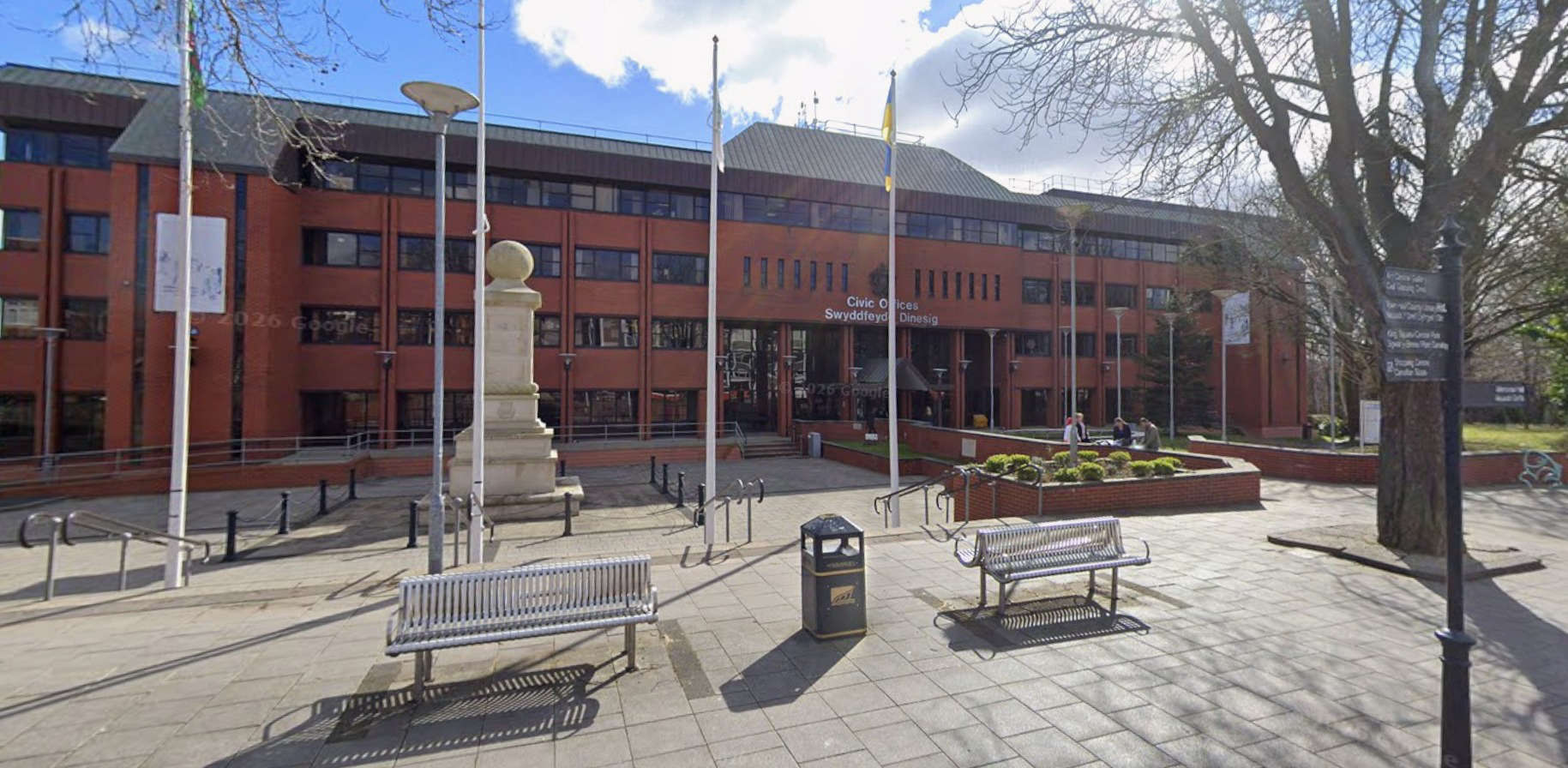 Vale Council signs off placemaking plan for Barry
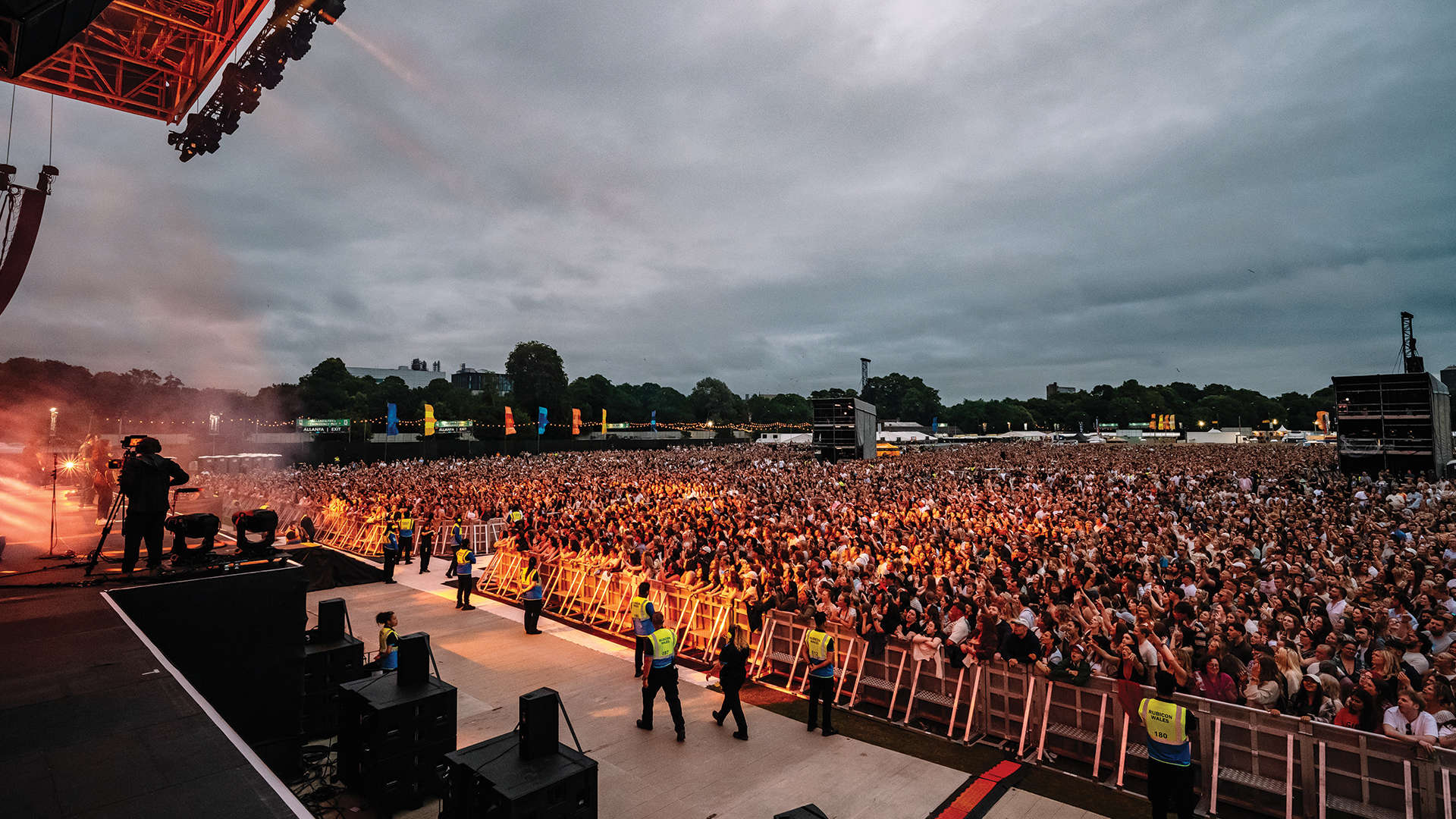 Plans filed to use Blackweir Fields for a series of live events this summer
 Plans filled for controversial housing development in Cowbridge
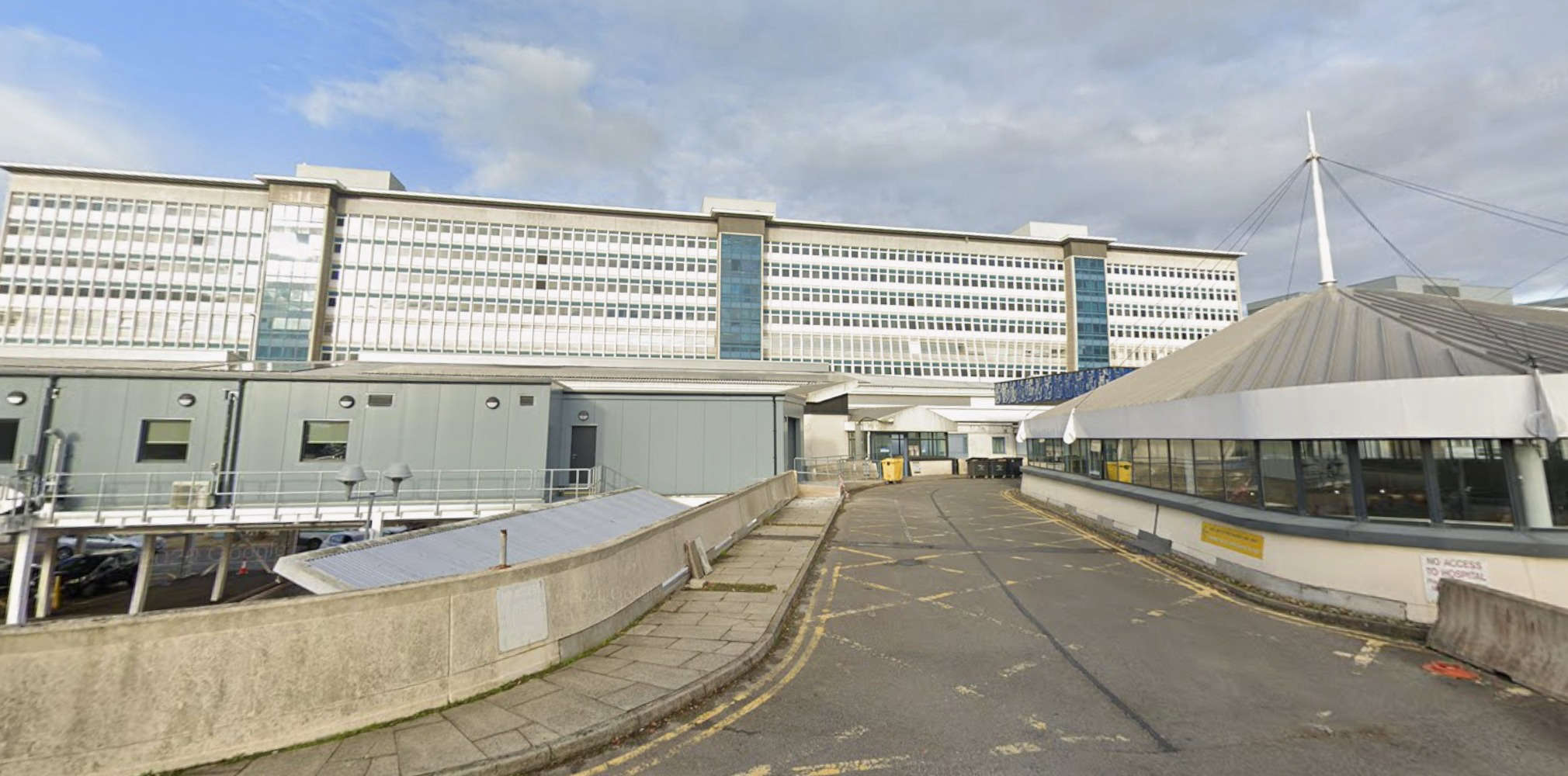 Cardiff Council pledges to work with new Welsh Government to tackle trouble-plagued hospital
 Two local candidates stand down after revelations
 RNLI issues Sully Island safety advice after first call out of the year to the Island
 Morio Lounge on course to open at Nell's Point in May
 Vale Council appoints specialist contractors to carry out road improvements
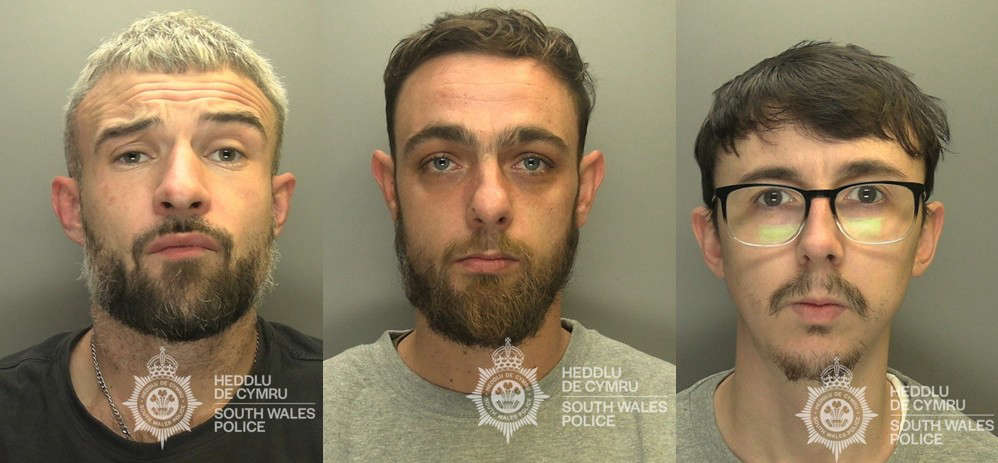 Three men jailed for their roles running a drugs line which supplied cocaine in Barry
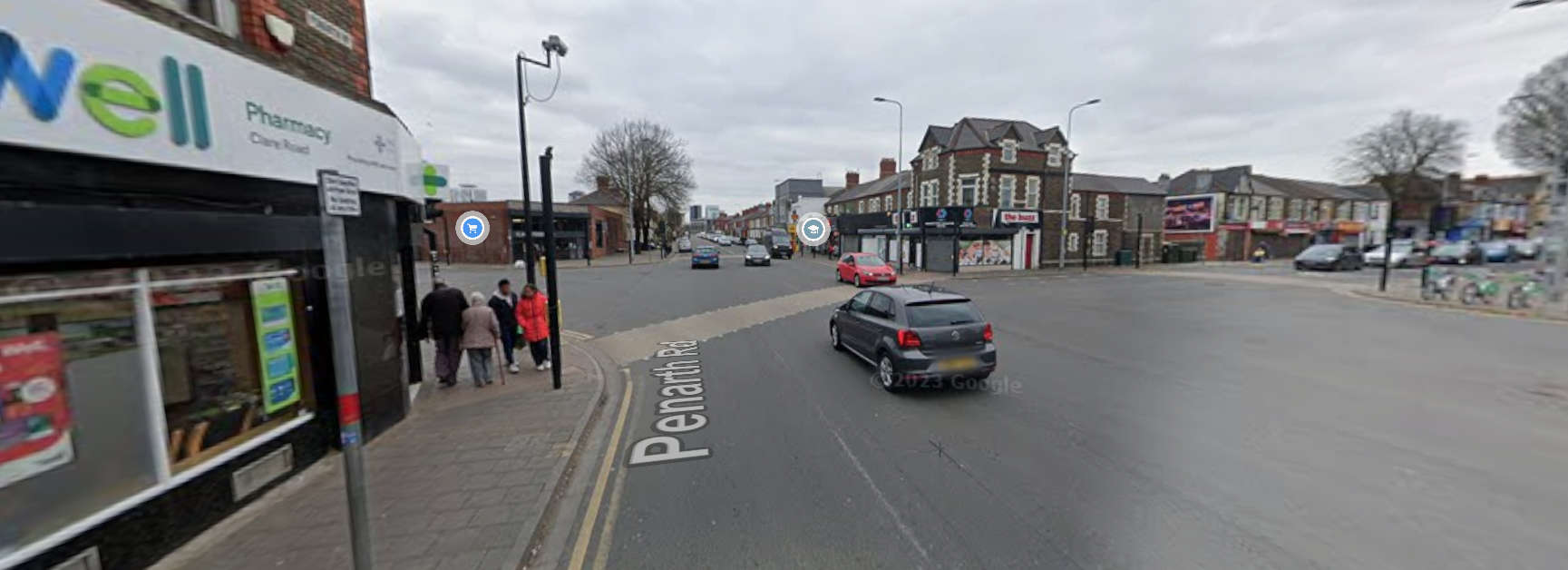 Police appeal for witnesses after fatal Penarth Road collision
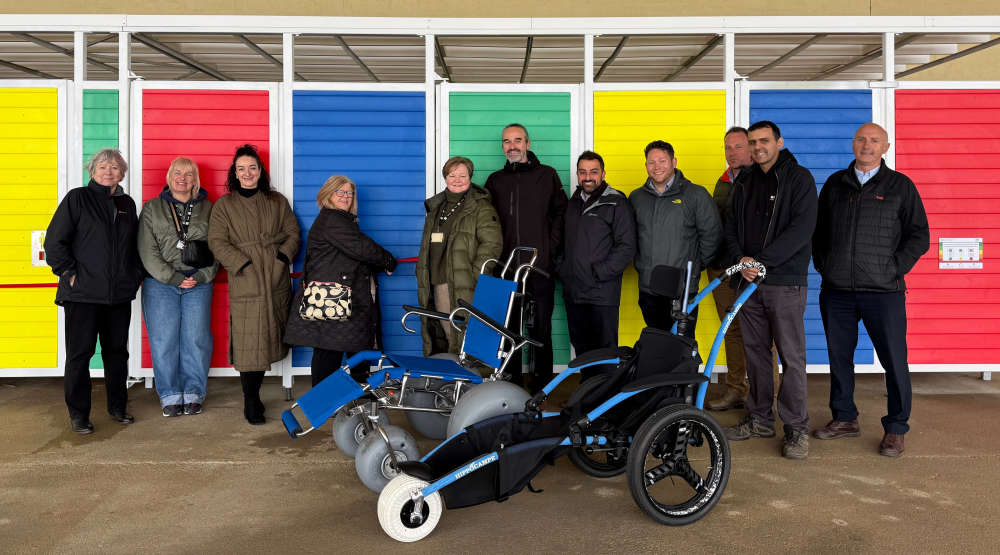 New Beach and country park facilities opened following major investement
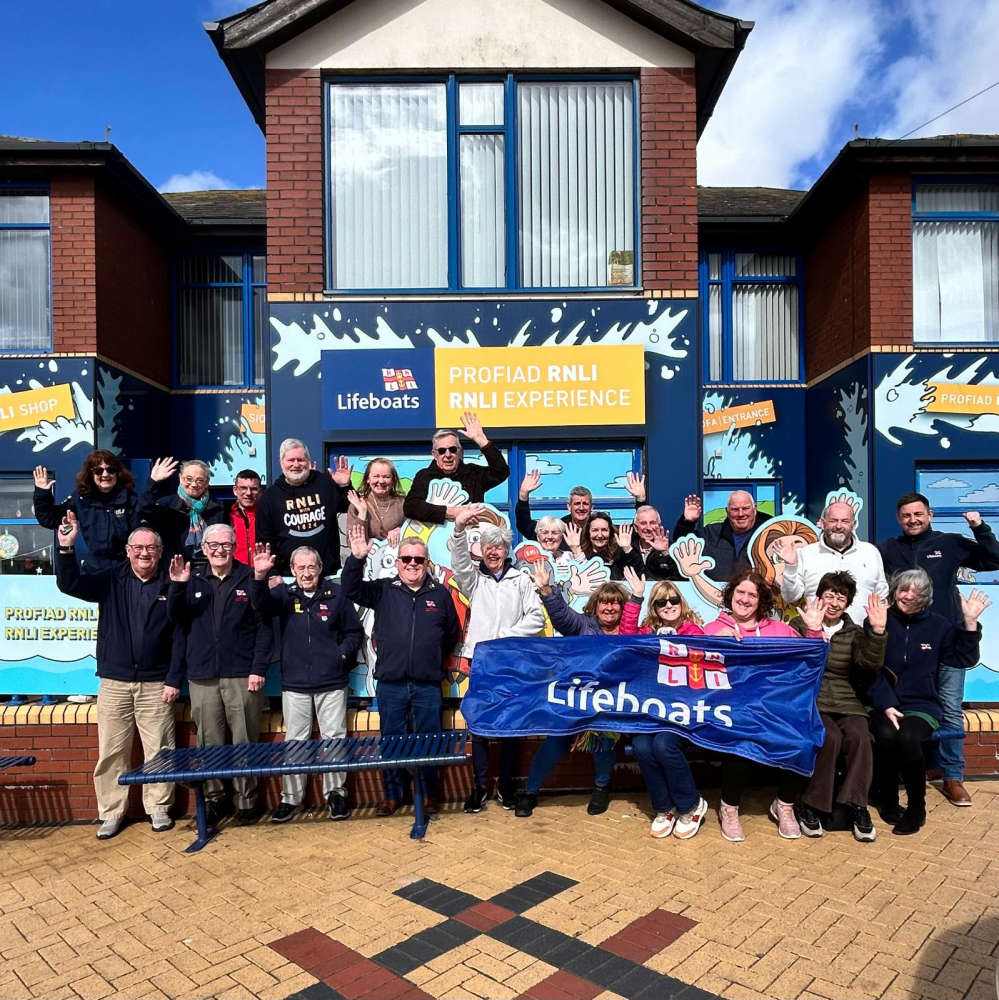 RNLI centre at Barry Island welcomes lifeguards back to Whitmore Bay
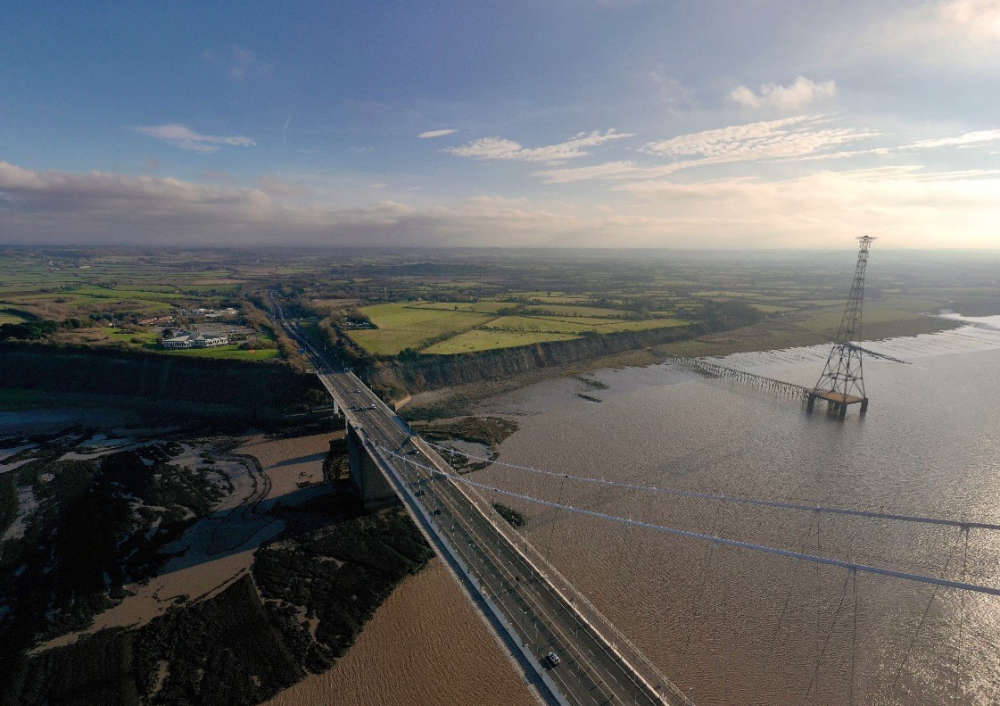 Severn tidal lagoons progress