


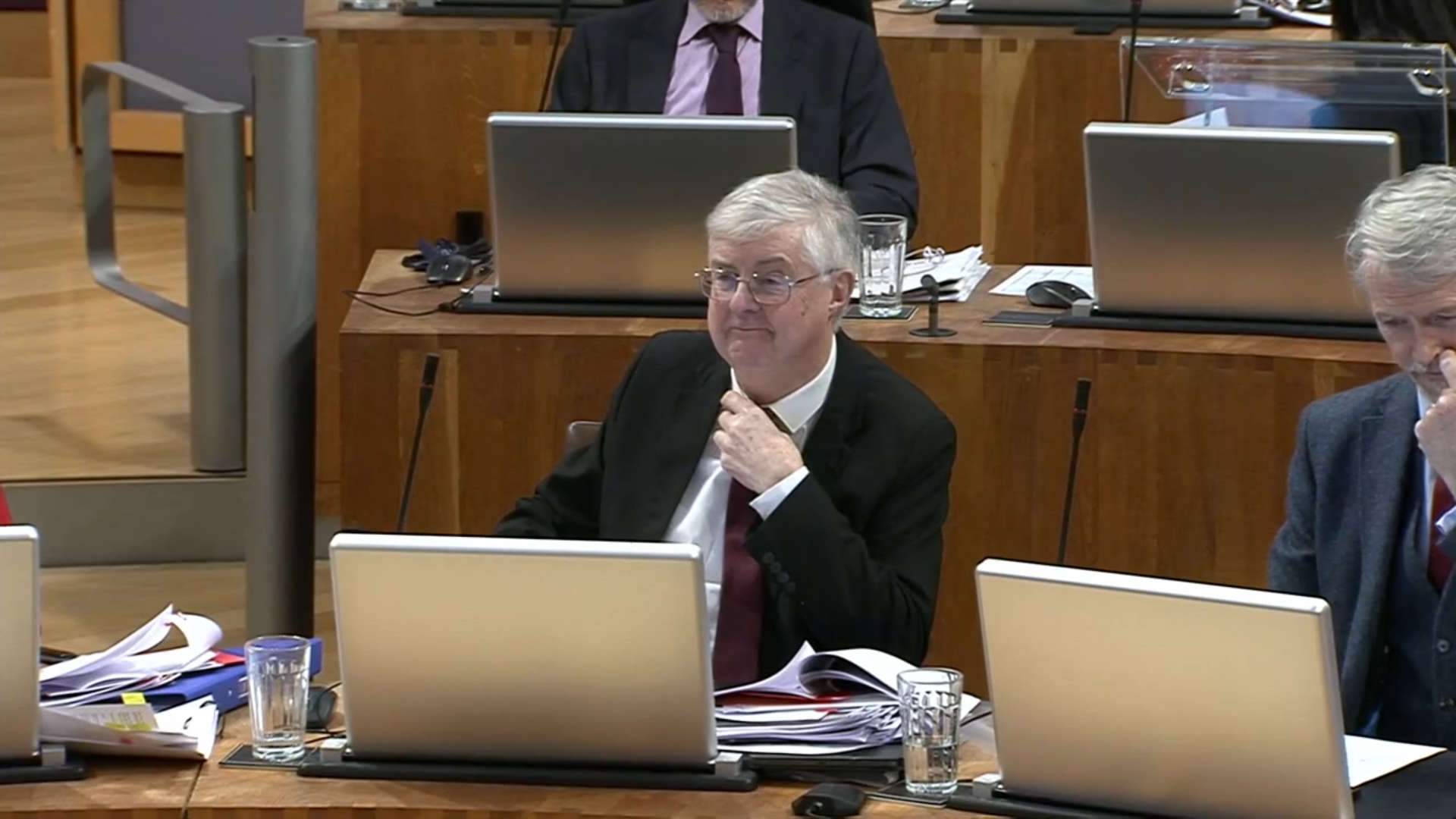
Mark Drakeford unveiled plans to cut business rates for around 13,000 smaller "bricks and mortar" shops while raising the amount payable for higher value properties.
The first minister-turned-finance secretary launched a 12-week consultation on proposals to adjust the multipliers for business rates, which are officially known as non-domestic rates.
In a written statement on Tuesday, Prof Drakeford said the Welsh Government intends to make use of new powers to bring in "differential multipliers" for the first time from April 2026.
He proposed introducing a lower multiplier – a key determinant of bills – for small- to medium-sized retail shops, kiosks and post offices, with a rateable value below £51,000.
"This proposal recognises the unique challenges faced by the 'bricks and mortar' retail sector, not least through their exposure to competition from online retailers," he said.
"It would be intended to help rebalance the non-domestic rates system in favour of retail shops, to support the ongoing viability and sustainability of the sector."
'Modest'
Prof Drakeford said the Welsh Government also plans to bring in a higher multiplier for the largest properties, with rateable values of more than £100,000.
He wrote: "This would help to offset the revenue...forgone through the proposed retail multiplier and ensure the standard multiplier (applicable to all properties which would not be subject to the retail or higher multiplier) could be set at the lowest possible level."
Prof Drakeford added: "The first use of any new powers will highlight practical considerations which inevitably arise in implementing innovative policy action.
"This relatively modest proposal will allow these matters to be identified and resolved, laying the ground for further reform in the future."
The levels of multipliers will be determined as part of the Welsh Government's 2026/27 budget, which will be set at the end of 2025, taking the next rates revaluation into account.
According to the consultation, the increase in the higher multiplier would offset revenue lost through the retail multiplier – with no change in the overall amount raised.
Exceptions
Around 3,200 properties in Wales would pay rates based on the higher multiplier.
The higher multiplier would not apply to properties occupied by public sector bodies, such as hospitals, surgeries, schools, colleges, museums, universities, courts and police stations.
But the consultation document warned it would not be possible to exclude more generic property types, such as offices, occupied by public services.
A lower multiplier applies to properties in England with rateable values under £51,000, and further lower multipliers for retail, leisure and hospitality properties are on the horizon.
The UK Government will also introduce a higher multiplier for properties with rateable values of £500,000 and above in 2026/27.
Scotland sets three differential multipliers and in Northern Ireland, a central rate is supplemented by a rate set by each district council.
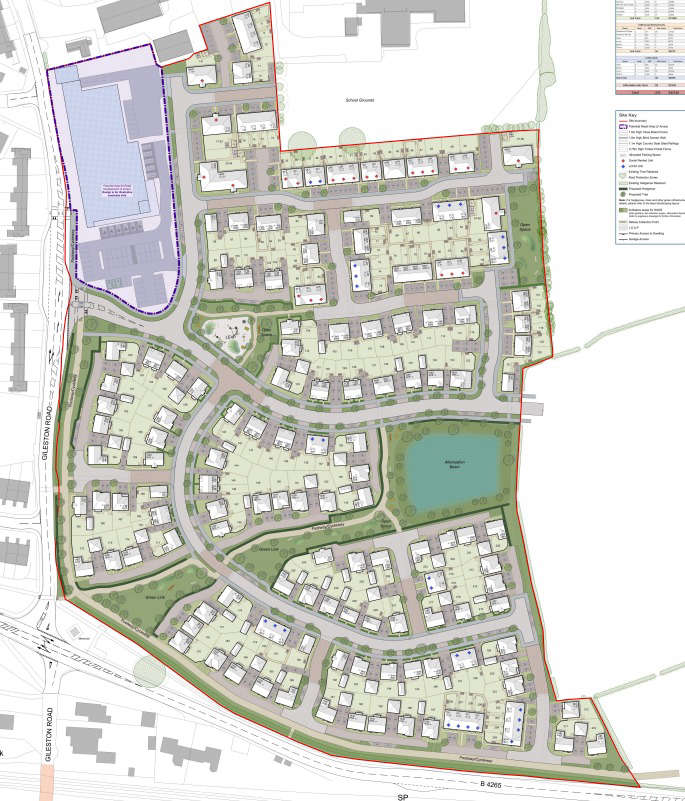 Plans are under consideration to build over 200 houses in a sleepy Welsh village
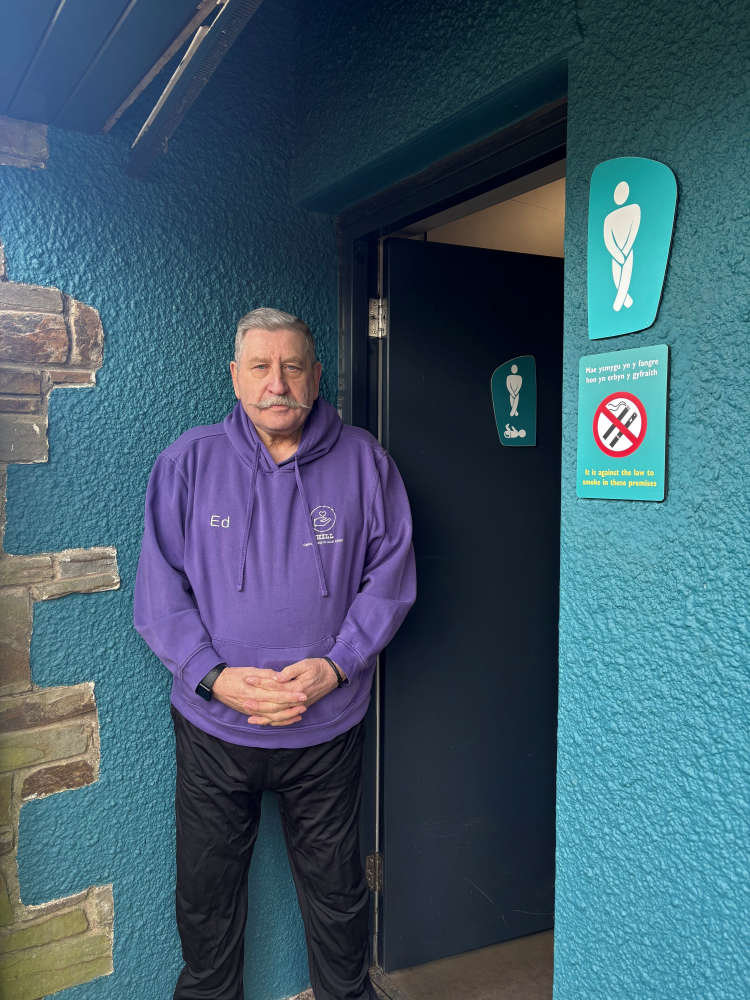 Sanitary disposal bins introduced in men's public toilets following "Bins for Boys" campaign
 Officers called to Dinas Powys Woods after young person enters the river
 Three Reform candidates quit in Pen-y-Bont Bro Morgannwg constituency
 Six events taking place in the Vale of Glamorgan this weekend
 Vale Council signs off placemaking plan for Barry
 Plans filed to use Blackweir Fields for a series of live events this summer
 Plans filled for controversial housing development in Cowbridge
 Cardiff Council pledges to work with new Welsh Government to tackle trouble-plagued hospital
 Two local candidates stand down after revelations
 RNLI issues Sully Island safety advice after first call out of the year to the Island
 Morio Lounge on course to open at Nell's Point in May
 Vale Council appoints specialist contractors to carry out road improvements
 Three men jailed for their roles running a drugs line which supplied cocaine in Barry
 Police appeal for witnesses after fatal Penarth Road collision
 New Beach and country park facilities opened following major investement
 RNLI centre at Barry Island welcomes lifeguards back to Whitmore Bay
 Severn tidal lagoons progress