



Eight people were rescued in just five days by lifeboat crews after they were cut off by the tide at Sully Island.
The RNLI at Barry Dock says it was called out to two such incidents last week.
Last year, the lifeboat charity formed a specalist water safety team at Sully Island with volunteers from both Penarth and Barry Dock RNLI stations carrying out patrols and offering advice to visitors about tide times, safe crossing points and the risks involved
But the team is not resuming its work untl the start of the Easter break, with volunteers stationed at the causeway.
The RNLI says rescuing people caught out by the tidal cut off is vital to ensure their safety and wellbeing.
Anna Snow, a volunteer wafer safety officer, said: "Sully Island is a lovely place to explore, but it's vital to respect the water and understand the risks. The tides can be unpredictable and fast-moving depending on where you are along the coast."
"We urge everyone to check tide times, follow safety advice, and always have a means of calling for help. Your safety is our priority."
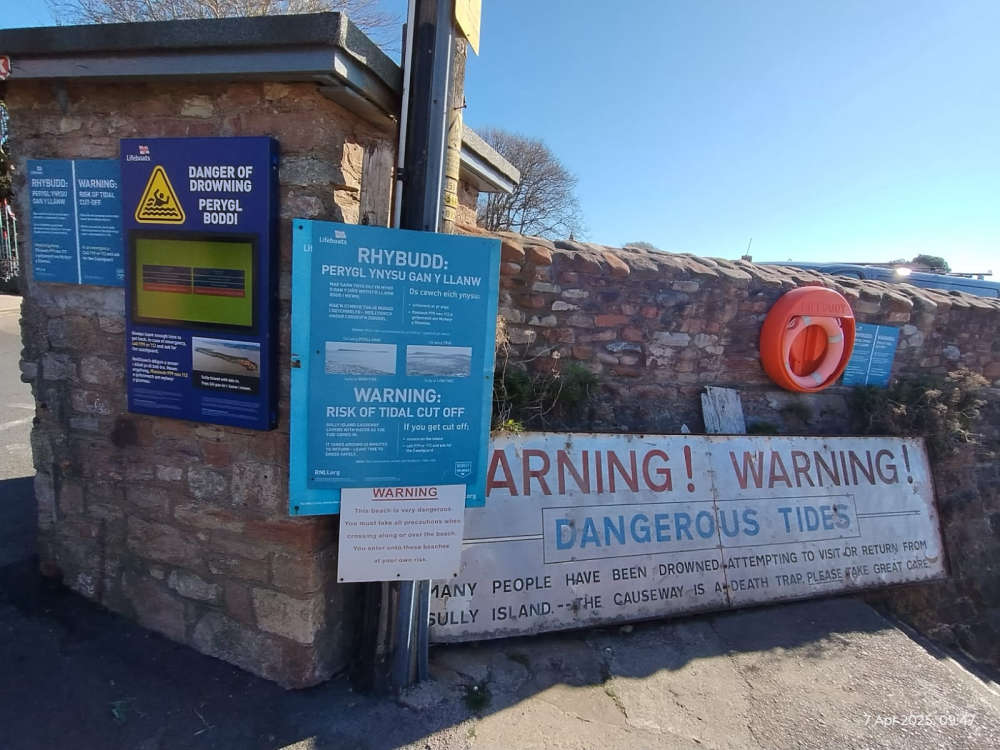
Once the causeway to Sully Island starts to submerge, anyone may be stranded there for up to six hours, often without appropriate clothing, shelter or access to medical supplies.
The RNLI says prolonged exposure to the elements can pose serious health risks, and some may be tempted to try and swim back – a dangerous decision in fast-moving water.
The narrow channel between Sully Island and the mainland acts like a funnel and although it may appear calm, as the tide rises, water can surge through at speeds of up to 7 knots or approximately 8mph - fast enough to knock swimmers off their feet in mid-calf deep water and sweeping into the cold sea and the Bristol Channel.
The RNLI advises anyone planning to visit Sully Island to:
- Check tide times before you go. Tide times and heights vary each day – the causeway is not always safe.
- Pay attention to safety signs at the top of the causeway.
- Listen to advice from RNLI water safety volunteers. They are there to help you stay safe.
- Don’t cross if water is already covering the causeway. Even shallow water can hide a fast-moving current.
- Carry a means of calling for help. In an emergency, call 999 or 112 and ask for the HM Coastguard.
The charity also extensively promotes the Float to Live technique if anyone finds themselves unexpectedly in the water - tilting your head back with your ears in the water, relaxing and floating on your back with your arms and legs spread out like a starfish, along with trying to control your breathing before trying to signal for help.
Bill Kitchen, lifeboat operations manager at Barry Dock RNLI, added: "The most important thing to say is that everybody rescued last week are safe, albeit they were cold and wet. But eight people in five day shows just how easy it is to get caught out."
"That’s why the Sully Island Water Safety Team is so important. Their presence on the causeway helps inform people before they make the crossing and gives them a better understanding of how dangerous the tide can be."
 Vueling withdraws winter flights to Aicante this winter
 Playground in Barry forced to close after fire damages equipment
 Campaigners Take Fight for Fairer Pathways in Welsh Women’s Football to Parliament
 Vale Councillor Gwyn John Launches His First Novel at Llantwit Major Book Signing
 Pink poppy display commences with celebration of life
 Former Barry office block converted into new homes for people at risk of homelessness
 Welsh Government publishes independent report on Level 4 intervention at Cardiff and Vale UHB
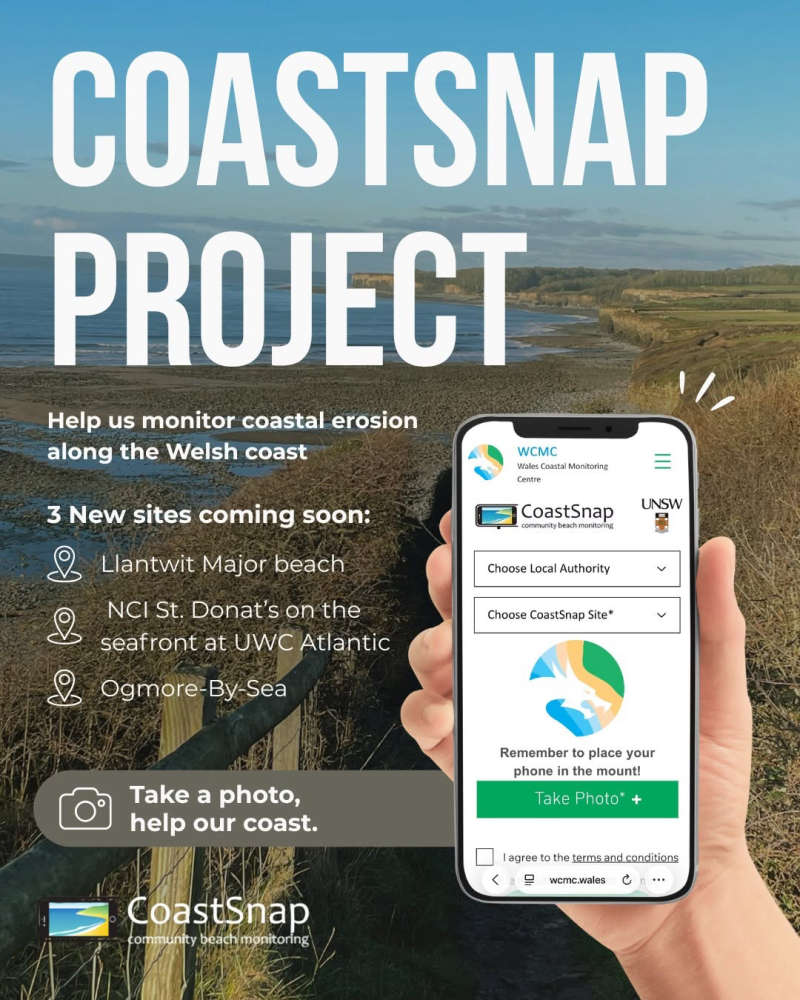 Three CoastSnap stations set to be installed along the Glamorgan Heritage Coast
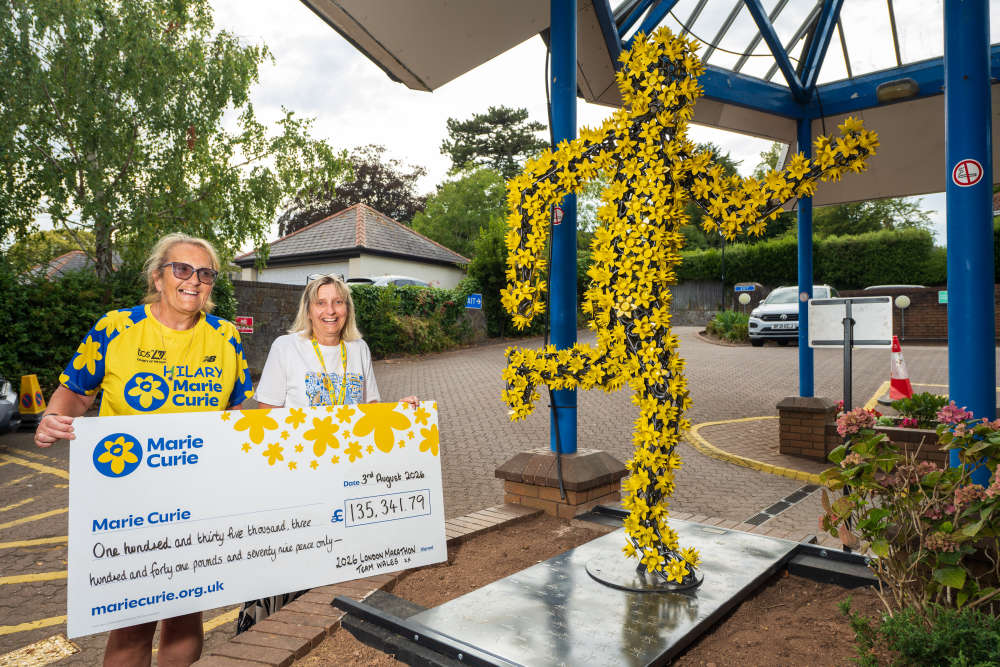 Daffodil Runner statue installed at Marie Curie Hospice in Penarth
 Woman Dies After Incident in Leckwith as Police Investigation Continues
 Vale entrepreneur wins national Innovate UK award for sustainable construction technology
 Cardiff Airport retains top accessibility rating as regulator reports record demand for assistance
 Open Doors event to showcase hidden world of Glamorgan Archives
 New details have emerged of a new tree-lined public square that will replace a traffic dominated junction
 Dyffryn Gardens’ Edwardian rose garden blooms again after decade-long restoration
 Barry’s Own Daniel White to Walk 190 Miles Back to Where His Round Table Story Began
 1,300 people attend Flying Start Family Fun Day
 Dispersal order put in place to tackle anti-social behaviour
 Interim Chief Executive Appointed at Cardiff and Vale University Health Board
 Cardiff Theatre Marks 50 Years of Service for Long‑Standing Staff Member