

The site contained the largest concentration of grain drying kilns found in Wales or England, with 26 identified, and a variety of pre-Norman conquest Welsh pottery.
Archaeologists working for the Vale of Glamorgan Council unearthed an early medieval cemetery and assembly site with possible links to a Welsh saint during work on the Five Mile Lane Project.
They are two of many discoveries that were made during excavations that took place as part of the project to build a new road connecting Barry with the A48.
The team from Red River Archaeology also found a late Bronze-Age burial monument, which was reused by the people who later lived in the area.
These finds and many more are catalogued in a recently released book titled A Journey Through 6000 Years of History: Archaeological Investigations Along the A4226 Five Mile Lane Improvement Scheme.
Dr Niamh Daly, who worked on the project, said: “I found the archaeological findings from the Five Mile Lane site, which span from the Early-Middle Bronze Age to the Medieval Period, to be particularly fascinating.”
Funded by Welsh Government, the new road opened five years ago, linking Weycock Cross to the Sycamore Cross roundabout.
Excavations took place in 2017 and 2018 and revealed a landscape that had been used in a multitude of ways since humans first settled in the area.
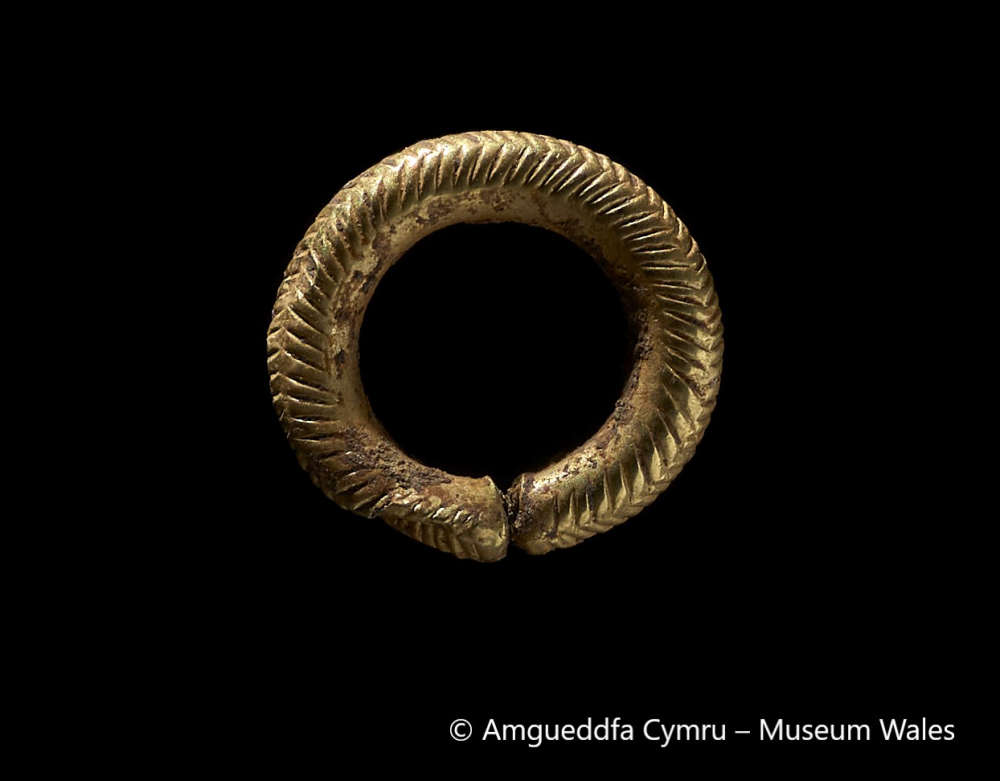
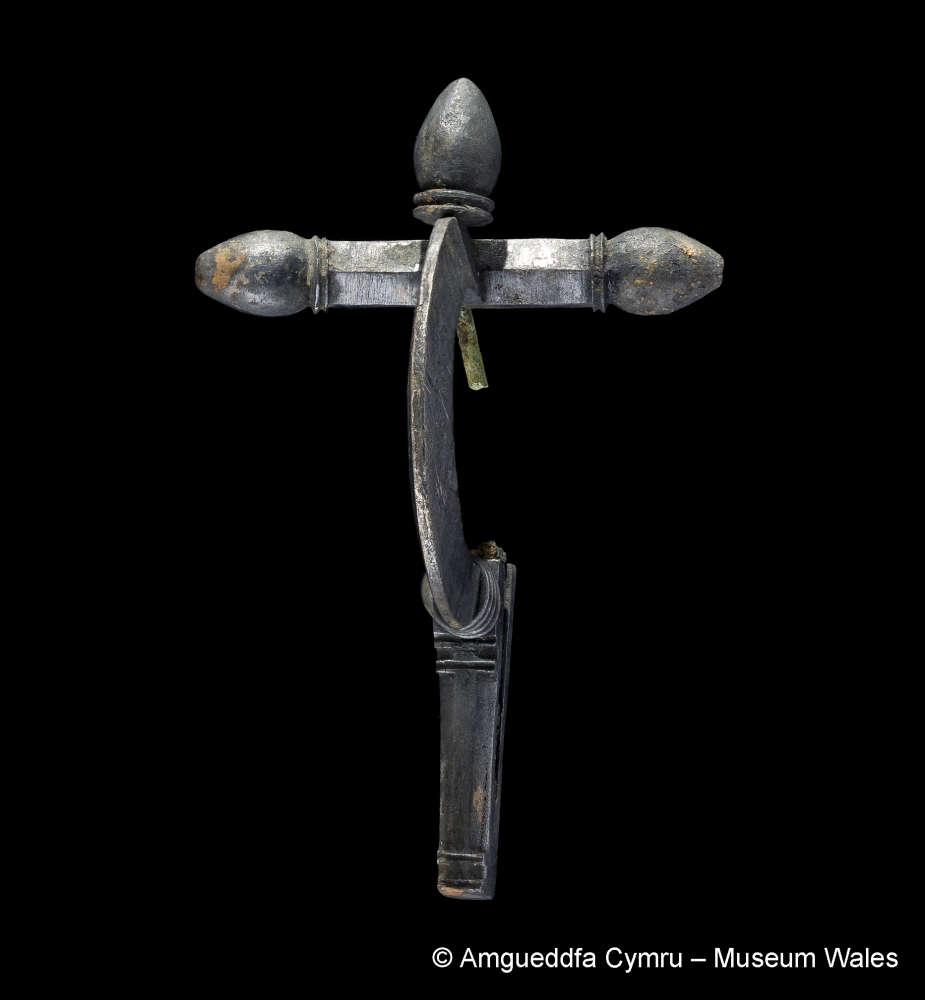
A host of artefacts were found, including a small gold penannular ring, a Roman silver crossbow broach fragments of a burnt wooden comb, pieces of pottery and more.
Cllr Mark Wilson, Vale of Glamorgan Council Cabinet Member for Neighbourhood and Building Services, said: “The Five Mile Lane Project saw a busy stretch of highway upgraded to offer a quicker and safer route between Barry and the A48.
“As well as improving the transport experience for the large number of people who use it, this scheme also provided a range of other benefits through the careful archaeological work that took place as part of it.
“There were numerous fascinating discoveries that have taught us more about the history of the area and how it has been used over the centuries.
“This book catalogues the significance of those finds, helping us learn more about a hugely significant part of the Vale.”
Overall, a multi-period landscape was revealed which had been used for ceremonial and funerary purposes in the Neolithic and Bronze-Age periods and for agriculture in the Iron Age.
It was then part of a wealthy Roman farmstead, a medieval cemetery that reused a Bronze-Age burial ground, and finally the agricultural landscape of the present day.
Over 430 individuals from the fifth to 13th century were buried in the cemetery, which originated in the late Bronze-Age period, possibly as early as 410 AD.
Those individuals were of all ages, from infants to the elderly, with four likely born outside of Britain.
The site was a significant feature of the landscape, located at the intersection of key medieval religious routes between Llancarfan, St Lythans and Llandaff.
It contained the largest concentration of grain drying kilns found in Wales or England, with 26 identified, and a variety of pre-Norman conquest Welsh pottery.
Such a close proximity to Llancarfan, which is thought to have been a key site for Monks, might also mean a connection to St Cadoc, who was abbot there around the fifth of sixth century.
A Journey Through 6000 Years of History: Archaeological Investigations Along the A4226 Five Mile Lane Improvements Scheme is edited by David Gilbert, Rachel Morgan-James and Siobhán Sinnott.
 Vueling withdraws winter flights to Aicante this winter
 Playground in Barry forced to close after fire damages equipment
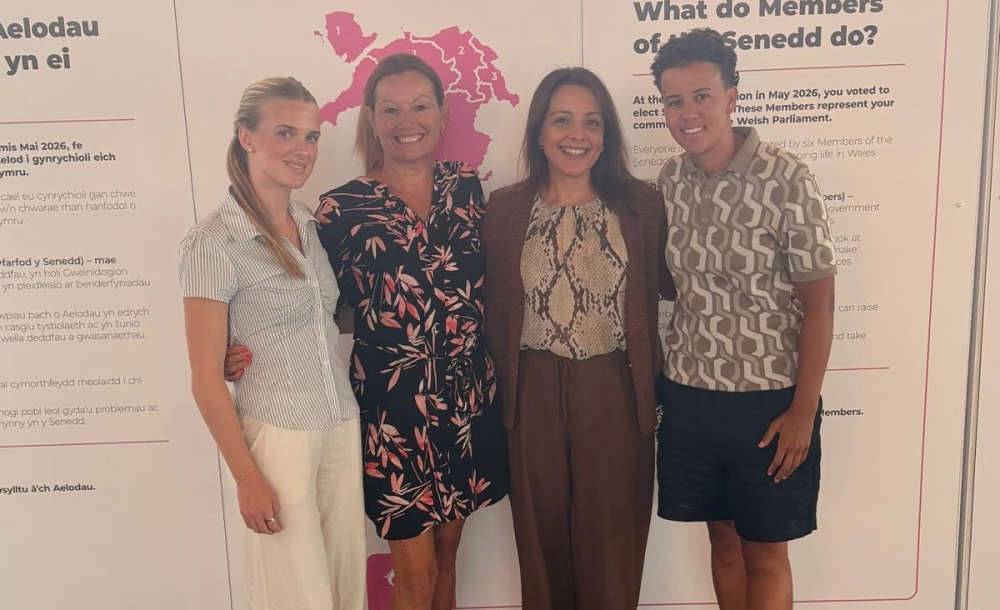 Campaigners Take Fight for Fairer Pathways in Welsh Women’s Football to Parliament
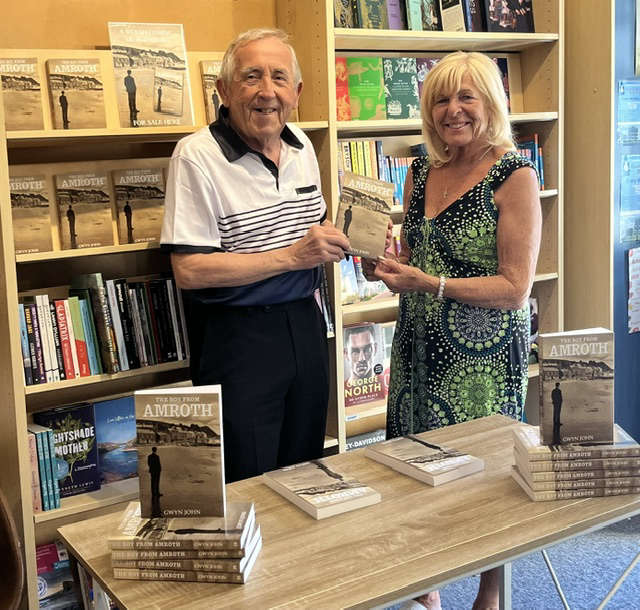 Vale Councillor Gwyn John Launches His First Novel at Llantwit Major Book Signing
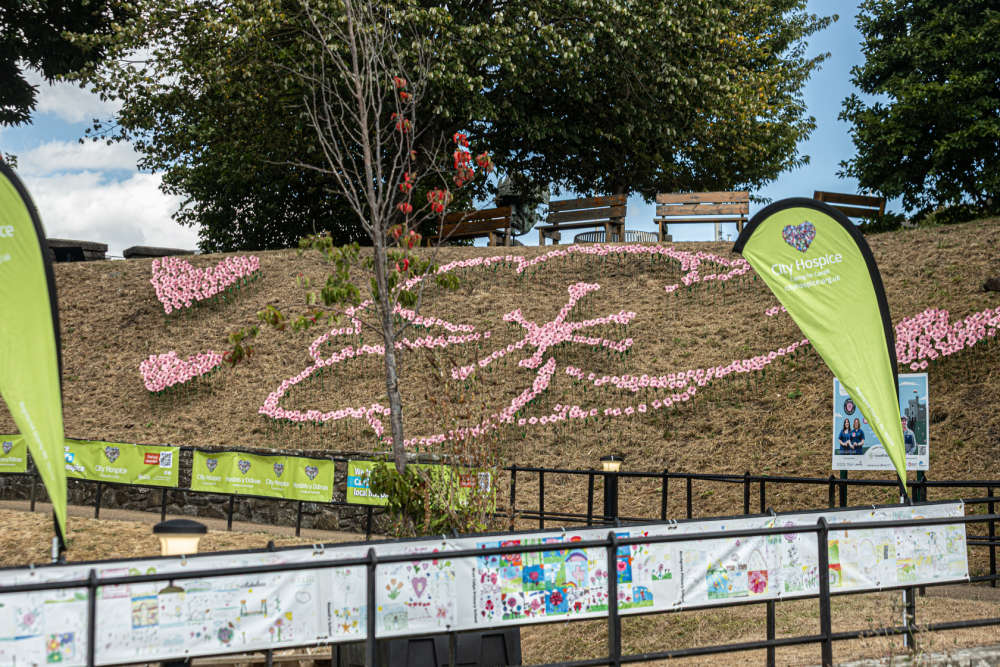 Pink poppy display commences with celebration of life
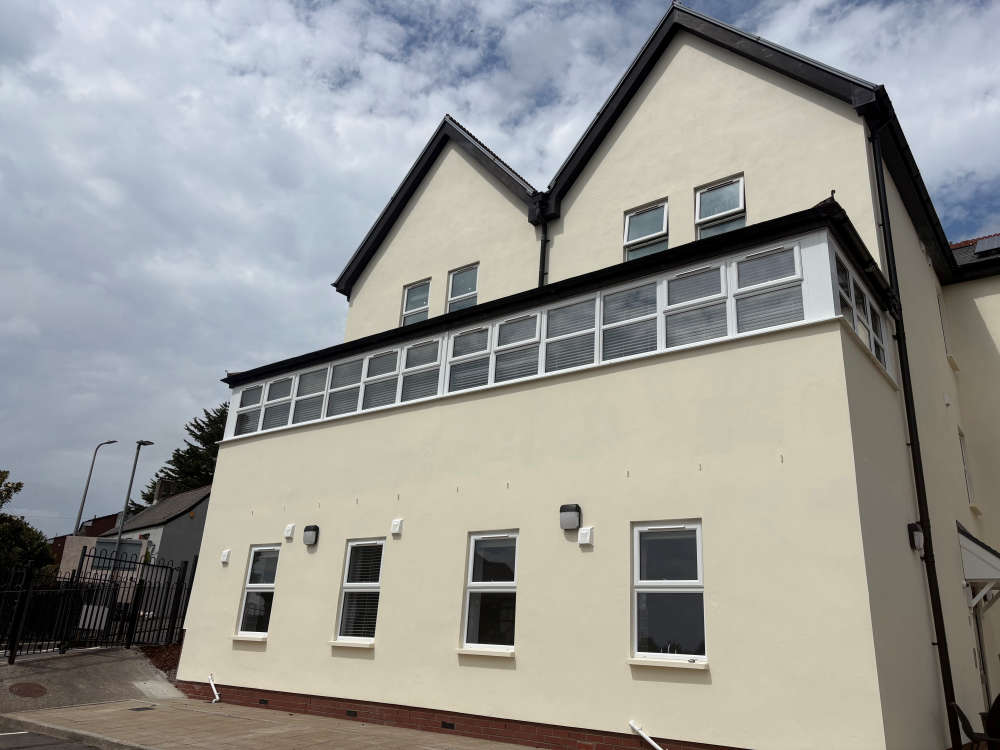 Former Barry office block converted into new homes for people at risk of homelessness
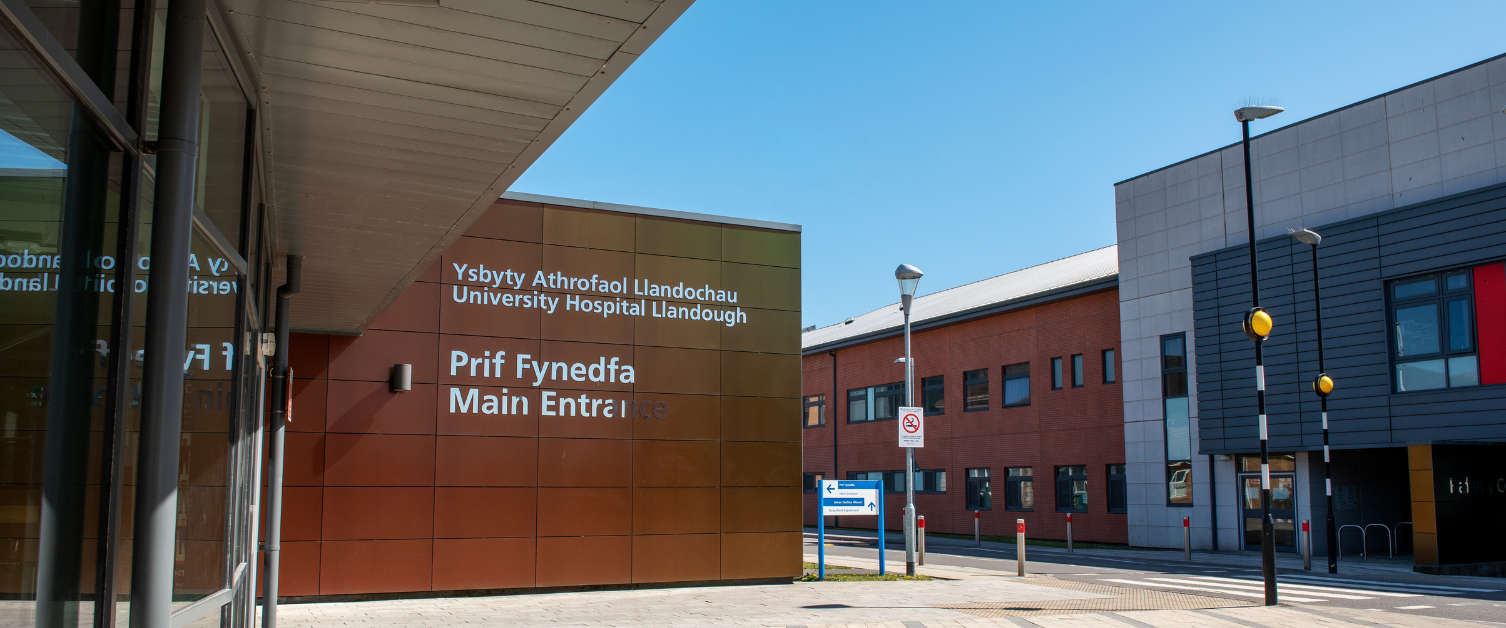 Welsh Government publishes independent report on Level 4 intervention at Cardiff and Vale UHB
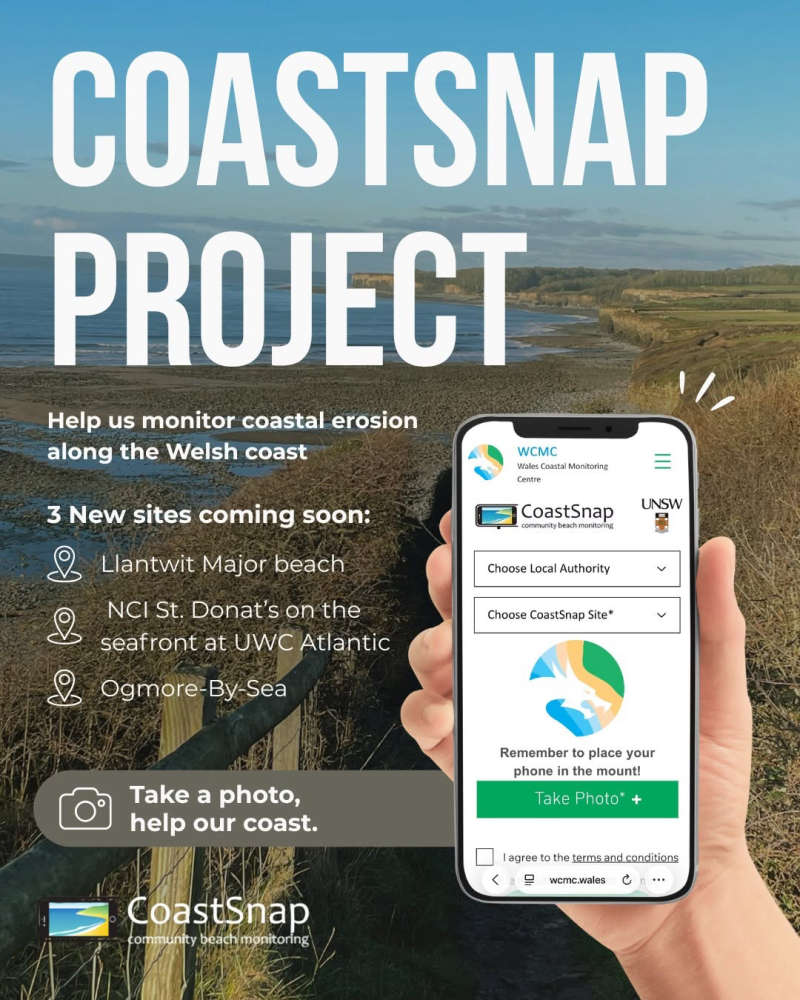 Three CoastSnap stations set to be installed along the Glamorgan Heritage Coast
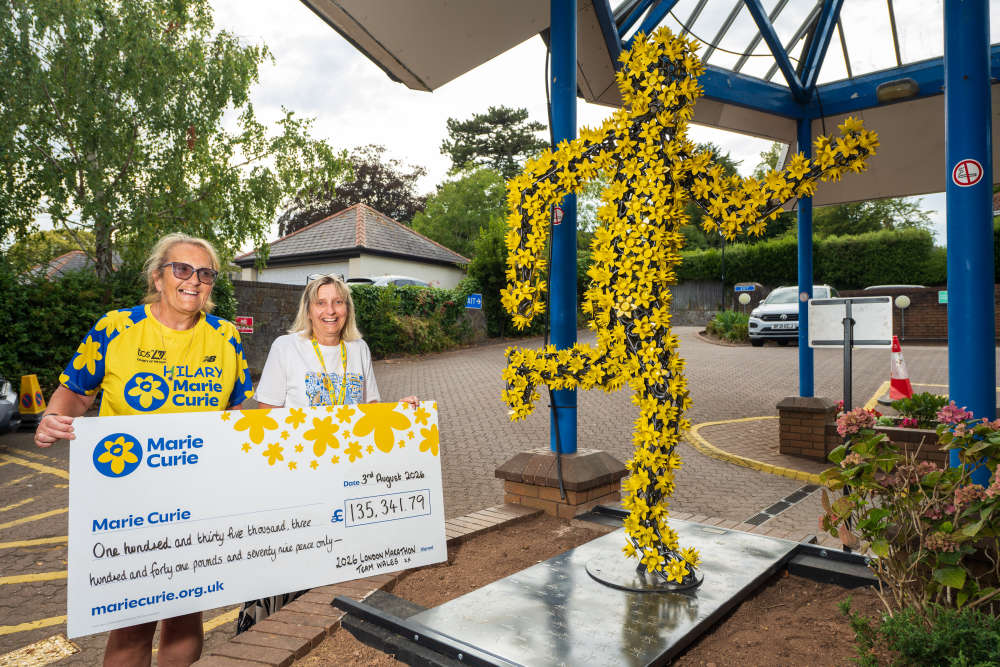 Daffodil Runner statue installed at Marie Curie Hospice in Penarth
 Woman Dies After Incident in Leckwith as Police Investigation Continues
 Vale entrepreneur wins national Innovate UK award for sustainable construction technology
 Cardiff Airport retains top accessibility rating as regulator reports record demand for assistance
 Open Doors event to showcase hidden world of Glamorgan Archives
 New details have emerged of a new tree-lined public square that will replace a traffic dominated junction
 Dyffryn Gardens’ Edwardian rose garden blooms again after decade-long restoration
 Barry’s Own Daniel White to Walk 190 Miles Back to Where His Round Table Story Began
 1,300 people attend Flying Start Family Fun Day
 Dispersal order put in place to tackle anti-social behaviour
 Interim Chief Executive Appointed at Cardiff and Vale University Health Board
 Cardiff Theatre Marks 50 Years of Service for Long‑Standing Staff Member