

Final plans for 16 new "super constituencies" have been unveiled ahead of the next Senedd election in a little over a year.
The Democracy and Boundary Commission Cymru confirmed the 16 constituencies which were created from pairing the 32 used in July's Westminster general election.
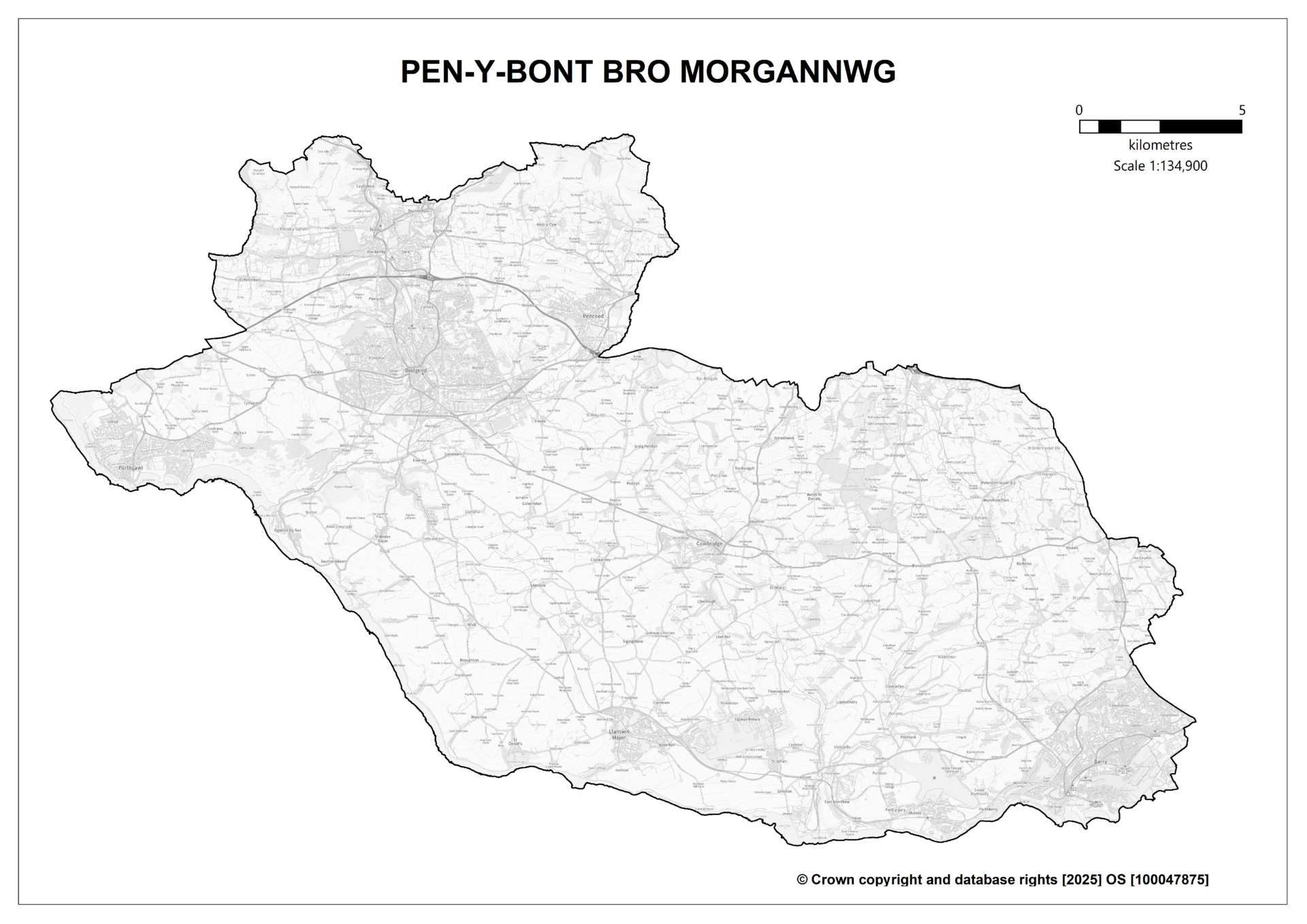
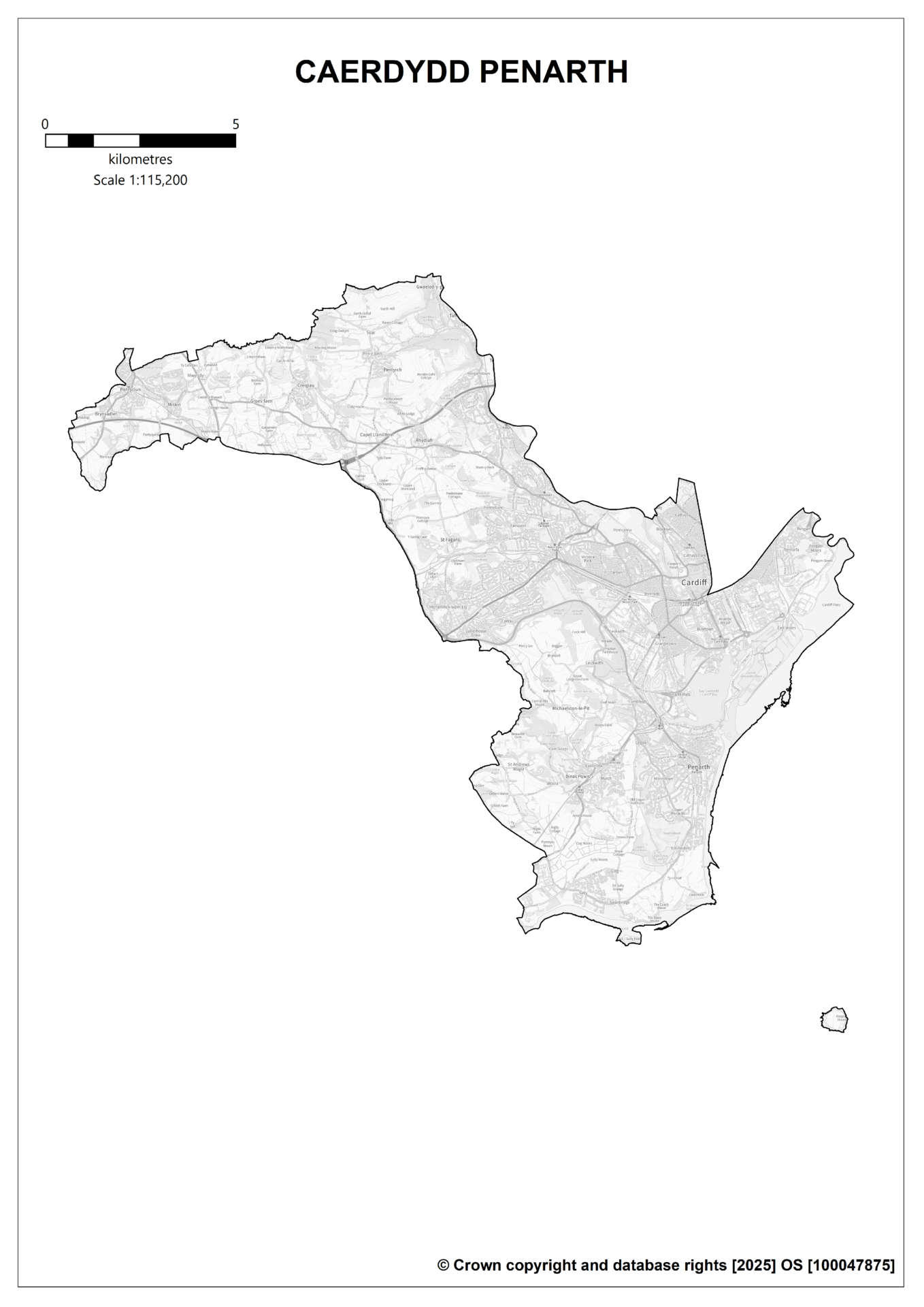
The Vale of Glamorgan will be paired with Bridgend to form the Pen-y-bont Bro Morgannwg constituency - while the Cardiff South and Penarth seat is being merged with the Cardiff West area to form Caerdydd Penarth.
Each of the constituencies will elect six Senedd members in May 2026, with the current 40 Senedd constituencies and five regions set to be scrapped.
The Senedd will expand from 60 to 96 politicians at the next election, abandoning first past the post in favour of a fully proportional system aimed at better reflecting how Wales voted.
Due to time constraints ahead of the 2026 election, the commission was tasked with pairing neighbouring UK parliamentary seats to create 16 for the Senedd.
'Full review'
But a full boundary review – the first in 18 years, with the last held before the 2007 poll – will take place post-election, with the political map of Wales set to be redrawn by 2030.
Ministers will be required to bring forward regulations to give automatic effect to the commission's final report and will not be able to deviate from its recommendations.
The commission made two changes to the paired constituencies, both in Cardiff, since publishing revised proposals in December.
The final configuration sees Cardiff North and Cardiff East paired to create Caerdydd Ffynnon Taf, with Cardiff West and Cardiff South and Penarth forming Caerdydd Penarth.
The 16 constituencies proposed by the commission are:
- Bangor Conwy Môn
- Clwyd
- Fflint Wrecsam
- Gwynedd Maldwyn
- Ceredigion Penfro
- Sir Gaerfyrddin
- Gŵyr Abertawe
- Brycheiniog Tawe Nedd
- Afan Ogwr Rhondda
- Pontypridd Cynon Merthyr
- Blaenau Gwent Caerffili Rhymni
- Sir Fynwy Torfaen
- Casnewydd Islwyn
- Caerdydd Penarth
- Caerdydd Ffynnon Taf
- Pen-y-bont Bro Morgannwg
'Very significant'
The commission received more than 4,000 responses to its consultation on the proposals – by far the biggest public engagement with a boundary review process in Wales.
Shereen Williams is chief executive of the commission which was set up last year to replace the Local Democracy and Boundary Commission for Wales.
"The changes we've had to make have been very significant," she said.
"The commission would like to thank its partners in Welsh Government, the Senedd, local authorities and the entire Welsh electoral community for their engagement with this review."
"Mostly however, the commission wishes to thank the members of the public who have responded to its consultations in greater numbers than ever before."
"The debate over proposed pairs and names has been robust, but very constructive, and the constituencies recommended by the commission have been significantly strengthened due to the public's involvement in the process."
'Local ties'
Each of the new constituencies will have about 140,000 voters but Bangor Conwy Môn will have around 20,000 fewer because Ynys Môn has historically been a protected seat.
The new Gwynedd Maldwyn seat – a combination of Dwyfor Meirionnydd and Montgomeryshire and Glydŵr – will stretch from the coast to the English border.
Ceredigion Penfro and Brycheiniog Tawe Nedd will also be geographically giant seats.
In her foreword to the report, chair Beverley Smith said the commission had to balance issues raised in consultation responses against constraints set out in the legislation.
She wrote: "Where possible, the commission has had regard to existing local government boundaries; it has sought to avoid or minimise the breaking of local ties, and on occasion the commission has had regard to special geographic considerations."
'Closed lists'
Under the Senedd Cymru (Members and Elections) Act 2024, votes will continue to be translated into seats via the D'Hondt mathematical formula.
Taking evidence on the then-bill, a Senedd committee heard the effective threshold to get elected would be about 12% of the vote – a high bar compared with other parliaments.
Wales will adopt a "closed-list" electoral system from 2026, with the electorate voting for political parties rather than specific candidates on the ballot paper.
Parties will order their eight-name lists for each constituency unlike under the single transferrable vote system which would give voters a greater say..
Following the election, the Democracy and Boundary Commission Cymru will be given more flexibility as it conducts a comprehensive review ahead of the 2030 election.
 Barry Town United Members Back New Ownership Model in Landmark Vote
 Belova app aims to bring people together across Cardiff and the Vale
 Road rage arrest after driver allegedly threatened motorist with hammer on A4232
 National Grid shares plans for new Aberthaw substation development
 Petition to save ward at Llandough Hospital gains hundreds of signatures
 Concerns Raised Over Plans to Remove Plans for Community Space From Former Barry Pub
 Gas Pipe Upgrade Work in Dinas Powys Approaching Completion
 Tributes Paid to Barry Athletic Stalwart Terry Collins
 New ALN Sixth Form Opens in Vale as Education Minister Visits New School
 Jepkosgei sets new course record as Cardiff Half Marathon welcomes record international field
 Bro Radio partners with Hospital Radio Glamorgan for Cardiff Half Marathon coverage
 Cardiff and Vale Scouts Celebrate Big Birthday Bash
 Senedd Members reject Reform bid to scrap 20mph speed limits
 Barry Town Council Cuts Public Opening Hours After Rise in Abuse Towards Staff
 Opposition leaders clash with First Minister over Welsh independence
 Santa’s Cause returns as Vale communities urged to support families this Christmas
 Elderly Penarth couple call for generator to be relocated or replaced on health grounds
 Police Appeal After Two Injured in Late-Night Fight Outside Barry Nightclub
 Graduate turns personal experience into campaign to combat student loneliness