


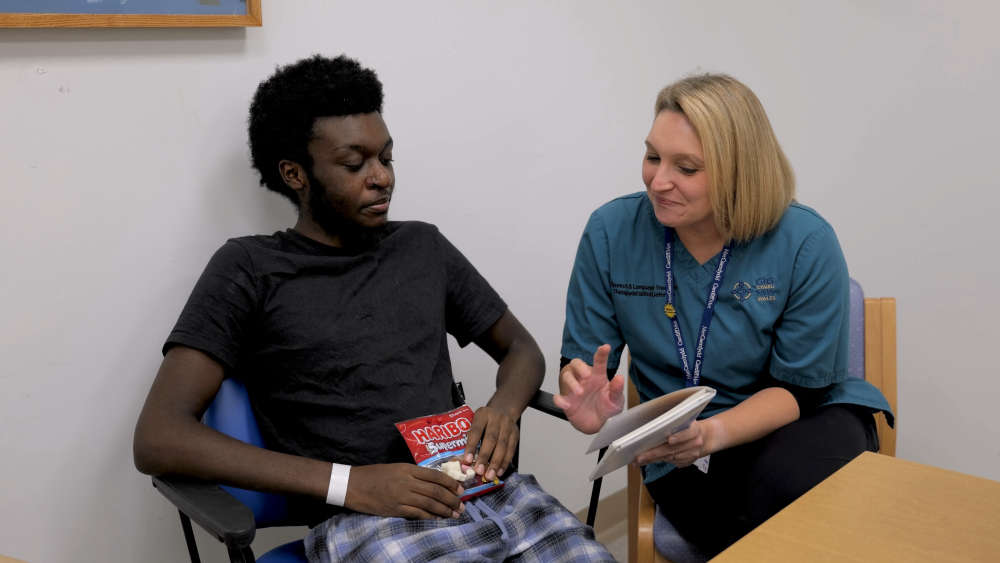
A teenager who should have been sitting his A‑levels this year instead found himself in hospital facing one of the most frightening challenges imaginable — losing the ability to swallow.
Glodi, who became seriously unwell following a virus, developed severe dysphagia, a condition that left him unable to eat, drink or even manage his own saliva safely. The impact was immediate and profound, with clinicians warning that swallowing difficulties can lead to chest infections, loss of independence and, in many cases, the need for a feeding tube.
But what happened next has been described by specialists as one of the fastest recoveries they have ever seen.
As part of a service development project with Cardiff and Vale University Health Board’s Adult Speech and Language Therapy (SLT) Team, Glodi was offered pharyngeal electrical stimulation (PES) — an innovative therapy delivered using the Phagenyx System.
The treatment works by sending small, controlled electrical pulses to nerves in the throat via a catheter, helping to stimulate and support the recovery of swallowing function.
Although typically used in adult stroke rehabilitation, Glodi became one of the youngest patients in the UK to receive the therapy. SLT specialists assessed his swallowing repeatedly, using imaging and clinical monitoring to tailor the short, 10‑minute sessions to his needs.
Within just two weeks, Glodi went from being nil‑by‑mouth to eating and drinking normally again — a pace of recovery clinicians say is rarely seen.
“Within a very short period, his swallowing had improved completely,” said Dr Shakeel Ahmed, Consultant Stroke Physician. “In my professional career, I have never seen anyone improve as quickly as this.”
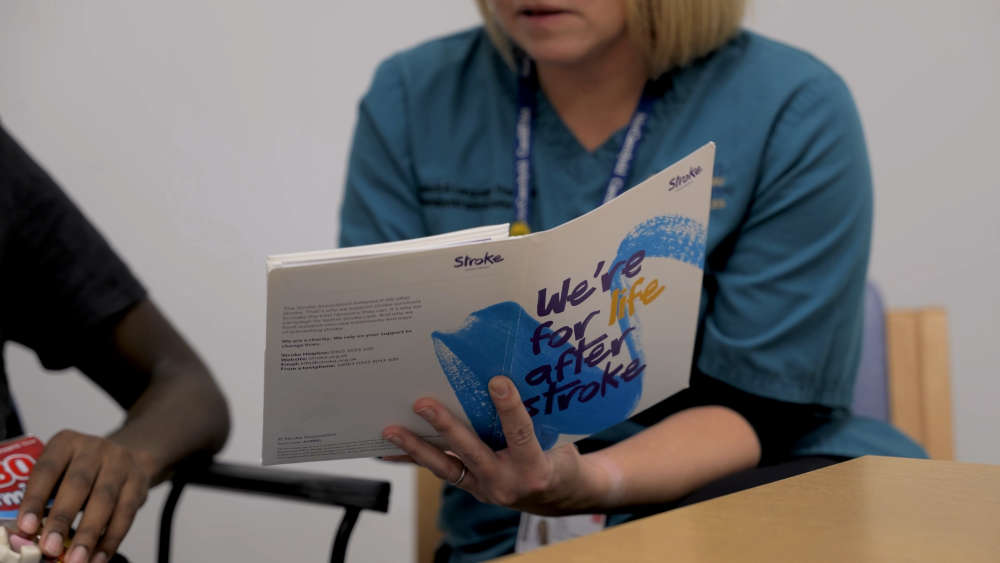
Speech and Language Therapist Sarah Appleton agreed: “To see someone go from being unable to swallow at all to returning to a normal diet in two weeks is extraordinary. His progress has been outstanding.”
For Glodi, the moment he was told he could eat again marked a turning point.
“Being able to eat and drink again gave me my independence back,” he said. “It changed everything.”
What might seem like everyday moments — choosing a meal, sitting down with friends, sharing food — became powerful symbols of normality returning. Now, he’s focused on rebuilding confidence, reconnecting with friends and looking ahead to the future.
“I’m incredibly grateful. I wouldn’t be where I am without them,” he added.
Following Glodi’s case and other successful inpatient treatments, Cardiff and Vale University Health Board has now approved the use of PES within its SLT inpatient services under formal clinical governance.
The therapy will be available to suitable patients with new neurogenic dysphagia at both University Hospital Wales and University Hospital Llandough.
The SLT team hopes that stories like Glodi’s will help shape future service development and contribute to the growing evidence base for innovative dysphagia treatments.
 Cogan Primary School Praised for its Inclusive Culture and Strong Leadership in Estyn Inspection
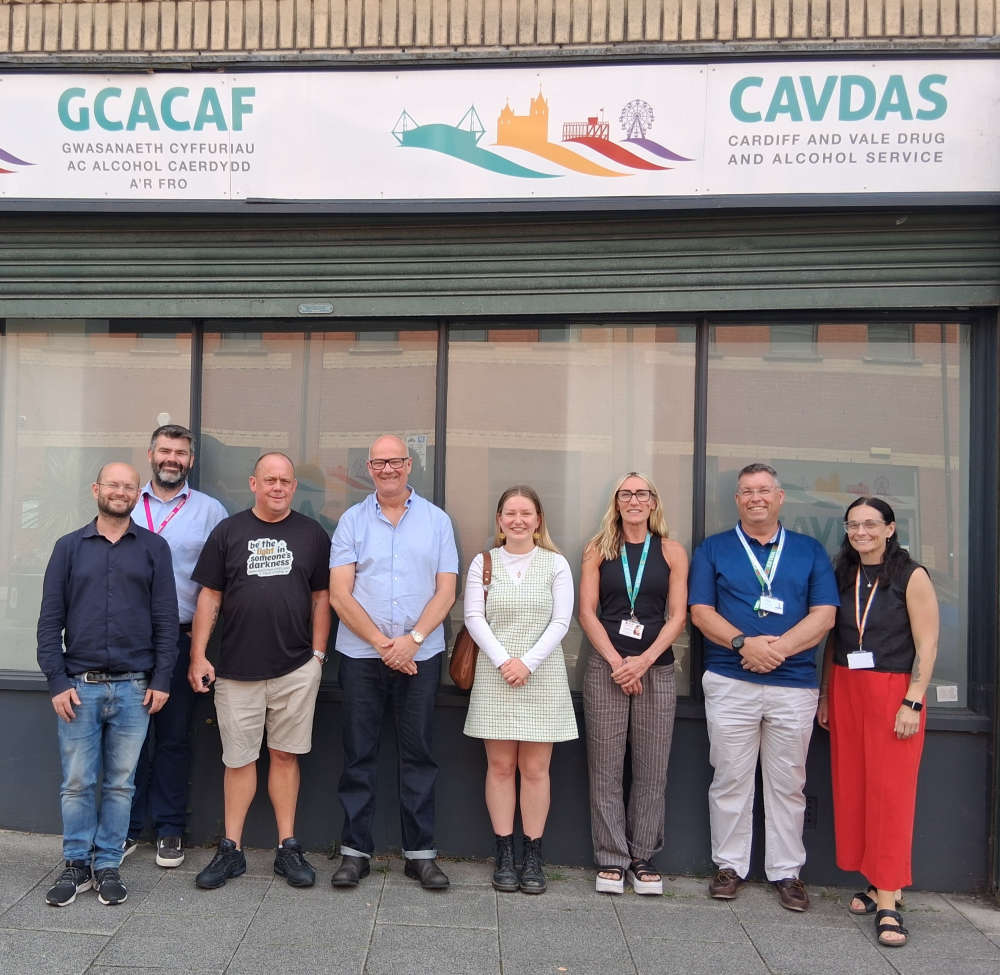 Senedd Members Call to Tackle Substance Use Stigma
 Calls for Welsh Government to Match England's Pub Business Rates Cut
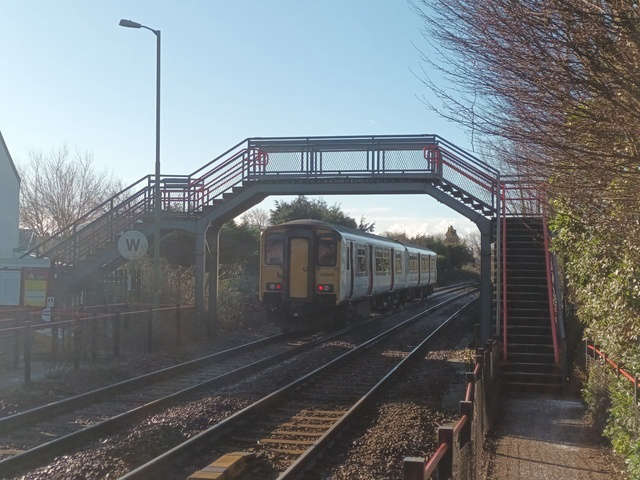 Caerdydd Penarth MS backs campaign to make rail station more accessible
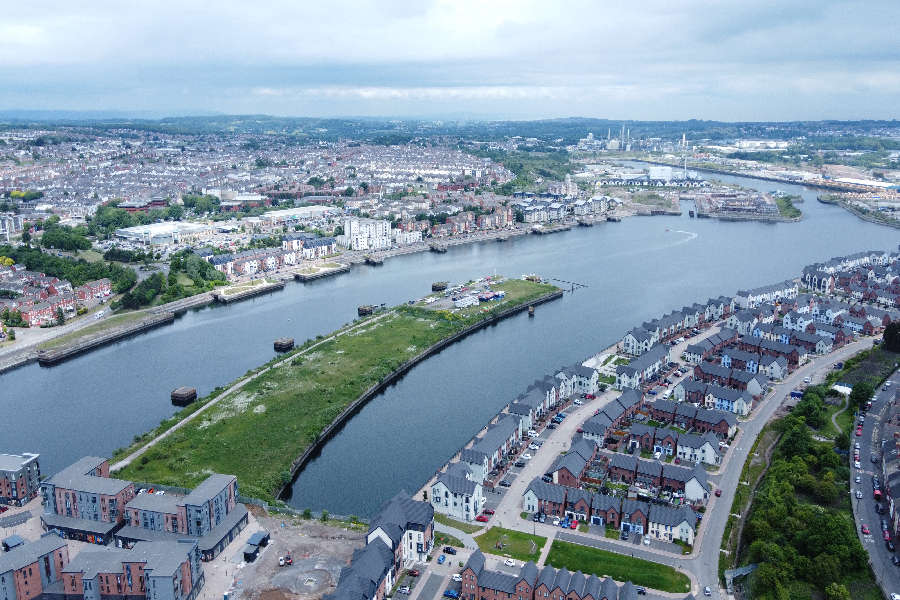 Barry Waterfront Regeneration Project Moves a Step Closer
 Age Cymru Responds to VAT cut to household electricity bills
 Old Post Office in St Brides Major could be converted into a new house and set of flats
 Kanishka Narayan retains AI Minister role as Burnham Signals Early Priorities
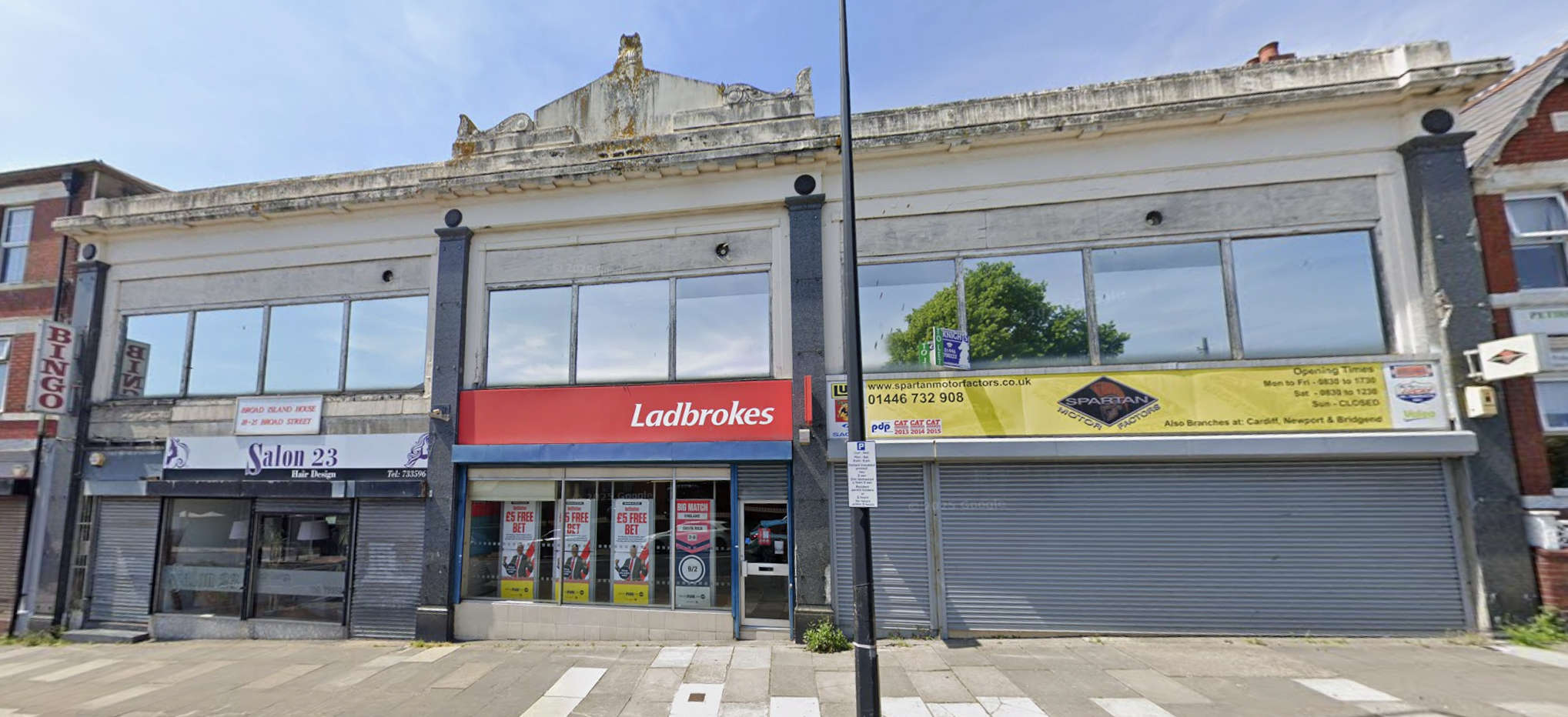 Victorian Building on Broad Street could become a new daycare centre
 Barry to Host First-Ever Street Art Festival This August
 Barry entrepreneur named finalist in major UK awards recognising top business leaders
 New Barry watersports facility and housing
 Man charged after Skomer Road assault
 Green Flag Award continues to fly at Merthyr Dyfan Cemetery
 Cowbridge youngster reaches GoHenry Dream Big final
 The first young people in Wales will receive their life saving Meningitis B vaccination from today
 Beloved Stanwell School teacher retires after inspiring generations for 35 Years
 New £12m Maintenance Facility Installed at Canton Depot to Support TfW’s Expanding Fleet