


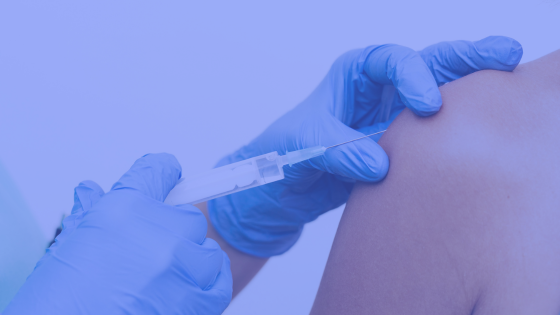
The roll out of the life saving Meningitis B vaccine, begins in Wales today.
For the first time the vaccination is being offered to young people preparing to start university or residential further education for the first time – a group known to be at significantly increased risk of meningococcal disease.
Young people in Wales who are eligible for the vaccination are being urged to get two doses of the vaccine before they head to university or other residential education. The offer is a time-limited programme for the cohort of young people born between 1 September 2007 and 31 August 2008 and those who are under 25 years old and attending residential further or higher education for the first time this Autumn.
Meningitis B is a rare but serious bacterial infection that can cause meningitis and sepsis. Vaccination against MenB has been available for infants since 2015 and is now being offered for the first time to this cohort of young people. This is because data shows that young people who are starting university face a seven times higher risk of contracting meningitis B disease compared to others, in particular those living in shared university accommodation. The increased risk is due to their close living arrangements, shared social spaces and the mixing of large numbers of people from across the country and beyond.
The vaccination programme is being delivered in all the UK nations and comes in response to recent outbreaks of meningitis B including in Kent in March, which tragically resulted in the deaths of two young people. The outbreak highlighted the urgent need to protect young people — particularly those preparing to attend university for the first time — against this potentially fatal disease. The deaths linked to the Kent outbreak served as a stark reminder of how quickly meningitis B can overwhelm even a young, otherwise healthy person.
The vaccine is delivered as two separate doses, one month apart, and it is essential that eligible young people receive both doses to be protected. Public Health Wales is urging everyone in the eligible cohort to ensure they complete both doses of the vaccination course, even if they feel well and healthy. If needed, the second dose can be accessed at a student’s new home in their university town, even if it is in another UK nation.
Young people across Wales who are eligible for the vaccination are being encouraged to take up their offer from their local health board as soon as possible. 17- and 18-year-olds (those born between 1 September 2007 and 31 August 2008) will receive a letter from their health board inviting them for an appointment. Those born on or after 21 July 2001 (turning 25 on or after 21 July 2026) and starting higher education or residential further education for the first time from Autumn 2026, will not receive a letter but should contact their health board to find out where to get their vaccination in their local area. Getting vaccinated before arriving at university provides the best possible protection ahead of the autumn term.
Dr Christopher Johnson, Head of the Vaccine Preventable Disease Programme at Public Health Wales, said:
“Today marks a really important moment for young people across Wales. Meningitis B can strike quickly and with devastating consequences, and young people heading to university for the first time are among those most at risk. We are urging everyone who has received an offer from their health board to come forward and get vaccinated — and to make sure they come back for that second dose. Two doses are what gives you the full protection you need. This vaccination could save your life.”
Young people who have received a letter or contact from their health board are asked to book their appointment as soon as possible. Those who are unsure whether they are eligible should contact their GP or visit the Public Health Wales website for further information.
Deputy Minister for Public and Preventative Health, Nerys Evans, said:
"A significant milestone has been reached today as we begin rolling out this important protection to young people born between 1 September 2007 and 31 August 2008 and those who are under 25 years old and attending residential further or higher education for the first time this Autumn.
“Meningococcal B is a rare but devastating disease that can progress rapidly, and we know that those heading to university or residential further education for the first time face a significantly heightened risk. We have acted decisively to make sure this group receives the protection they need, and I now urge every eligible young person to take up their vaccination offer — and to make sure they return for that essential second dose."
Dr Tom Nutt, Chief Executive of Meningitis Now, said:
“This summer represents an unmissable opportunity to protect thousands of young people against MenB. We want every eligible teenager and young adult to take up the offer of a free vaccination.
“This NHS programme is a hugely positive step and we are proud to support it. But we also know that protection cannot stop here. That's why our ‘No Plan B for MenB’ campaign continues to call for a routine adolescent MenB vaccination programme, so future generations of young people receive this protection as part of everyday NHS immunisation.
“Meningitis can strike anyone, at any time, and its impact can be devastating. Vaccination is one of our most powerful tools to prevent meningococcal disease, but it only works if people come forward. We are asking parents, carers, schools, colleges, universities and young people themselves to spread the word and make sure nobody misses this opportunity.”
While the MenB vaccine offers strong protection, no vaccine can prevent against all strains of meningitis. It is vital that everyone — vaccinated or not — knows the signs and symptoms of meningitis, as the disease can progress very rapidly and early treatment is critical.
Symptoms of meningitis and septicaemia to look out for include:
-
A severe headache
-
High temperature (fever)
-
Stiff neck
-
Sensitivity to light or loud noise
-
Vomiting or nausea
-
Seizures or fits
-
A rash that does not fade when a glass is pressed against it — this can be a sign of sepsis and requires immediate emergency attention
-
Confusion, drowsiness or difficulty waking up
-
Cold hands and feet, or pale, blotchy skin
Not everyone will develop all of these symptoms, and they may appear in any order. If you or someone you know develops any of these symptoms, call 999 or go to your nearest emergency department immediately. Do not wait for a rash to appear.
 Victorian Building on Broad Street could become a new daycare centre
 Barry to Host First-Ever Street Art Festival This August
 Barry entrepreneur named finalist in major UK awards recognising top business leaders
 New Barry watersports facility and housing
 Man charged after Skomer Road assault
 Green Flag Award continues to fly at Merthyr Dyfan Cemetery
 Cowbridge youngster reaches GoHenry Dream Big final
 Beloved Stanwell School teacher retires after inspiring generations for 35 Years
 New £12m Maintenance Facility Installed at Canton Depot to Support TfW’s Expanding Fleet
 Bearfield Skatepark Opens Following Community‑Led Design Process
 Police Increase Patrols in Barry’s Kings Square Following Community Concerns
 Barry-born actor nominated for Emmy Award for role in hit US drama
 AI-powered tech helping Vale residents gain confidence and independence
 Shirley Hodges Elected as New Councillor for Baruc Ward
 Thousands of Illegal and Unsafe Products Seized in Major Crackdown Across the Vale, Cardiff and Bridgend
 New figures highlight growing impact of extreme heat on heart health
 South Wales Police rolls out new body armour to protect frontline police dogs
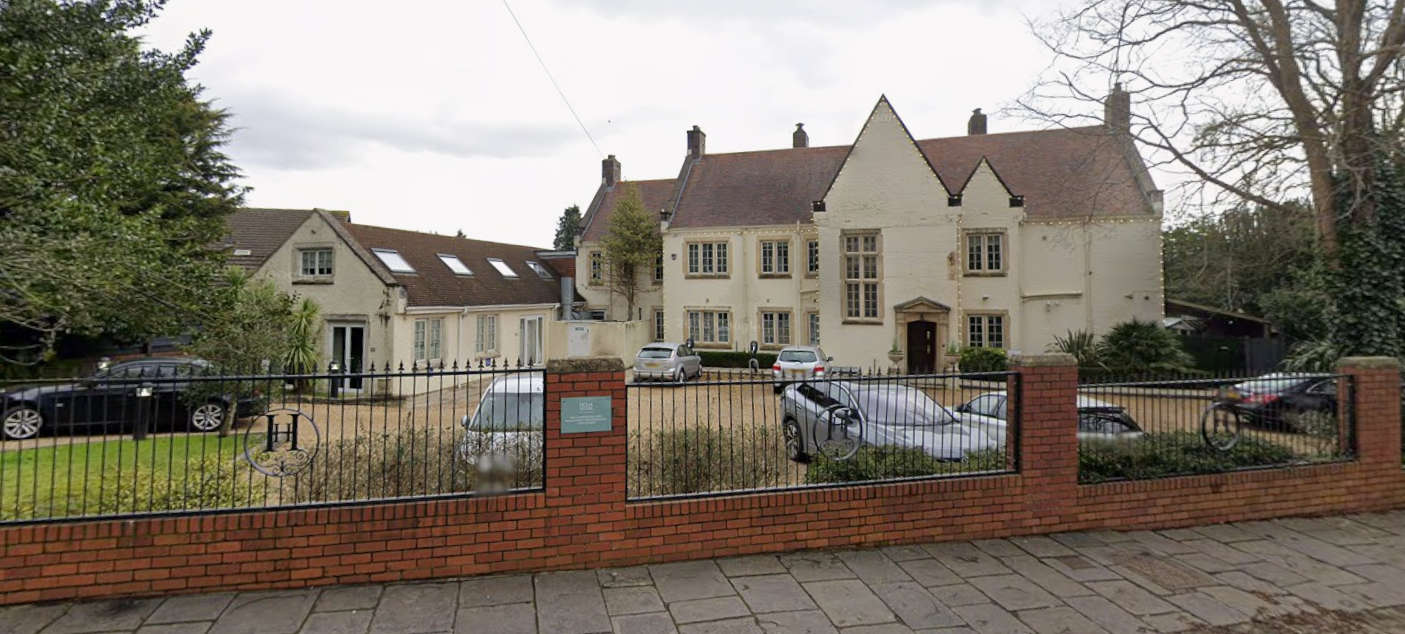 A luxury Penarth hotel with star-studded clientèle is planning to expand with a sauna, hot tub and more