


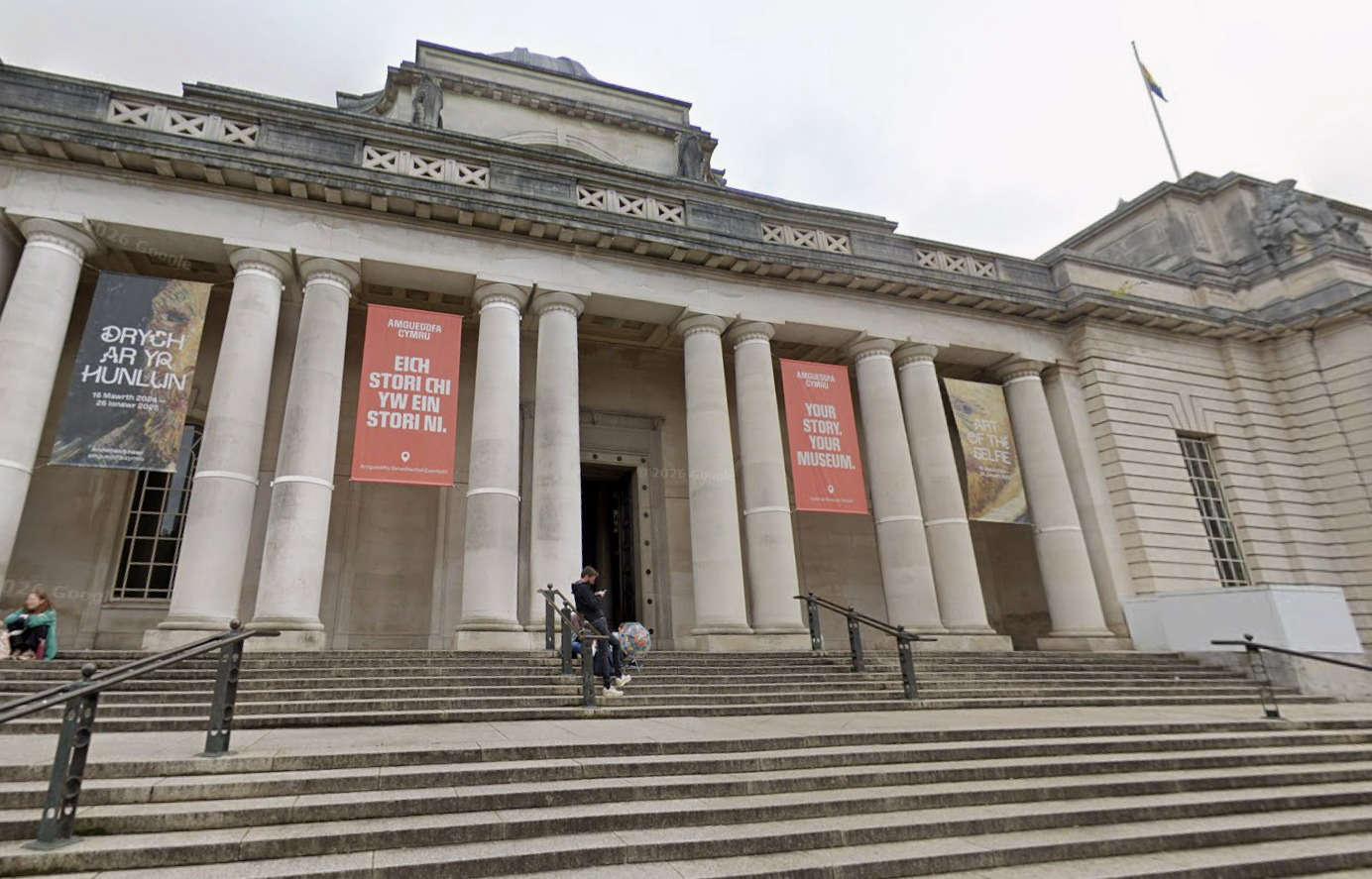
The go-ahead has been given to relocate a collection at a major Welsh museum to return a “significant room” to the “public realm of the museum”.
Plans have been approved to relocate the National Museum and Gallery of Wales’ herbarium.
The works also include the removal of “modern” partitions in the east wing and the removal of a “modern” mezzanine in the south-eastern gallery.
The herbarium is being moved next to the botany offices in the museum’s east wing.
According to the museum’s website, the herbarium is a “collection of preserved (mostly dried) plant specimens that have been stored appropriately and arranged systematically to ensure quick access for curators, artists, students, researchers, and the general public for scientific research and education”.
It continues: “A herbarium is the only place to be if you want to study the world’s plants in one place or even ‘just’ all plants that live across Wales.”
The collection is currently in the building’s south wing gallery and the move will “restore the original gallery for public use” and provide a “more functional, environmentally-controlled space for collections care and digitisation”.
Planning documents read: “By removing the collection and associated support spaces from this gallery it allows for the removal of these modern interventions and a restoration of the space.”
It continues: “The intention would be to return this significant room into the public realm of the museum to enhance visitor experience and understanding of the building.”
According to the applications slow alterations to the building’s internal layout, such as the subdivision of the east wing to create the botany offices and the interventions in the southeast galley to house the current herbarium, have introduced “complexity” to an “originally clear sequence of spaces”.
Moving the herbarium re-opens those spaces, which increases “both its social and evidential value” by “returning the space to the public realm and returning a key gallery to original form”.
The Cardiff herbarium contains a variety of plant specimens such as vascular plants (such as flowering plants, conifers, ferns, and club-mosses), bryophytes (mosses, liverworts, and hornworts), lichens, fungi, slime moulds, and algae.
There are also botanical illustrations, models. and collections relating to the use of plants by people such as spices, herbs, crops, wood, and fibres.
Specimens are also kept of diseased plants.
 Officers given additional powers following King Square anti-social behaviour
 Historic Llantwit Major Town Hall clock restored after 15-year effort
 New QR codes let residents report overflowing bins across the Vale
 Vale Council launches new scheme to tackle chewing gum-stained pavements
 Penarth Remembrance Parade will go ahead after traffic management agreement reached
 Summer wildfires were “extremely challenging” for firefighters
 Senedd calls for disused coal tips action and inclusion of Aberfan in school curriculum
 Barry Town Council unveils plans for new heritage centre
 More than 6 million people visited the Vale in 2025 according to new figures
 Welsh organisation Luna’s Light calls for children to learn about grief
 Welsh Tory leader calls for the declaration of a “health emergency” in Wales
 Funded childcare for all two-year-olds to expand across Vale of Glamorgan
 The first steps have been taken to deliver a £4m cycle track to the Welsh capital
 Leo praised by RNLI after raising alarm for two boys caught by rising tide
 Engineering works to disrupt Vale of Glamorgan rail services during Half Term
 Penarth Pier Pavilion Cinema voted one of the best 15 cinemas in the UK
 Vale community invited to stand together against domestic abuse at White Ribbon Day candle vigil
 Barry Museum plans spring 2027 reopening following repair work
 Plans approved for new Aldi supermarket in Barry
 Vale of Glamorgan MP Kanishka Narayan is calling for a national effort to strengthen Britain's defences against AI