

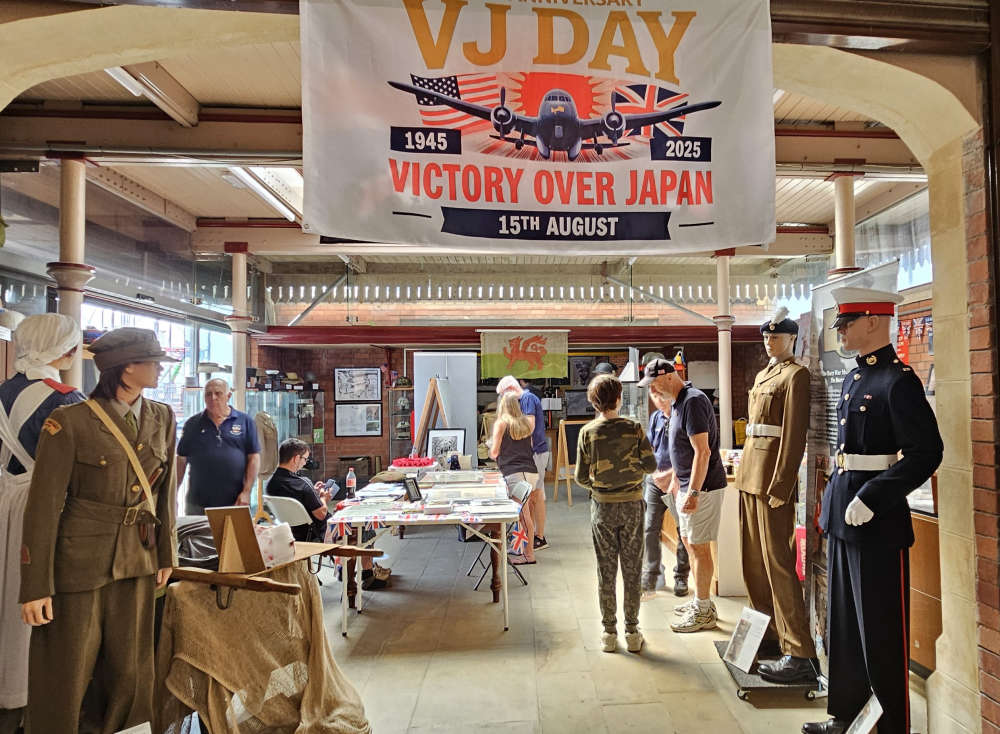
Commenorations were held at the Barry Museum and Heritage Centre for the 80th anniversary of VJ Day.
A series of moving tributes to local heroes were among the highlights as the town's only museum remembered the official end of the Second World War on 15th August 1945.
Author Phil Carradice shared the story of his father, John Matheson Carradice, who served in the British Expeditionary Force (BEF) and was one of the last men to be evacuated from Dunkirk in 1940.
He wen onto serve in India and volunteered for service in the Chindit campaigns behind Japanese lines in the Burma campaign
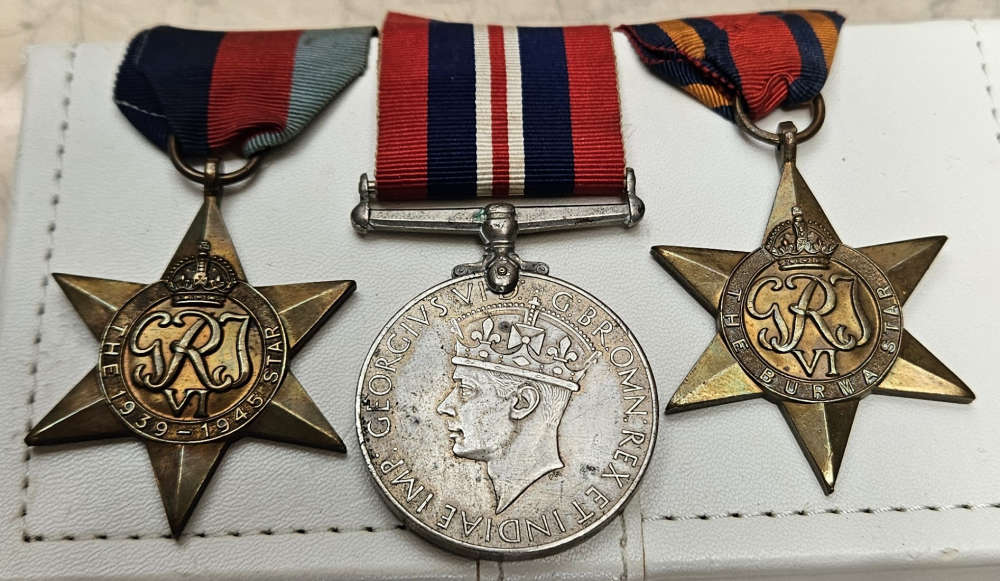
Meanwhile, a 'slouch hat' and war medals belonging to Private Ernie Lewis were put on display by his granddaughter, Deborah Boyle from Rhoose.
Ernie served in Burma, and despite being wounded behind enemy lines, he successfully crawled through the jungle back to his base.
Ernest had married his sweetheart, Bernace Sullivan just three days before sailing to the Far East. He was a former pupil of Holton Road, and the County schools in Barry.
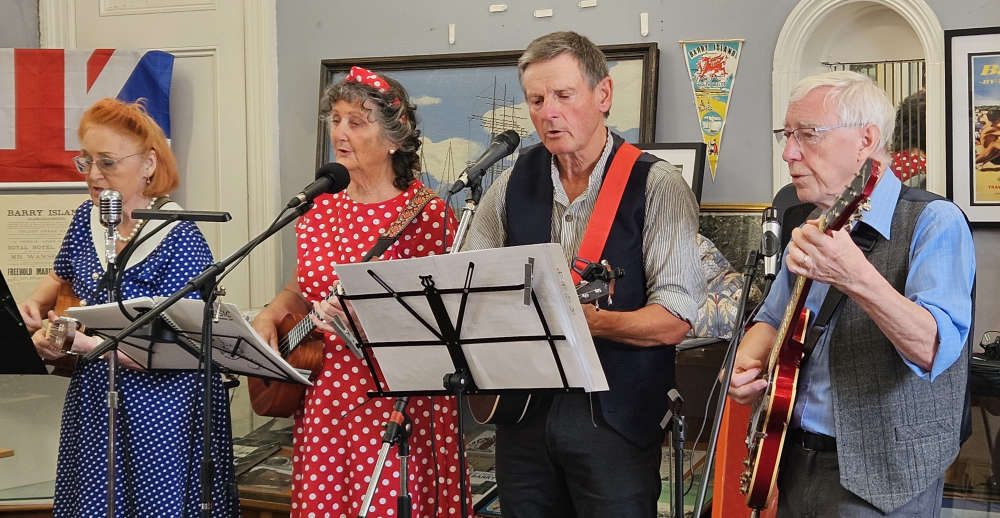
There was also live entertainment with music from the 1940s performed by Llantwit Major band Rhythm and Ukes.
Fighting in the Asia-Pacific took place from Hawaii to North-East India. The British and the Commonwealth’s principal fighting force, the Fourteenth Army, in the Burma campaign featured the largest army group of nearly 1.3 million men and women ever assembled by the British Commonwealth and its allies.
It was one of the most diverse in history - over 40 languages were spoken, and all the world’s major religions represented. Today, descendants of many of the Commonwealth veterans are part of Britain’s multicultural communities.
They faced the twin dangers of Japanese forces and tropical diseases - over 140,000 prisoners of war and civilian internees were treated with "at best indifference and, at worst, considerable brutality".
Forced into hard labour, including building the infamous ‘Burma Railway’, where nearly 12,500 people died - one third of the entire force sent - while the Far East prison camps witnessed a death rate of over 20%, seven times that experienced in German camps.
John Buxton, chair fo the Barry War Museum and Heritage Centre, said: "We remember the contribution of all Commonwealth and Allied Forces, without whom victory and the freedoms and way of life we enjoy today would not have been possible."
 Vueling withdraws winter flights to Aicante this winter
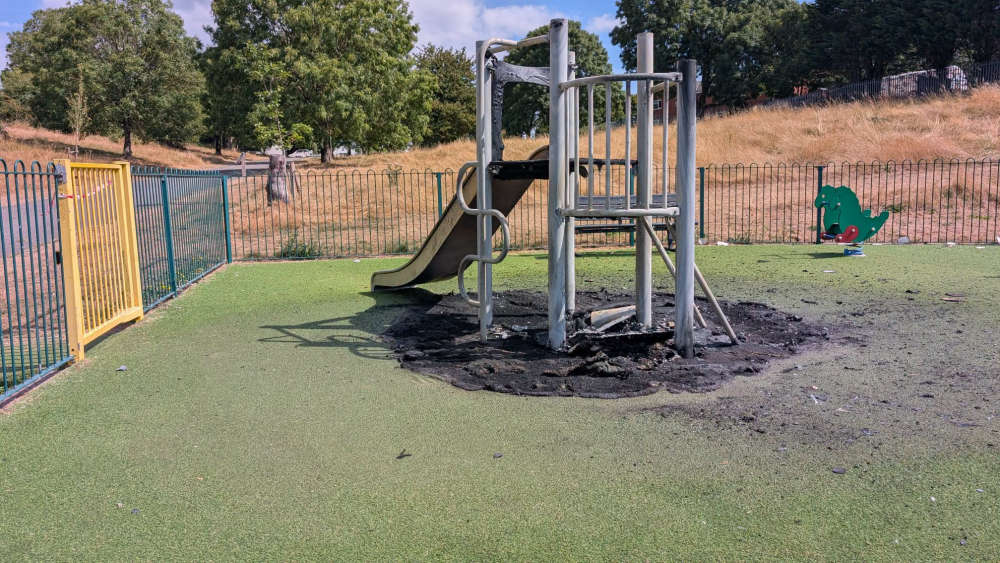 Playground in Barry forced to close after fire damages equipment
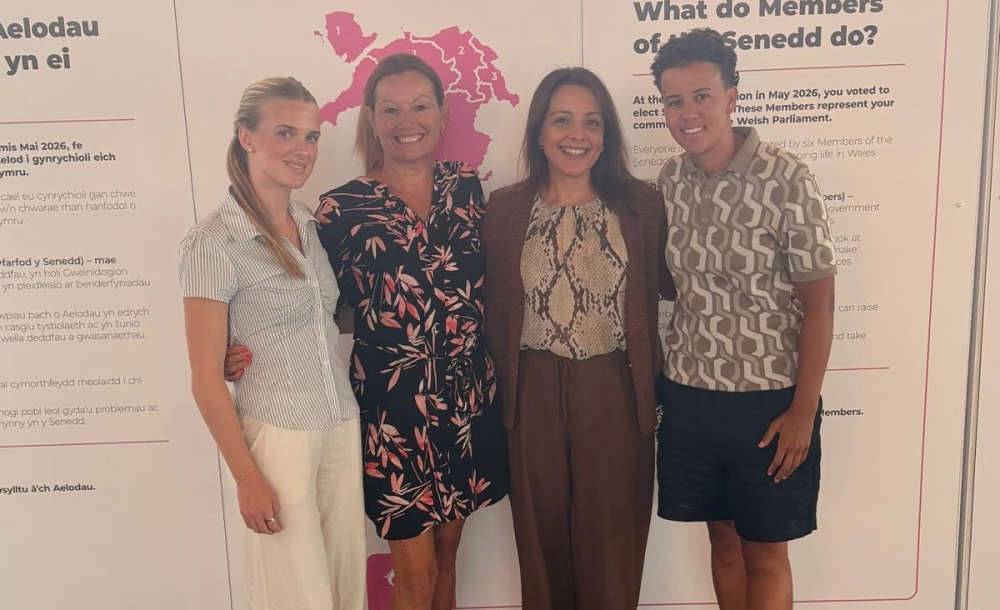 Campaigners Take Fight for Fairer Pathways in Welsh Women’s Football to Parliament
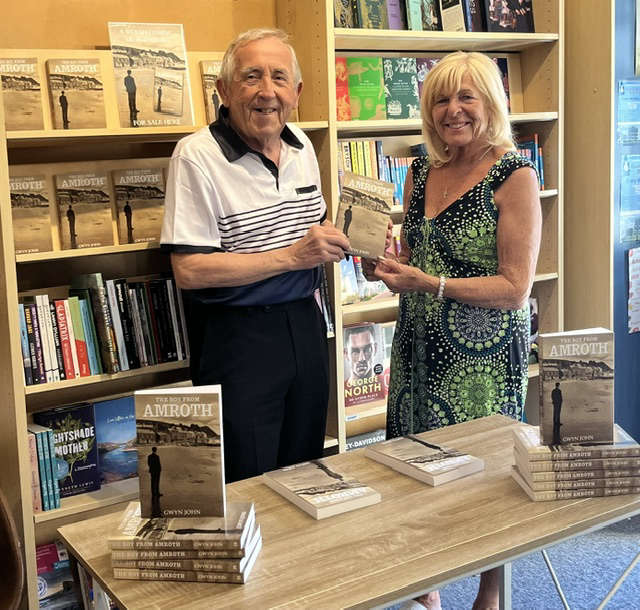 Vale Councillor Gwyn John Launches His First Novel at Llantwit Major Book Signing
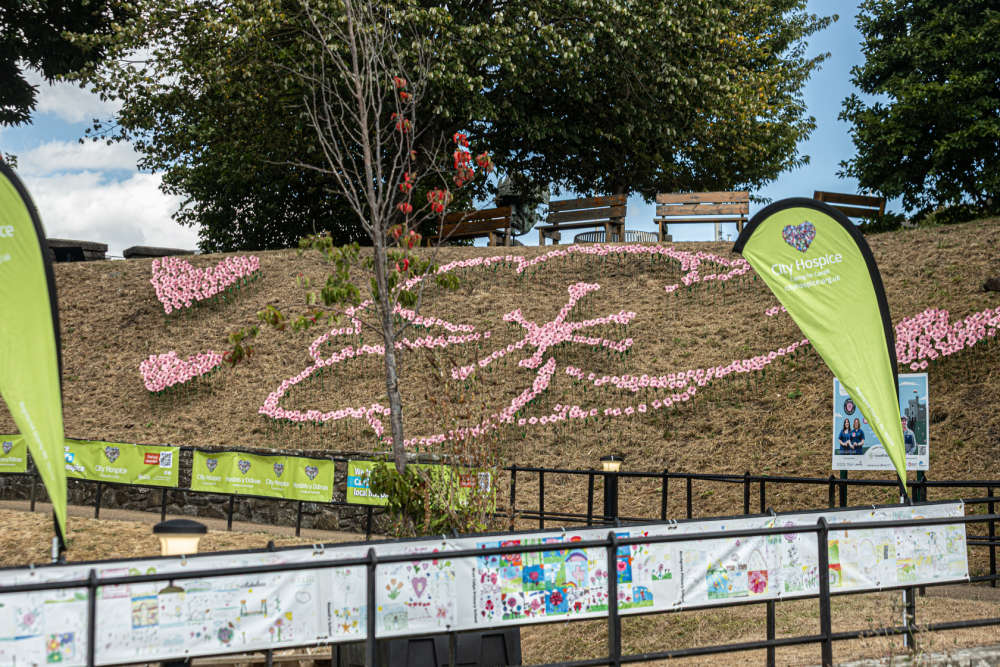 Pink poppy display commences with celebration of life
 Former Barry office block converted into new homes for people at risk of homelessness
 Welsh Government publishes independent report on Level 4 intervention at Cardiff and Vale UHB
 Three CoastSnap stations set to be installed along the Glamorgan Heritage Coast
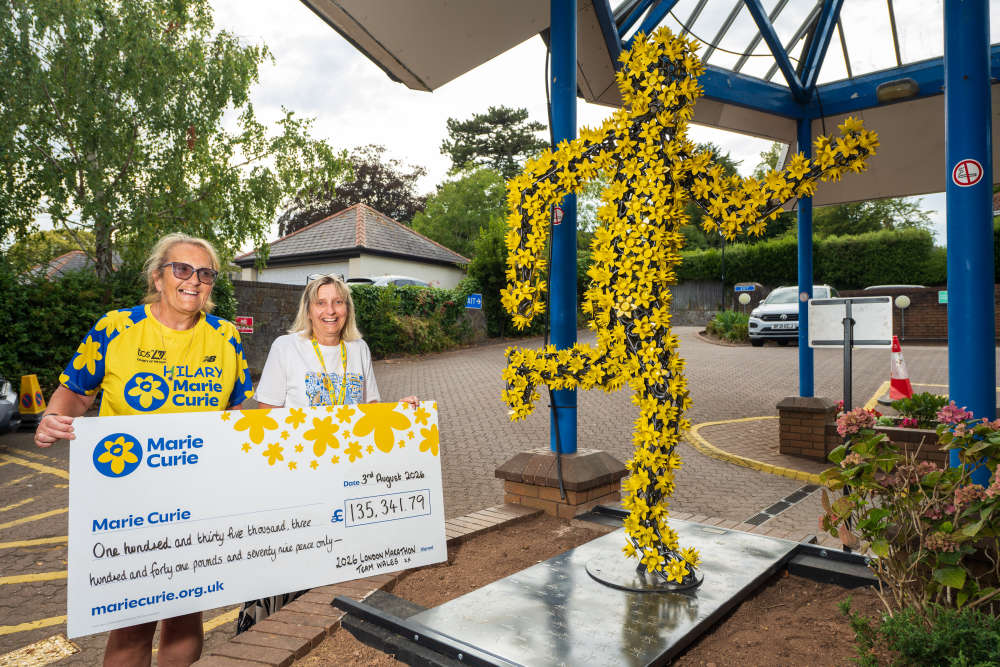 Daffodil Runner statue installed at Marie Curie Hospice in Penarth
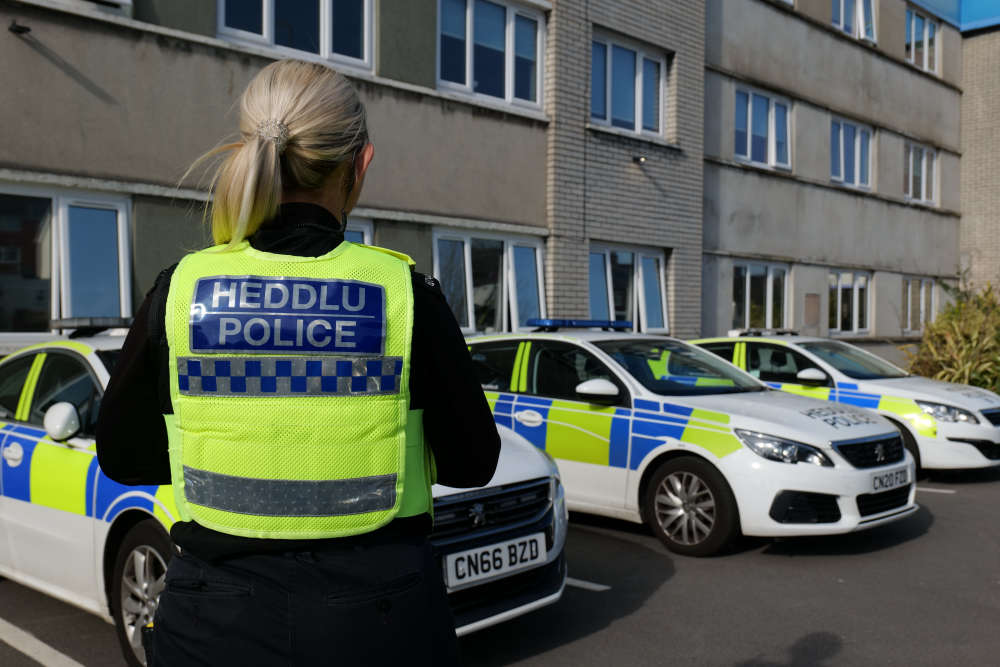 Woman Dies After Incident in Leckwith as Police Investigation Continues
 Vale entrepreneur wins national Innovate UK award for sustainable construction technology
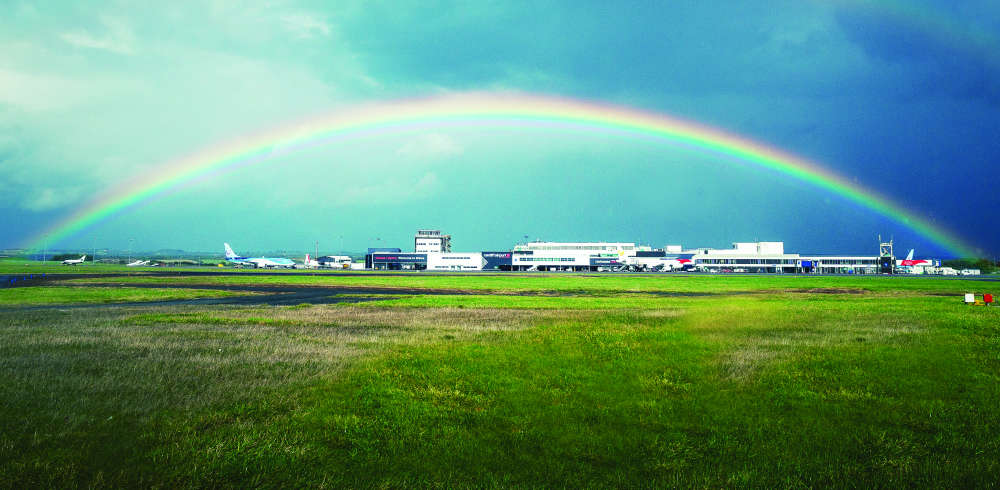 Cardiff Airport retains top accessibility rating as regulator reports record demand for assistance
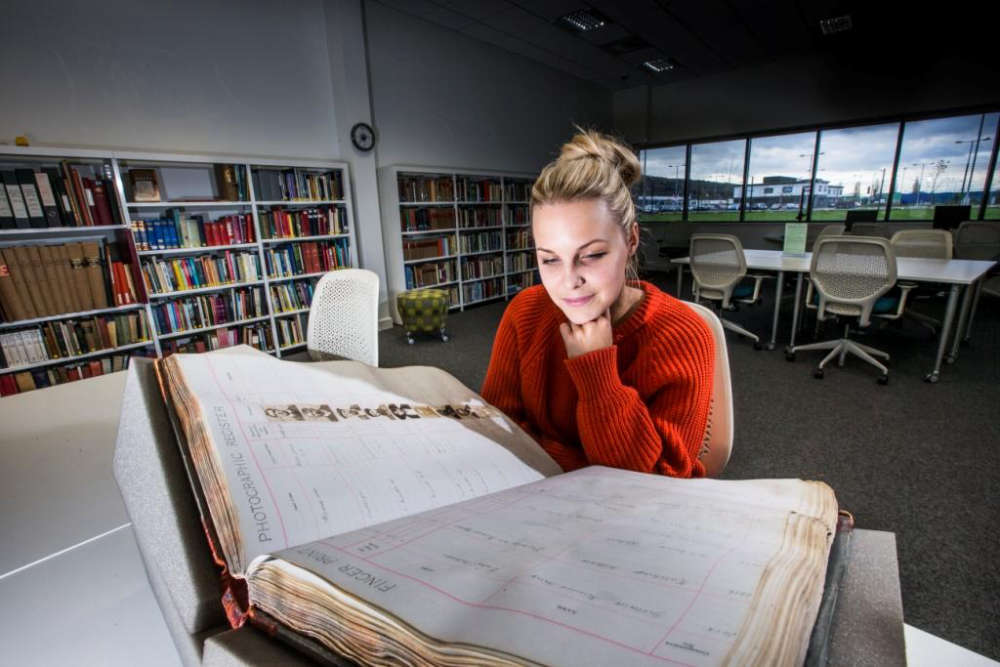 Open Doors event to showcase hidden world of Glamorgan Archives
 New details have emerged of a new tree-lined public square that will replace a traffic dominated junction
 Dyffryn Gardens’ Edwardian rose garden blooms again after decade-long restoration
 Barry’s Own Daniel White to Walk 190 Miles Back to Where His Round Table Story Began
 1,300 people attend Flying Start Family Fun Day
 Dispersal order put in place to tackle anti-social behaviour
 Interim Chief Executive Appointed at Cardiff and Vale University Health Board
 Cardiff Theatre Marks 50 Years of Service for Long‑Standing Staff Member