

Welsh councils have warned plugging a £436m budget gap for next year would require an average council tax increase of 22% or the loss of 14,000 jobs.
The Welsh Local Government Association (WLGA), which represents Wales' 22 councils, said local authorities face £560m of pressures in 2026/27 – £100m more than expected.
Councils warned a 2% settlement in the Welsh Government's "roll-over" draft budget would be "extremely damaging" for services and leave a £436m shortfall. Ministers have proposed an average 2.5% increase, with a funding floor to ensure no council receives less than 2.3%.
Bridging the £436m gap would require "unconscionably high" council tax rises of about 22% or the equivalent of around 14,000 job cuts across Wales, according to the WLGA.
The stark warning was echoed by Wales' outgoing auditor general who said some councils are "very close" to having to issue a formal section 114 (effective bankruptcy) notice.
'Right at the edge'
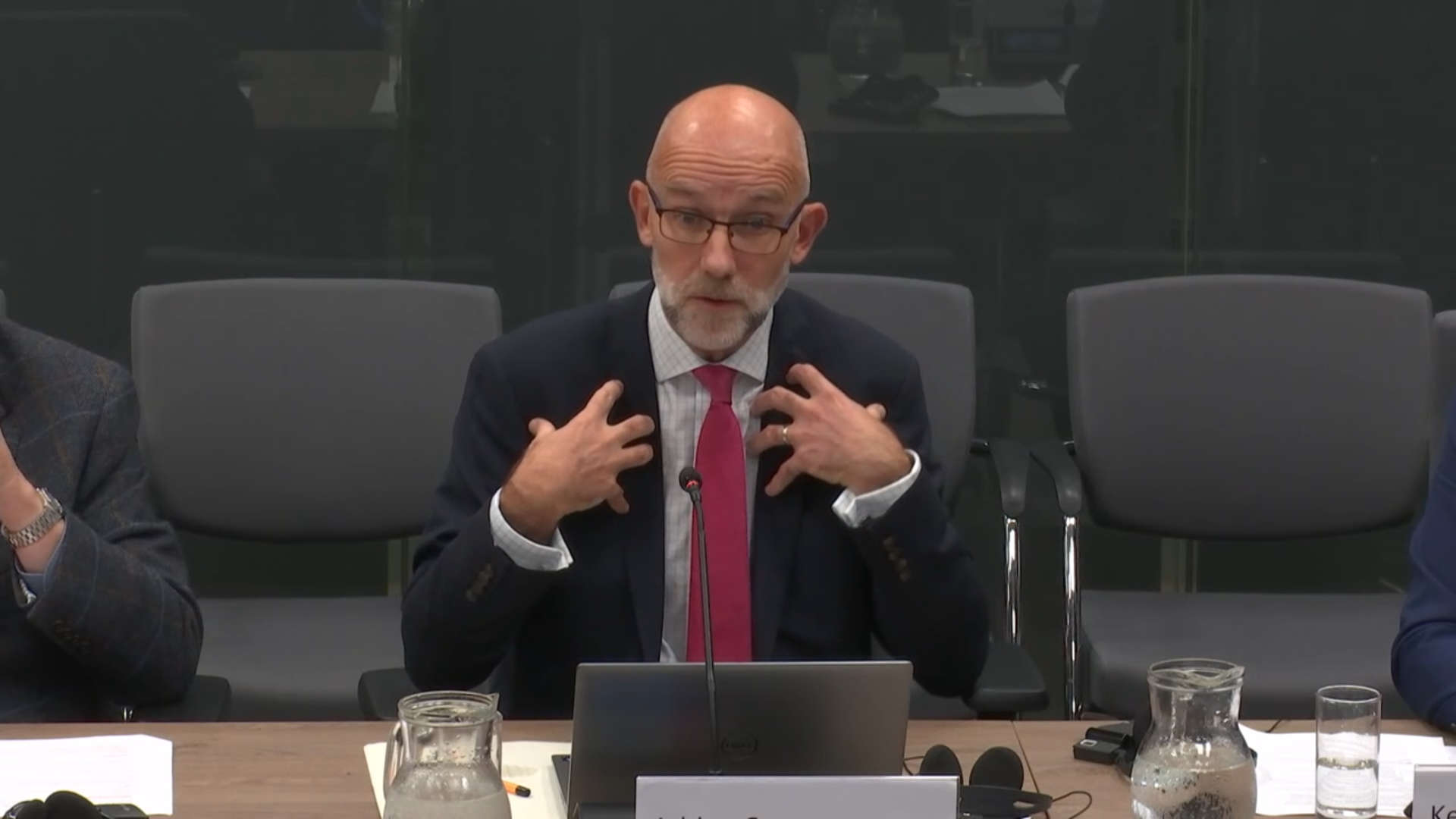
Adrian Crompton told the Senedd's finance committee that councils – which are forecasting a £184m overspend in 2025/26 – are struggling to balance their books.
He said: "There are undoubtedly a few authorities that are very close to having to issue a section 114. Our assessment at the time of publishing our report was that none were about to, so they all had sufficient grip on their in-year position, so it wasn't imminent."
"But some are right at the edge and they are all facing some very significant demand-led pressures in areas like children's services, additional learning needs, temporary accommodation, which are very hard to predict."
Mr Crompton, whose eight-year term as auditor general ends in July, added: "When you're right at the edge of financial sustainability, if you get hit with a couple of significant cases that you have to deliver against, that could be sufficient to tip authorities over the edge."
He warned their fragile financial state means councils would be the "most immediately and severely hit" sector if the Welsh Government's budget fails to pass.
'Slippery slope'
The financial pressures facing councils were detailed in the WLGA's written evidence on the draft budget which showed how demand-led services are spiralling.
For example, the net cost of homelessness and temporary accommodation has exploded nearly eight-fold in a decade – from £12.8m in 2016-17 to £100.8m budgeted for this year.
The WLGA also warned of "unsustainable" pressures on school finances, with children's care and education accounting for the majority of the forecasted £184m overspend.
One council said 33 primary and six secondary schools – nearly 70% of all schools in its area – were projecting a deficit budget.
Another reported its schools had "completely eroded a £15m surplus balance into a £2m deficit" and projected a £9m in-year overspend. Others warned of job losses, reserves running dry and class sizes rising above legal limits.
The financial strain is so severe councils are failing at their basic accounting duties, with many missing deadlines to file their accounts – a situation Mr Crompton described as a "slippery slope" for bodies "so close to financial sustainability".
'Unsustainable'
He argued spiralling demands are a symptom of a wider failure to shift spending to prevention. The auditor general said his recommendation for the Welsh Government to "embed prevention into the budget-setting process" had been rejected.
"It's disappointing that it's been rejected because it seems so fundamental," said the auditor general, who added: "I don't fully understand why."
Councils' evidence echoed this, stating while policy "increasingly references the importance of prevention, this is not often reflected" in funding.
The WLGA said this has forced councils to cut non-statutory services such as leisure, transport and community facilities.
Mr Crompton's warning about councils was part of a wider assessment that Wales' entire model of public service delivery is "unsustainable on its current trajectory".
Giving evidence last Wednesday, he told Senedd members demand is "outstripping" funding and critical areas have been "hollowed out" after two decades of tight budgets.
Mr Crompton warned this "unsustainable" model was not unique to local government, with all seven health boards in Wales breaching their statutory duty to break even over three years. The finance committee heard the NHS is forecasting a £191m deficit this year.
 Coastal Litter Pick Series Announced for Glamorgan Heritage Coast
 Glamorgan Archives invites visitors behind the scenes to discover centuries of history
 £200,000 Secured for Next Phase of Barry RFC Sports & Community Hub Redevelopment
 Walk‑In Hepatitis A Vaccination Clinics Open in Barry as Health Board Expands Outbreak Response
 Over 27.4% of Vale GCSE students acheive A or A* Grade
 Rhoose Community Library Marks Ten Years as Volunteer‑Run Community Hub
 Calls to build a new Lido re-surface with resident saying the town "is in dire need of"
 Barry Man’s 190‑Mile Charity Walk Reaches Day Two as He Heads Home to the Town That Changed His Life
 Hepatitis A Vaccination Programme Launched for Young Children in Barry Amid Ongoing Local Cases
 Barry Councillor Urges Local Chapels to Help Update Wales‑Wide Heritage Project
 Dispersal Order issued at Cosmeston as council warns of ‘extremely dangerous’ behaviour
 Three Rescues in 24 Hours as RNLI Barry Dock Urges Caution Around Sully Island
 Police Investigate ATM Theft in Cowbridge After Pensioner Targeted
 Break‑In at St Athan Community Centre Forces Volunteers to Divert Funds from Upcoming Events
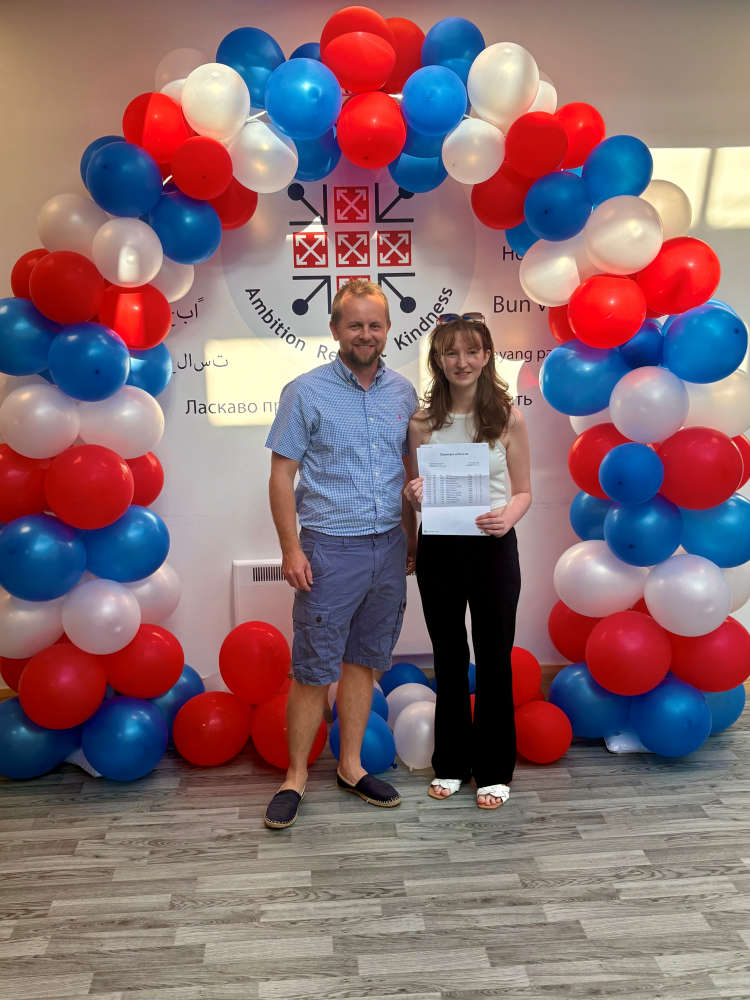 Vale Students Celebrate Strong A and AS Level Results
 Llantwit Major School Celebrates Record-Breaking A Level Success
 Senedd recess: What have the Welsh political parties been up to so far?
 Vueling withdraws winter flights to Aicante this winter
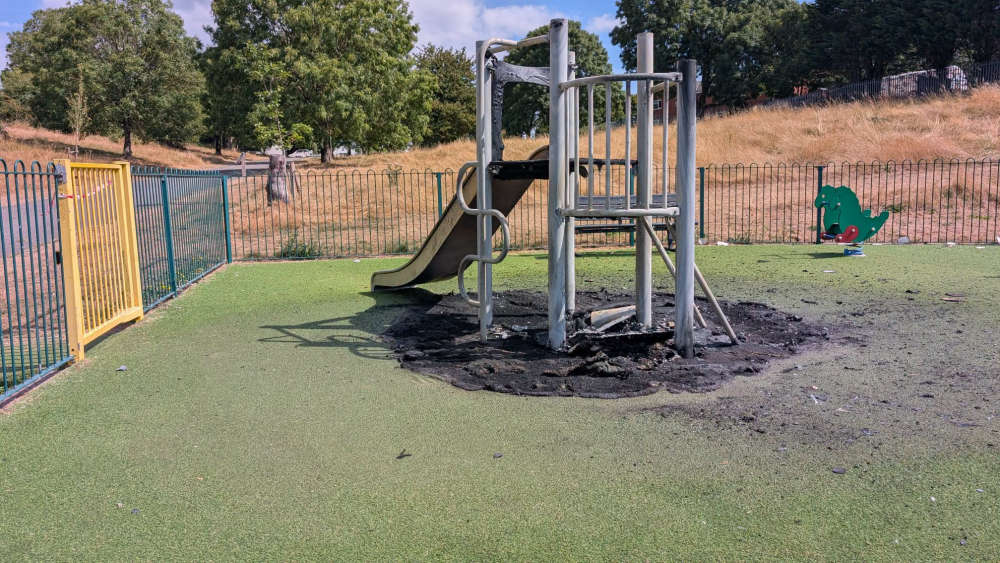 Playground in Barry forced to close after fire damages equipment
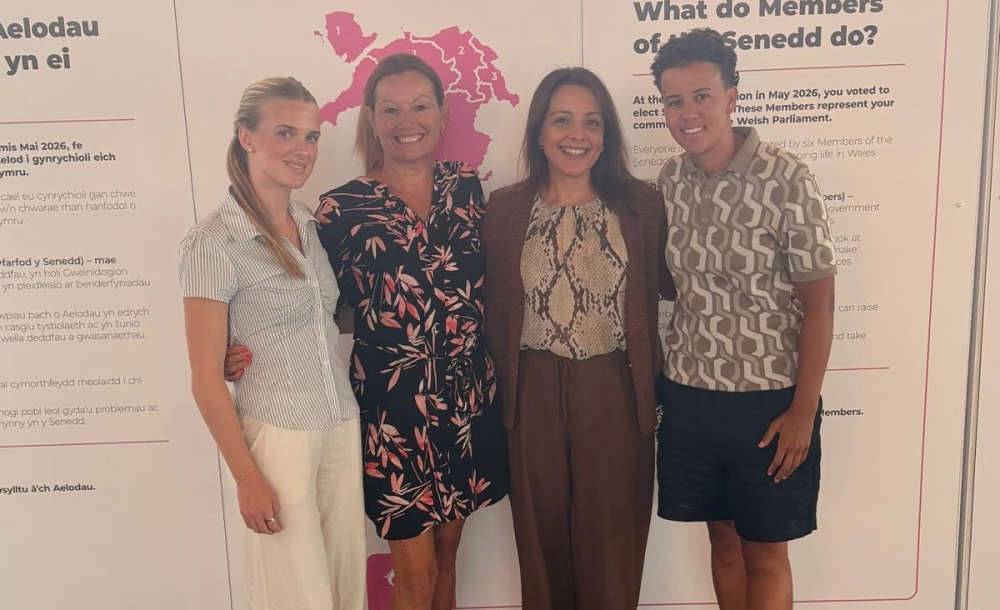 Campaigners Take Fight for Fairer Pathways in Welsh Women’s Football to Parliament