

A key ambition for 80% of cancer patients to start treatment within 62 days could be dropped because services have little chance of hitting the target, a committee heard.
Eluned Morgan, Wales' first minister, announced plans to raise the performance target from 75% to 80% by 2026 while she was health secretary in 2022.
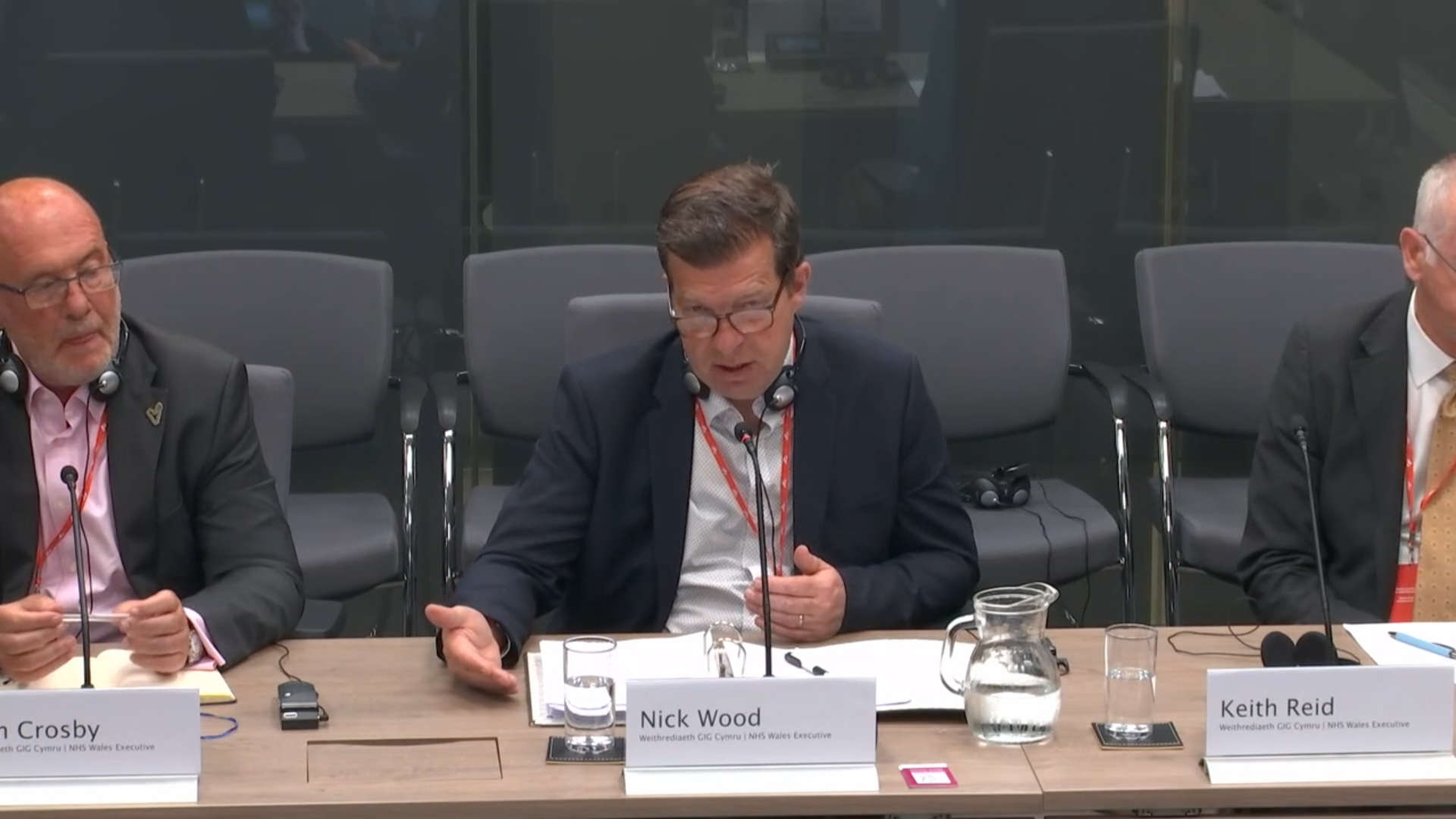
But, appearing before the Senedd's public accounts committee on Thursday, NHS Wales deputy chief executive Nick Wood suggested the 80% target could be scrapped.
"I think we need to reflect on experience and what's happened in the years since," he said.
Mr Wood pointed to a report on NHS performance published on Monday following a review by an advisory group which was appointed by the Welsh Government.
He said: "I think some of their recommendations are helpful in terms of stating at this point that it's probably ill-advised to move the target to 80% when there isn't really a realistic proposition of us getting to 80% over the next 12 months."
'Stepping away'
The so-called single cancer pathway – which was introduced in 2019, replacing the urgent and non-urgent pathways – runs from first suspicion of cancer to the start of treatment.
None of Wales' seven health boards have hit the 75% target since August 2020 and latest statistics for February showed 60% started treatment within 62 days.
Mr Wood added: "A continued focus on getting to 70% then 75% would be a more advisable approach. We've not made a formal decision in terms of stepping away from that 80%...."
"I think it would be fair to say that we need to review that position and focus on continuous improvement from the current position of 60%... before we consider going further."
The 80% target was described by the report as an example of ministers "reaching for new policies or initiatives in preference to focusing on delivery of existing plans".
'Clearly unacceptable'
Baroness Morgan said at the time: "By 2026, 80% of people who receive a cancer diagnosis should start first definitive treatment within 62 days from the first point when cancer was suspected. We will make sure that those with the greatest need are seen first."
The Conservatives described the 80% aim as not ambitious enough while Plaid Cymru pointed out services were failing to hit the 75% target even before the pandemic.
Ministers accepted all the report's recommendations, at least "in part", in its response which set out a focus on skin, breast, lower gastrointestinal, gynaecological and urological cancers.
Mark Isherwood, who chairs the public accounts committee, pressed witnesses on the failure to meet the existing 75% target during Thursday's meeting.
Mr Wood described the performance as clearly unacceptable, adding: "The target is very challenging but it doesn't necessarily reflect the experience of a huge number of people who are on the cancer pathway. It only reflects those who go through and have treatment."
'Lack of leadership'
Mr Wood told the committee more than 13,000 people in Wales were told they did not have cancer in February. "They would have all been on the cancer pathway at some point but are not part of the performance element of 62 days," he said.
Pointing to consistent increases in referrals, he added: "It's unacceptable that we're only on 60% but there is a lot more below the headline figure which I think is important."
He welcomed an Audit Wales report which found a lack of national leadership, saying: "We accept the recommendations and would recognise the issues...described within the report."
Asked whether the existing target is realistic considering rising demand, Mr Wood stressed the importance of setting an ambitious aim supported by clinical evidence.
Tom Crosby, the national cancer clinical director who was involved in establishing the single cancer pathway in 2019, described the policy as the right approach.
'Unwarranted variation'
The clinical oncologist said: "We must not normalise long waiting times for patients."
Raising concerns about "unwarranted variation" of services across Wales, Prof Crosby stressed that performance against the target is only one measure of the quality of care.
Labour's Mike Hedges asked about work to drive improvement in the number of patients being diagnosed early, saying: "Late diagnosis is causing serious problems."
"We know [there are] some cancers where nearly everybody is diagnosed at stage three and stage four – and they have very, very poor survival rates."
Keith Reid, deputy chief medical officer in the Welsh Government, pointed to the example of the roll-out of bowel cancer screening and proposals for a targeted lung cancer programme.
 Post Office Seeks New Operator in Dinas Powys as Village Faces Loss of Its Last Branch
 Gardening team praised after helping police clear fallen tree near St Brides Major
 Specsavers calls on children in Barry to design Wales Deaf Rugby World Cup shirts
 Whitmore High Named One of UK’s Best Workplaces for Development
 Steel Signing Marks Major Milestone in St Richard Gwyn School Redevelopment
 Two Rescues in Record Heat as Volunteer Teams Respond to Afternoon Emergencies
 Police find evidence of a large-scale cannabis cultivation at Riverside Place property fire
 Network Rail confirm closure of Brookside level crossing in Dinas Powys
 Police given powers to ask people to leave Comeston Lakes Country Park
 Planned children’s role play centre could be given the go-ahead by Vale Council
 Marie Curie Garden Fayre deemed huge success
 Council seeks views on Future of Colcot Sports Centre and Buttrills Playing Fields
 First Minister quizzed on further devolution, budget decisions, and misinformation in FMQs
 Extreme heat leads to changes to services and closures
 Severe Heat Warning Set to Disrupt Rail Travel Across South Wales This Week
 Communities asked to support older people across Wales during severe heat warning
 Caribbean Community Wales Brings Wales‑Wide Launch to Barry This Weekend
 Community Award winner calls for sanitary bins in men’s toilets after living with prostate‑cancer‑related incontinence
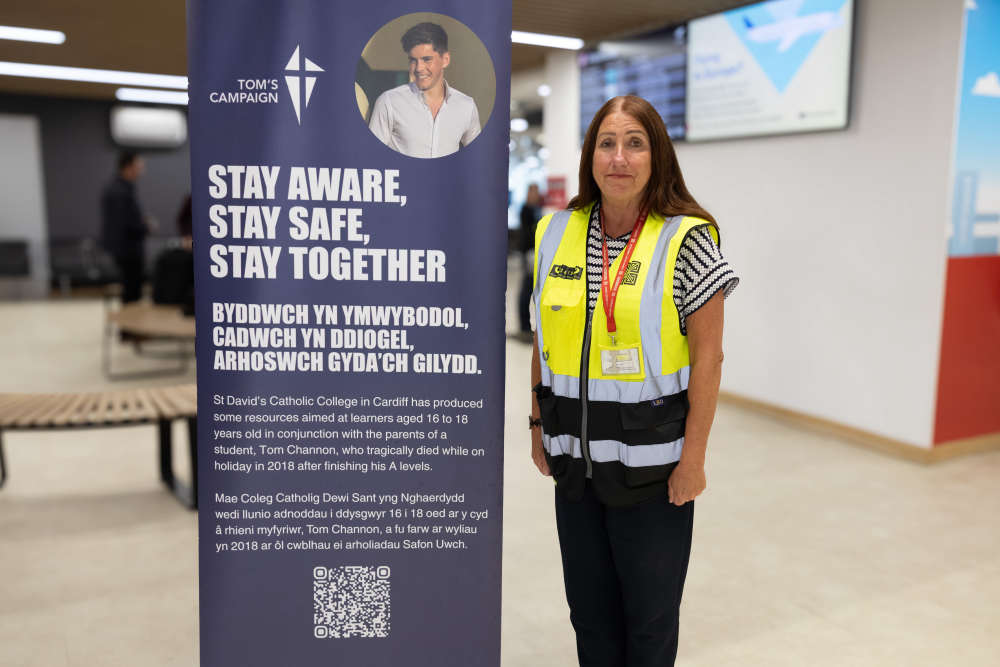 Cardiff Airport Backs Holiday Safety Campaign Honouring Rhoose Teenager Tom Channon